


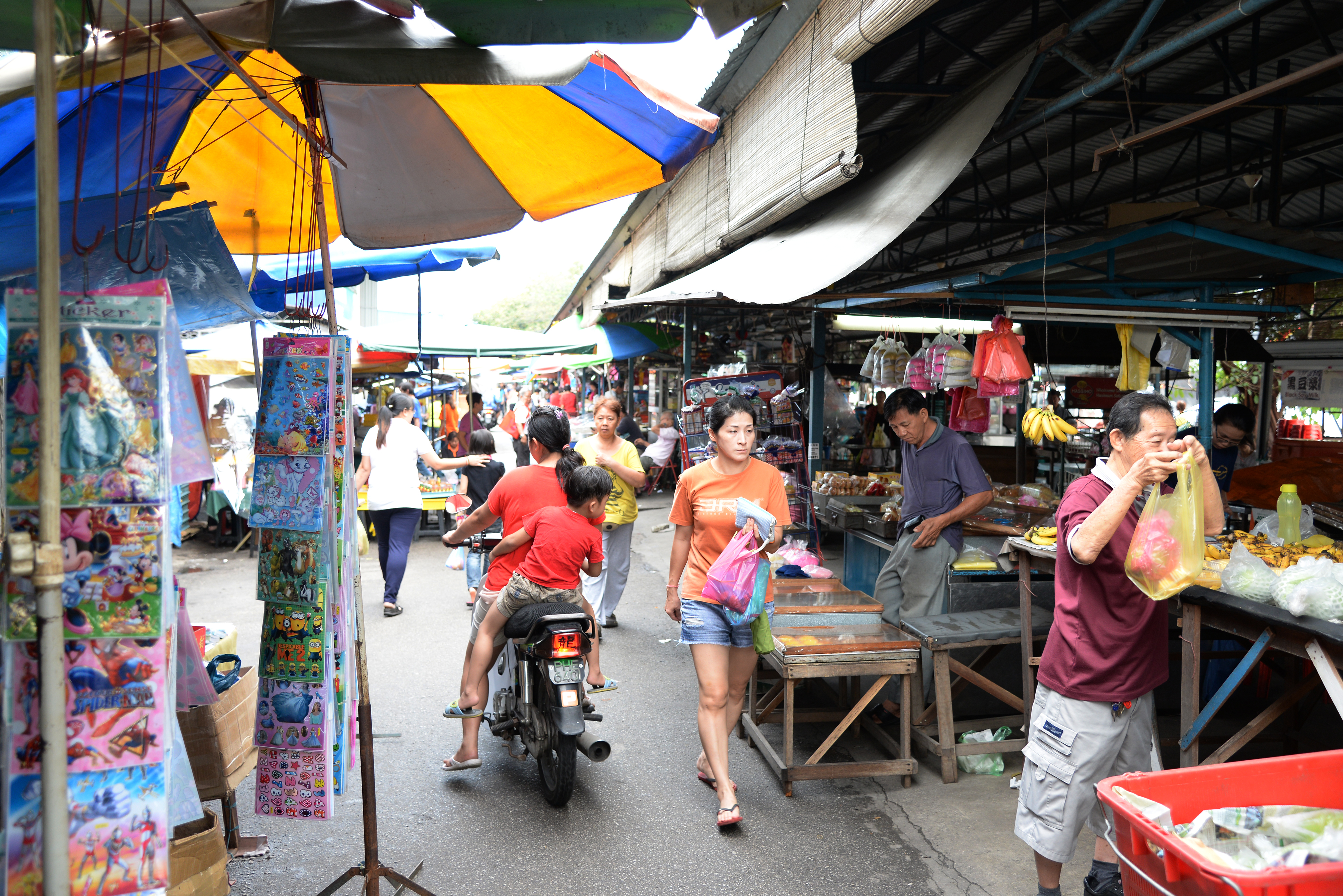
SEBERANG PERAI, Dec 29 — It started as a few stalls along the narrow lanes of a residential area off Jalan Raja Uda but almost 50 years later, Apollo Market has become a landmark.
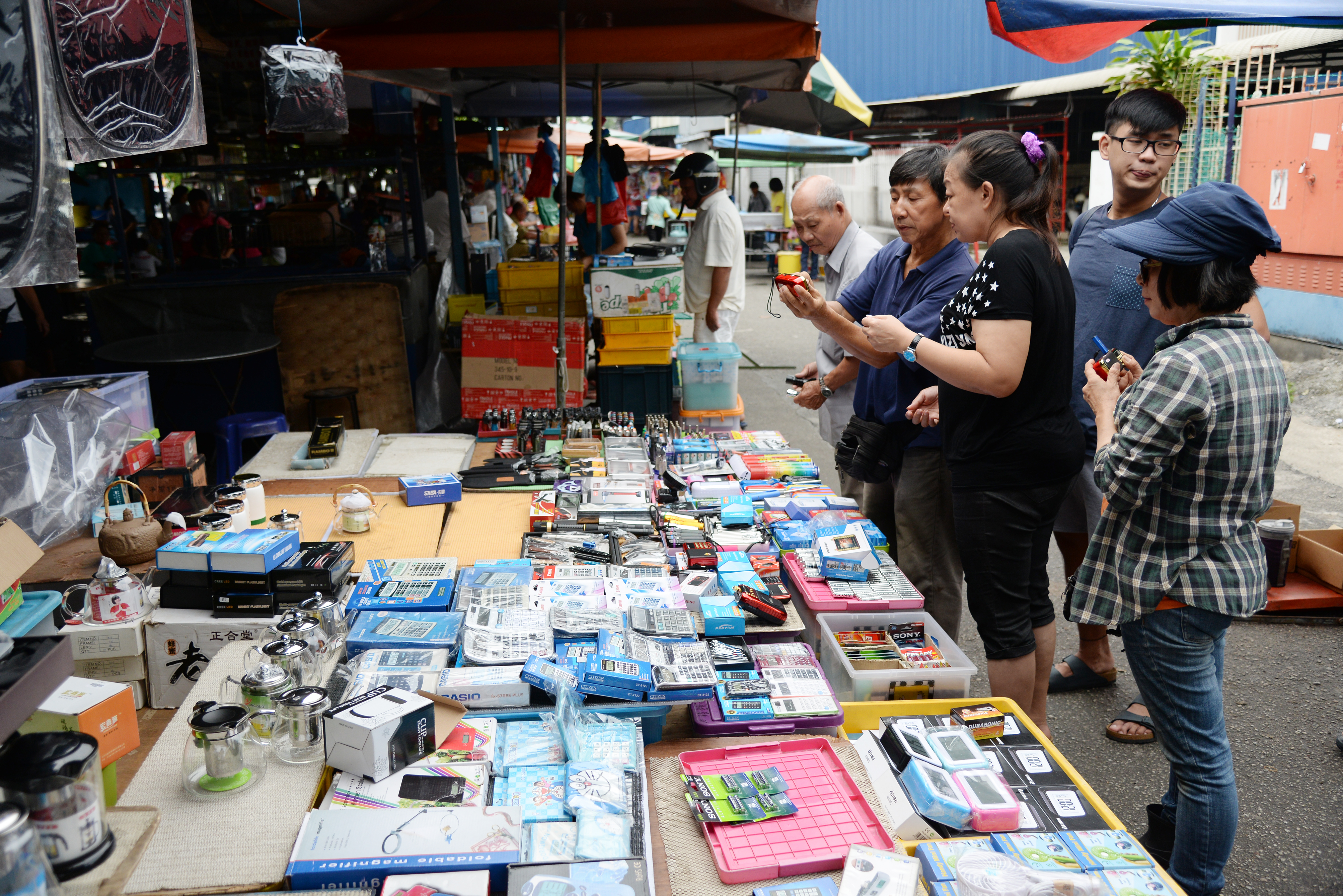
The market boasts over 400 stalls today and is known throughout Butterworth as one of the largest on the mainland; you can find everything from vegetables to sundry items all in one location.
Not surprisingly, it has become a key business hub in Butterworth and continues to be one of the main economic drivers for that area.
The market's organic growth is in tandem with the rapid development that the Raja Uda area has experienced over the years since the first residential projects were launched here back in the 1950s.
While development is mostly concentrated on the island, Butterworth is also growing with many businesses spilling over to the mainland.
In an effort to relieve the pressure on the island, Think City started an urban regeneration project for Butterworth in Seberang Perai encompassing the old town up to the Jalan Raja Uda border.
One of the objectives of this project is to spotlight places of interest in Butterworth and Apollo Market is one place that deserves to be highlighted.
Malay Mail Online spoke to some of the key people behind this market.
The early days
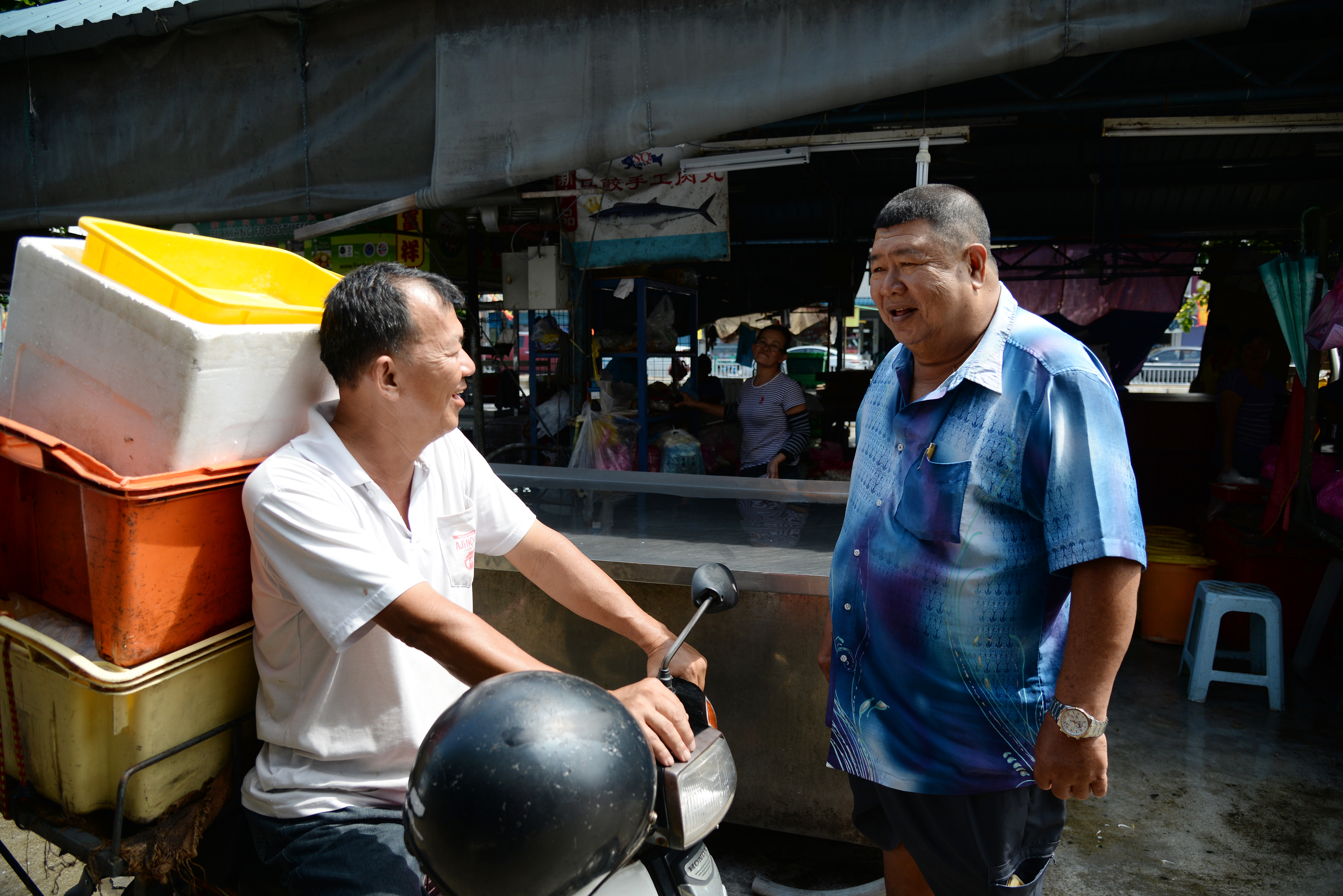
"At that time, in the 1960s, the number of residents in this area was growing but there was no market here and people had to travel to Jalan Jeti Lama to buy vegetables and fish... so some hawkers started setting up small stalls to sell vegetables," the Apollo Hawkers Association chairman Ong Kim Seng said.
From a few stalls, it grew to about 37, all set up haphazardly along the narrow residential lanes and before long, more hawkers turned up and the number of stalls grew to 112 by the 1970s.
"It is simple economics, if the few small stalls were getting good business from local residents, others decided to set up stalls here too… there was demand from local residents as they find it convenient to do their marketing here," Ong said.
At that time, almost all the stalls were illegal except for a few hawkers who had licences for their three-wheeled carts.
The number of stalls continued to grow as more hawkers saw the potential here especially with more developments coming up along the length of the main road and the arterial roads off it.
The big move
By 1978, the municipal council decided to do something about the growing market which was causing congestion in the residential area.
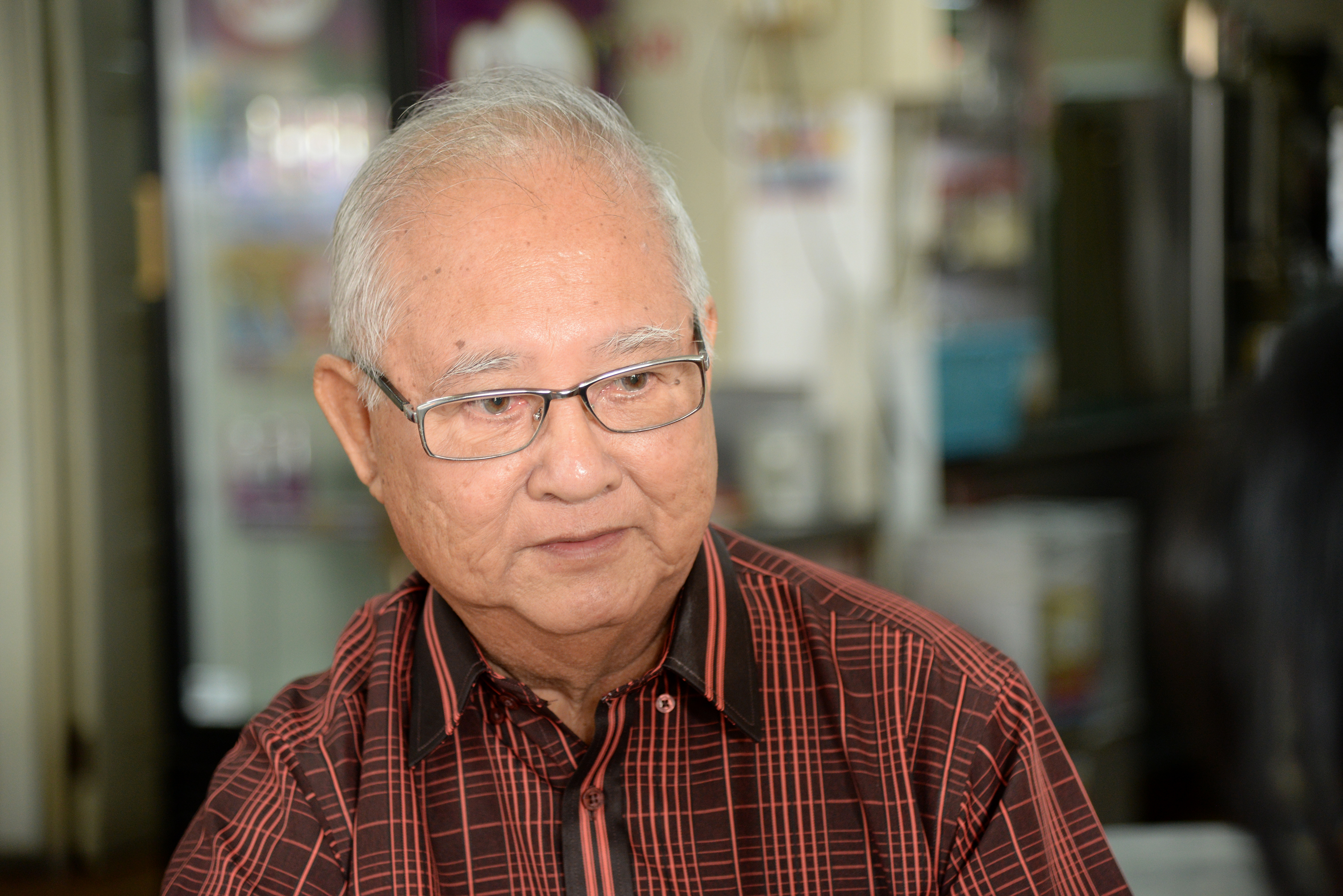
The then municipal councillor Kho Hai Ming, who was the committee chairman for health and licensing at that time, started to plan a way to organise the market.
"We did a survey and recorded about 112 stalls, most of which were illegal as they had merely set up stall every morning without applying for a licence," Kho said.
He said the hawkers were also getting summoned by the police at that time for blocking the road.
"They kept getting chased out by the authorities so we had to do something to help them and I came up with a plan to move them to the main road where they won't block the entrance to the housing areas," Kho said.
Kho got various government agencies and bodies involved to set up a permanent site for the market along the main road.
"We built roofs so that it's covered and then had the authorities install water and electricity for the stalls," he said.
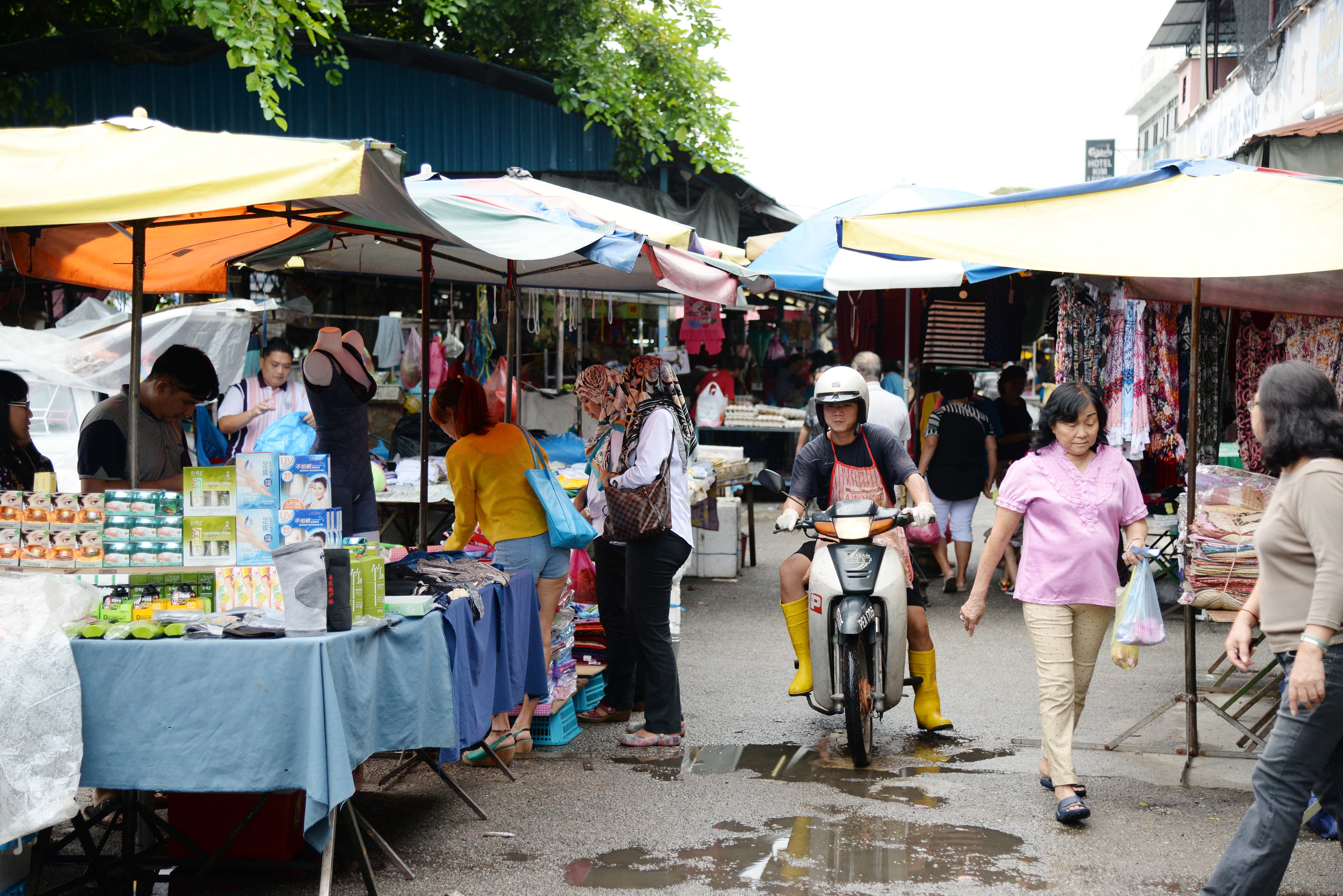
The stalls were arranged by sections — wet, dry and cooked food — and the hawkers were allocated lots in the covered area that stretched about 400 metres long.
"All stalls were told to apply for licences before they moved into the new site which is just a few metres from the lanes they were previously selling in," he said.
After the stalls moved into the proper market site, the congestion along the residential area was resolved.
What it is today
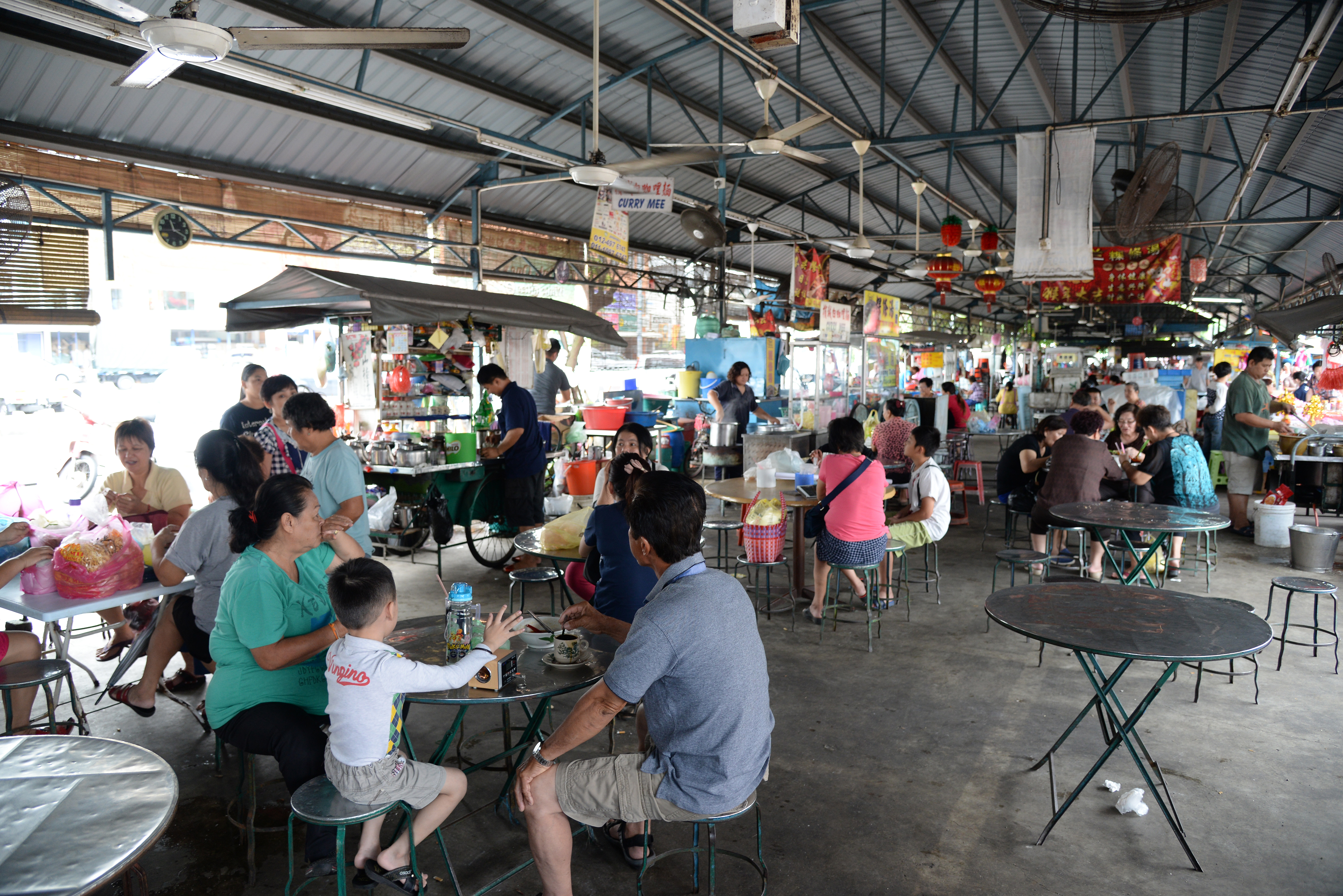
Today, almost 40 years after they shifted to the permanent site, the market continues to grow.
"We are getting more illegal stalls setting up here and during Chinese New Year, we can see close to 500 stalls all crammed into this space and along the access road too," Ong said.
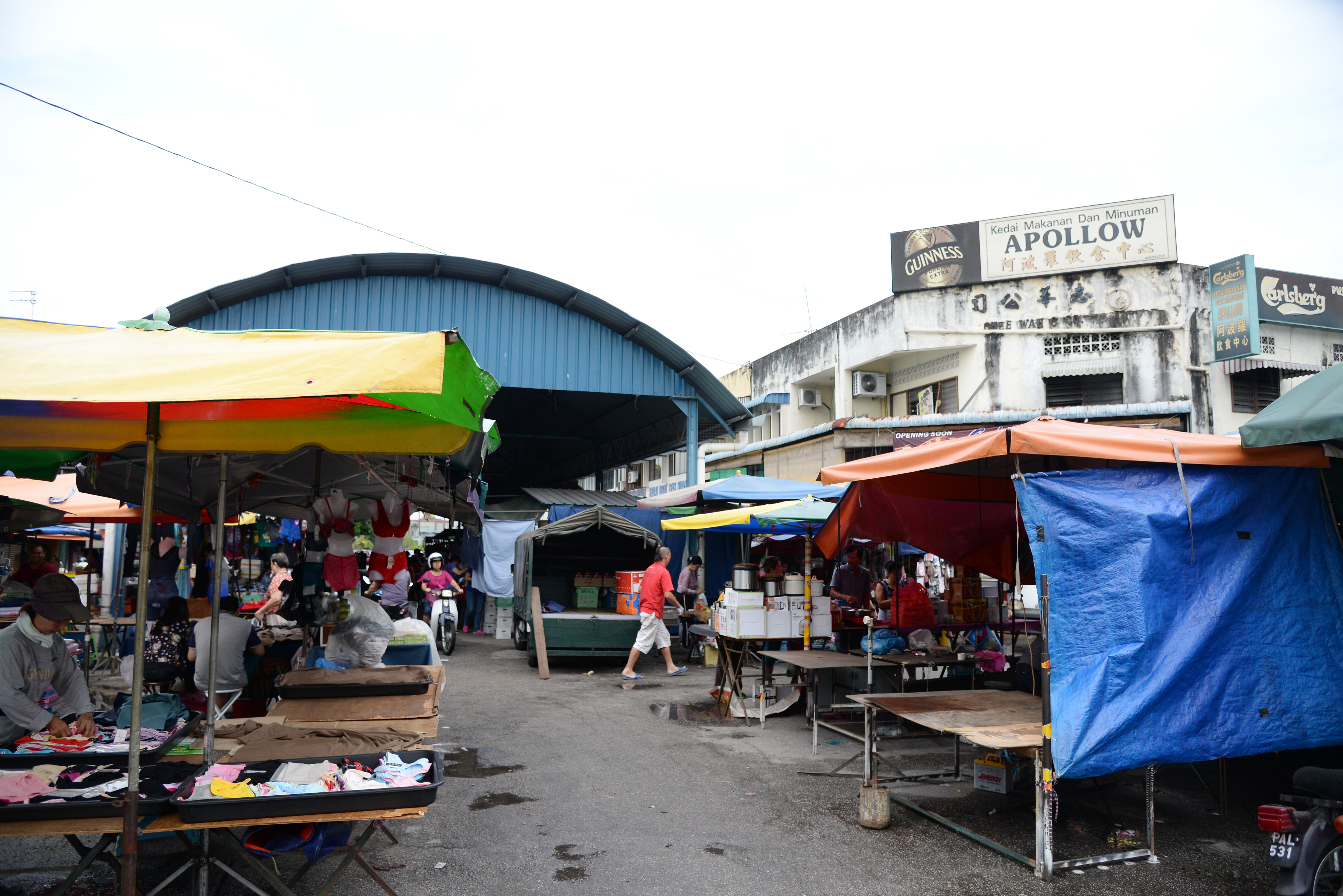
Though the market is located on Jalan Raja Uda, it does not have an official name but is known as Apollo Market by the locals.
There used to be a bar called Apollo along the same row and residents took to calling the market Apollo, using the bar as a landmark.
According to Sungai Puyu assemblyman Phee Boon Poh, the bar has since ceased operations but the name Apollo has somehow stuck.
Due to the continuous growth in the number of stalls in the market, the site has seen some expansion over the years.
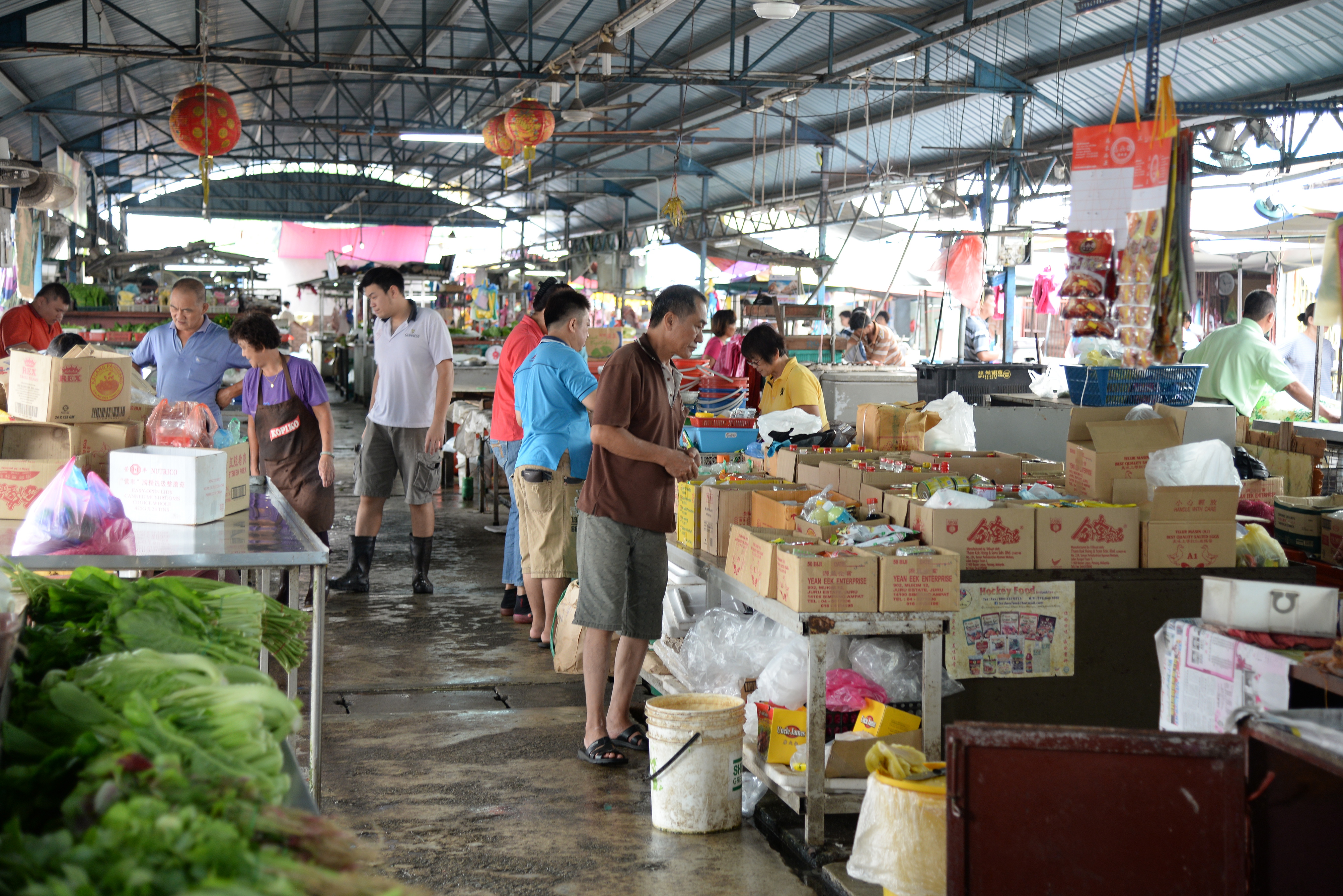
"They recently expanded to the lanes and added more stalls to make space as the market is now so crammed you can barely walk through especially during the weekends," Ong said.
Though the prices of goods here are far from cheap compared to that of other wet markets, Ong believes that the popularity of the market is due to convenience.
"This is like a one-stop centre for everything from food to clothes to fish to vegetables and toiletries so it is easy for people to come here and buy everything in one place," he said.
"The main road is now busier compared to the old days and cars are not allowed to park along the market but there are no other places to park so it can't be avoided," he said.
For now, market-goers will have to search for parking around residential areas near the market and across the road from it.
From the looks of things, they don’t seem to mind one bit.
Apollo Market, Jalan Raja Uda
Time: 6am-12pm
*Think City is currently undertaking urban regeneration programmes for Butterworth, George Town, Kuala Lumpur and Johor. Find out more about Think City and its projects at thinkcity.com.my.


