


KUALA LUMPUR, April 22 — Given the softer global economy, Malaysia’s gross domestic product (GDP) growth for the first quarter of 2016 (Q1) is projected to hover around four per cent, said an economist.
Dean of Business School at Malaysia University of Science and Technology, Dr Yeah Kim Leng said the softer world economy as well as volatility in commodity prices and financial markets, would affect the nation’s GDP growth.
Malaysia’s economy grew 5.6 per cent in Q1 last year.
“The yo-yo condition in global oil prices does not majorly give pressure to the country’s GDP growth as our economy is not much dependent on oil and gas sector but is well supported by the manufacturing and services sectors.
“And given the consumer spending index which saw a pick up since the fourth quarter of last year until February this year, we can sustain and able to manage a reasonable growth of four per cent in Q1, and of course between four per cent and 4.5 per cent throughout the year as estimated, despite the challenging environment,” he said.
However, this issue of stabilisation needed to be addressed well for the economy to continue to be domestically driven, he told Bernama after the Digi Malaysia Small and Medium Enterprise Economics Conference 2016 here, yesterday.
“Short stabilisation issues include weakening domestic macroeconomic fundamentals like continuing net portfolio outflows, ringgit depreciation, narrowing net current account surplus of the balance of payment and tightening of domestic liquidity conditions,” he said.
“As long as the external environment do not deteriorate further and global economic stabilisation shows a slight pick up especially in the US economic growth, Malaysia’s GDP should be able to sustain at a positive level going forward,” he added.
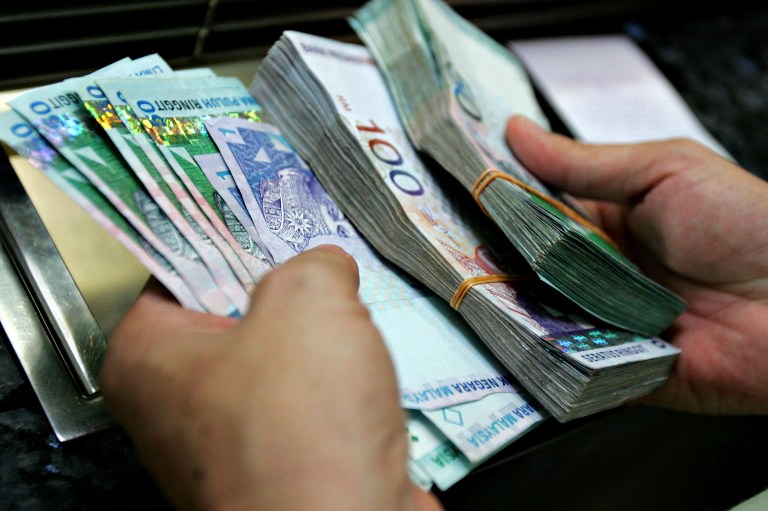
On the current ringgit position, Yeah expected the local currency to perform at the current level this year, trading between 3.90 and 4.00 against the US dollar.
He said the local note started the downward trend last year as market players overreacted to issues such as the plunge in global oil prices, 1Malaysia Development Bhd and the Goods and Services Tax implementation.
“The stability of the local note is one of the indicators of consumer confidence in the economy... and with the recent rebound in momentum for the ringgit, it has lent consumers a lot more confidence in the economy which would then help them to spend more.
“The rebound in the ringgit had also eased Bank Negara’s pressure to move interest rate higher,” he said. — Bernama


