


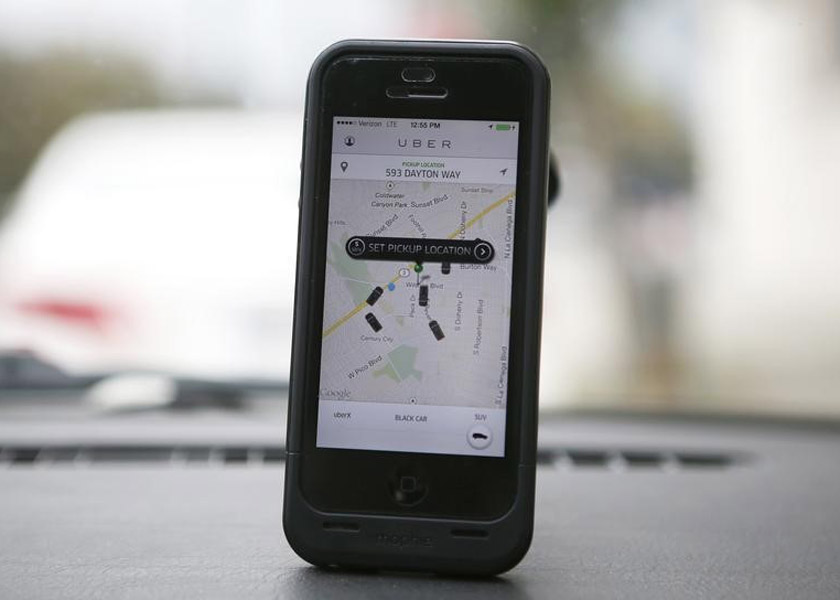
PETALING JAYA, Jan 6 — Ride-sharing service provider Uber is considering introducing mental health screening for its Malaysian drivers.
This move was welcomed but it was pointed out that Uber should get itself regulated and legalised by the Land Public Transport Commission (SPAD) first.
Like its Mexican counterpart, Uber in Malaysia may introduce this test for would-be drivers in addition to its security screening.
Public Transport Users Association president Ajit Johl said it was a positive move and he encouraged not only Uber drivers but all drivers of public transportation including pilots and ship captains to undergo such tests.
“All taxi and ride-sharing app providers must be regulated and be accountable for the conduct of their drivers. They can’t just offer an app and walk out of the equation when there are complaints and issues,” he said.
“Jobs like these can take a toll on the drtivers and they need to prove their ability to handle stress as driving all day in traffic conditions can cause mental strain, possibly leading to unwanted incidents.”
Federation of Malaysian Consumers Association (Fomca) secretary-general Datuk Paul Selvaraj said the bigger issue was Uber getting itself authorised by SPAD.
“It’s good they are taking the initiative to make the service safer but until there is proper legal backing, there is no guarantee of the consumers’ safety,” he said.
He also said there should at least be regular monitoring of all public transportation services.
Malay Mail spoke to frequent users of Uber and all welcomed the move.
Architect Reening Lau, 23, said it would help in dealing with safety issues and ensuring the drivers were accountable for their actions.
“It will help pinpoint any unusual behavioural patterns that may be hazardous such as reckless driving as well as manners and etiquette,” he said.
“The current standard of our public transportation is laughable and infuriating. I’m glad Uber is actually disturbing their business and waking them up.”
Lau said while he had some minor upsetting experiences with Uber drivers, the smooth complaint and compensation process with its headquarters made up for it.
Jacintha Tagal, 27, who is with an education institution, said the mental health screening would make the service even more appealing.
“My experiences with Uber have all been good and the current safety features such as rating drivers and providing feedback are quite useful,” she said.
“Depending on how well the screening is done, this could add credibility and build trust with Uber’s customers.”
Student Isabel Ngui said the proposed screening would help to convince those who could still be wary of using Uber’s services.
“If taxis practised this system from the start, the dissatisfaction that we see today wouldn’t be happening,” she said.
Editorial assistant Mebang Bato, 23, said it would make her more confident of using Uber.
“I’ve never had any bad experiences with Uber but I can’t say the same about other taxis,” she said.
“It would be good if this was enforced for other taxi drivers as well as they don’t use their meters most of the time and if you demand it, they become hostile.
“When this happens, I’m afraid to ride with them as they may let their anger cloud their judgment.”


