













NEW YORK, Nov 7 — Hostels, budget havens of the post-college European travel circuit, traditionally offer bare-bones bunks in communal dormitories. Now for those whose tastes have graduated beyond the backpacking years but whose finances have not, a new breed of hybrid hostel sprouting up on this side of the Atlantic bundles better design, lively bars and restaurants and even some private rooms, all still nicely priced.
“The hostel industry is trying to refashion itself to appeal to a wider range of travellers,” said Douglas Quinby, the vice president of Phocuswright, a travel industry research firm. “It’s almost moving to a boutique and independent lodging space by offering a distinctive experience that is still within reach of price-sensitive travellers.”
Most of those travellers are millennials — 70 per cent globally, according to Phocuswright. This travel-loving generation is fuelling the expansion of hostels, bargain hotel brands like Tru by Hilton and shared accommodations like Airbnb.
But unlike whole home or apartment rentals, the new hostels make social interaction central to the stay, particularly through food and drink but also concerts, art exhibits and shared work spaces.
“Legacy hotels are trying to become more local, social and personal, and Airbnb is starting to become more like hotels, with standards and housekeeping support, and making owners more professional,” said Chekitan Dev, a marketing professor at the Cornell University School of Hotel Administration. “This is the third way, somewhere between a traditional, classic, bland, boxy and boring legacy hotel and this wild, Wild West of the Airbnb world.”
Hostels are much more popular in Europe and Asia, which account for two-thirds of global business, according to Phocuswright. Hostelling International USA, a non-profit membership organisation representing over 50 hostels here, primarily caters to foreign travellers, who comprise 65 per cent of overnight stays.
The newer breed of US hostels — the stylish few found in major cities, as represented by the following — aims at a broader demographic of travellers who share at least one thing: thrift.
Freehand
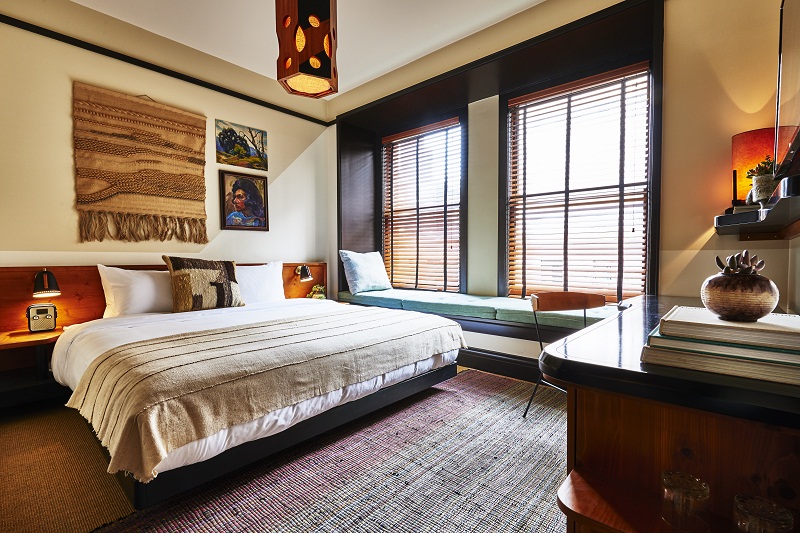
In Miami and Chicago, with a Los Angeles location set to open in February, Freehand makes a virtue of economy through thrift-shop-cool decor and trendy bars and restaurants that tend to attract locals as well as guests. Just don’t call these venues hostels.
“It’s not that we don’t like the term ‘hostel’ as much as a large portion of Freehand rooms are regular hotel rooms,” said Andrew Zobler, the founder and chief executive of Sydell Group, which owns Freehand.
In Chicago, for example, the Freehand offers accommodations ranging from a duplex penthouse with two bedrooms to shared quads with bunk beds, each with a privacy curtain (from about US$25 or about RM105 a bed). The more resortlike Miami property has a pool. Both operate Broken Shaker cocktail bars. A New York Freehand is expected to open in late 2017 with a similar blend of private and shared rooms.
Generator
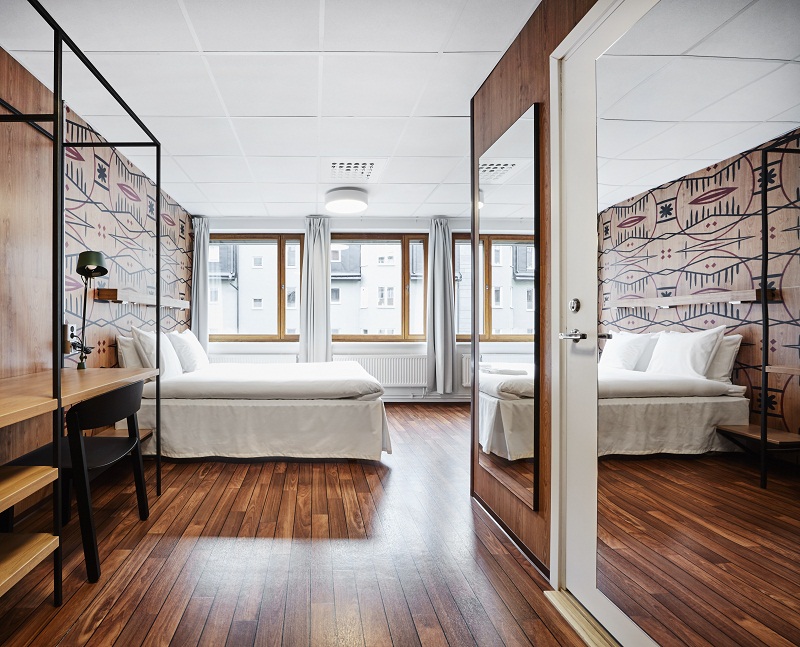
Operating 12 hostels in major cities in Europe, Generator will make its debut in the US in late 2017 in Miami with 406 beds in 102 rooms — 70 per cent of which are shared. The company also aims to open several more Generators in major US cities in the next five years.
Generator is known for encouraging guests to hang out in-house with a variety of programmeming including music, art shows and lectures, as well as dining and drinking options.
The Hollander
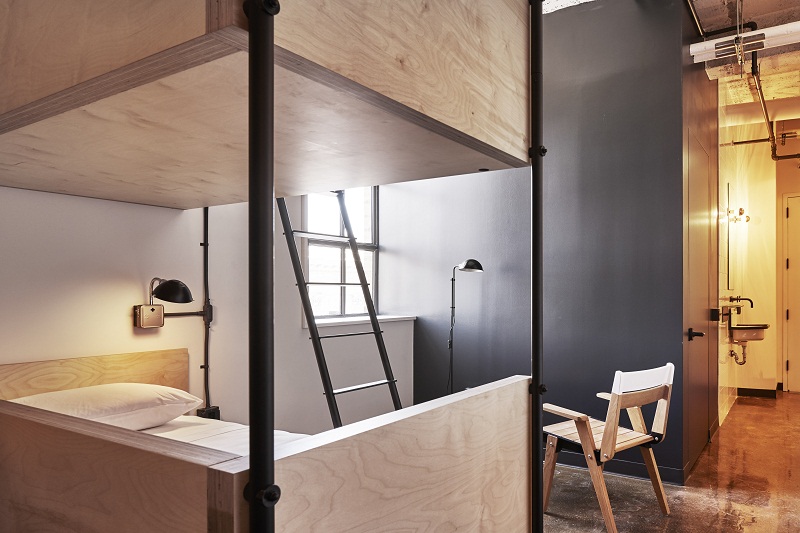
Best known for its design-focused boutique hotels in Mexico, Grupo Habita will open its first US property with shared rooms at the Hollander in Chicago this month. In the trendy neighbourhood of Wicker Park, the Hollander will hold 66 beds spread among 12 private rooms and eight shared rooms, each with their own bathrooms. Amenities include a bike shop, a coffee shop and a room for special events.
Beds in shared rooms will start at US$45 a night (private rooms from US$165). The property will be a neighbour of a more upscale hotel from the group, the Robey, also set to open late this month.
The Linq
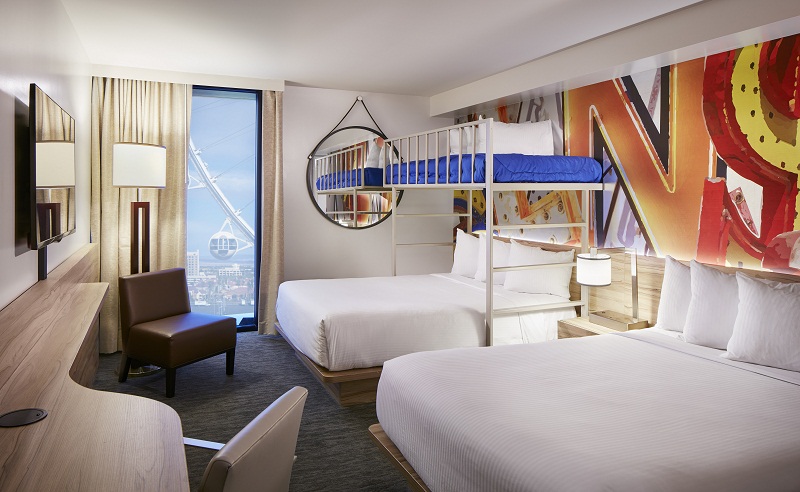
Las Vegas famously attracts vacationing groups. Now, instead of cramming three to a double, roomies can more comfortably inhabit at 12 new rooms with bunk beds at the Linq Hotel and Casino, a Caesars Entertainment property, on the Strip.
Two queen beds and one twin bunk bed furnish each of the 350-square-foot rooms, accommodating as many as five travellers at rates starting at US$69 each a night. — The New York Times