

















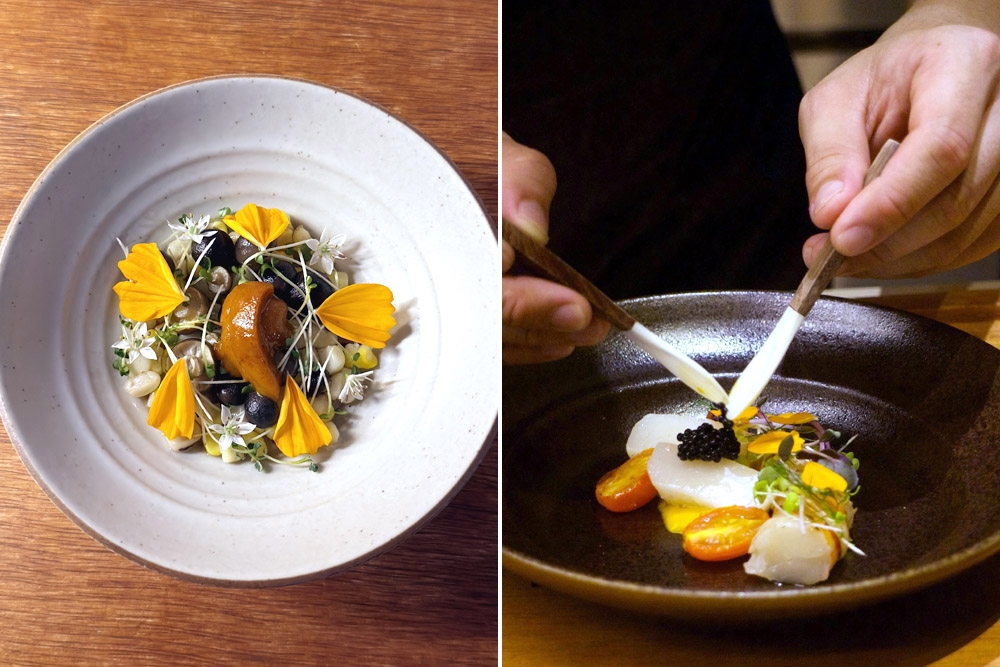
KOTA KINABALU, Sept 6 — From “Ambuyat”, a local delicacy made from the interior trunk of the sago palm, served with uni custard and heirloom corn, to “Bunga Kantan”, where the briny pair of tiger prawn and scallop is perfumed by torch ginger flower and kaffir, Sabahan fine dining reaches its pinnacle at OITOM in Kota Kinabalu.
The restaurant is helmed by 34-year-old chef and owner Raphael Jay Peter Lee, whose journey from a small town in Sabah to kitchens across Singapore and Melbourne has shaped the ethos of the restaurant.
At its core, OITOM is a tasting-menu restaurant that reimagines fine dining through a distinctly Sabahan lens. Here, foraged seaweed, mountain herbs and edible flowers sit comfortably alongside seafood cured in citrus and house-fermented creations.
Born in Keningau, Chef Raphael studied at the Asian Tourism International College in Sandakan and interned at Conrad Hotel Singapore before moving to Melbourne in 2016, working at Santoni Pizza & Bar Hawthorn and CA DE VIN.
That journey, he says, “deepened my respect for ingredients and sharpened my passion for thoughtful, creative cooking”, and led him down the path to opening OITOM years later.
Chef Raphael shares, “OITOM, meaning ‘black’ in the Kadazan-Dusun language, is rooted in local harvest and storytelling through food. The name reflects our commitment to celebrating Sabah’s rich biodiversity by using mostly locally sourced ingredients — from seaweed and clams to wild herbs and mountain flowers — many of which have long been part of indigenous diets.”
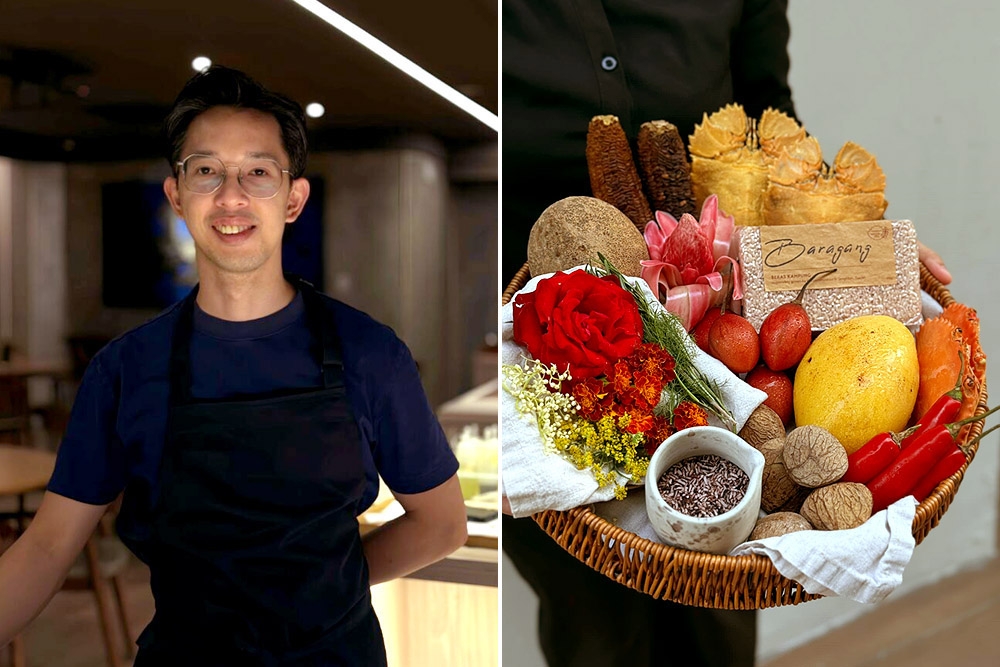
Central to this vision is a practice of foraging and collaboration with farmers: “By foraging and working closely with farmers, our chefs develop a deeper connection to each ingredient. This self-imposed boundary pushes us to be more creative, crafting dishes that are both innovative and culturally grounded.”
While Kadazan-Dusun culture was an early inspiration, OITOM’s menus have evolved to reflect a broader spectrum of Sabahan indigenous traditions that share similar flavours and concepts.
Chef Raphael explains, “Rather than focusing strictly on one culture, we prioritise ingredients and stories that complement each other and flow harmoniously within our tasting menu. It’s all about creating a balanced experience while still honouring the diversity of Sabahan food heritage.”
When asked which dish best represents OITOM, Chef Raphael points to a local classic called Hinava: “It’s a traditional Sabahan dish that uses acidity to ‘cook’ fish or seafood rather than heat — a method deeply rooted in indigenous food practices.”
The current Heritage tasting menu at OITOM begins with a version of Hinava that features konbu grouper, bunga cinta and caviar. An earlier iteration showcased lightly cured fresh scallops served with a strawberry broth.
To make Hinava, the fermentation process uses local spices and bambangan seeds, derived from indigenous wild Borneo mangoes. Even the décor of the restaurant reflects this, showcasing Sabahan ingredients and ferments.
Chef Raphael adds, “At OITOM, we experiment with various cooking techniques, but we often find ourselves returning to ancestral methods like fermentation. Hinava reflects our philosophy perfectly: respecting tradition while exploring new ways to present and refine it.”
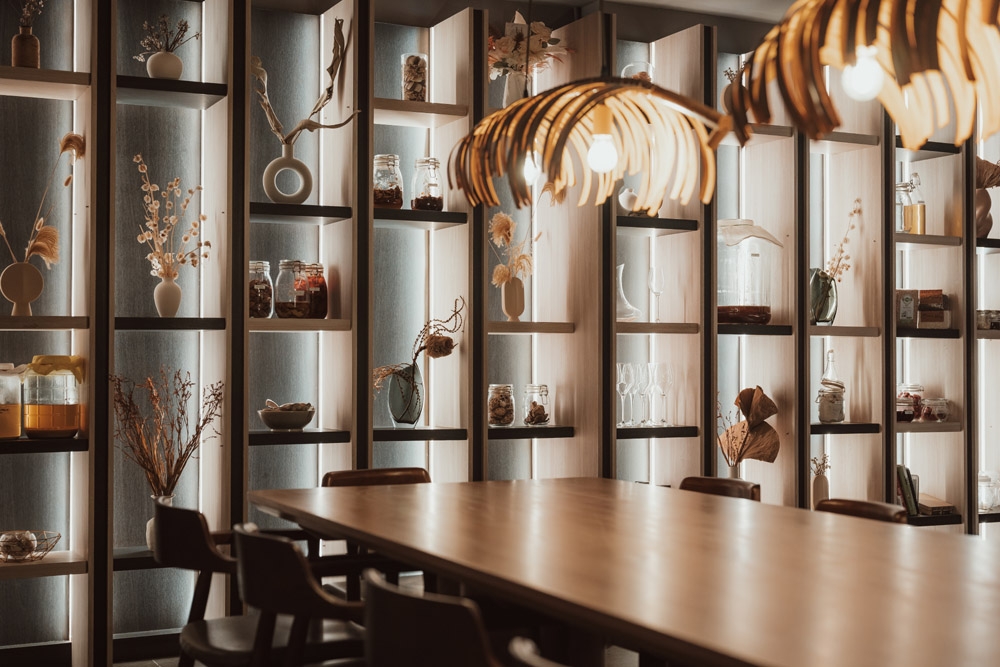
Despite OITOM’s status as a fine dining restaurant, accessibility remains at the heart of its mission. Chef Raphael says, “We focus on creating an elevated experience that still feels grounded and personal, by telling stories about the culture, using local ingredients, and maintaining a casual, warm and welcoming environment.”
Sourcing exclusively from local producers presents challenges, but also opportunities for growth as OITOM maintains a close and evolving relationship with farmers and suppliers.
“A great example is Dumowongi, a community-based farm in Ranau near Mount Kinabalu. What started as one woman’s backyard garden has grown into a network of over 70 women cultivating herbs and edible flowers — and we’ve grown alongside them.”
Today, OITOM’s team continues to explore different parts of Sabah in search of potential producers, not just for what they need now, but for ingredients they may work with in the future.
Chef Raphael shares, “These relationships are built on trust, shared growth, and a mutual passion for quality and sustainability.”
Running a restaurant means balancing artistry with pragmatism: “Balancing creative freedom with financial realities is definitely a challenge. I focus on using seasonal, local ingredients that offer great flavour but also cost-effectiveness.”
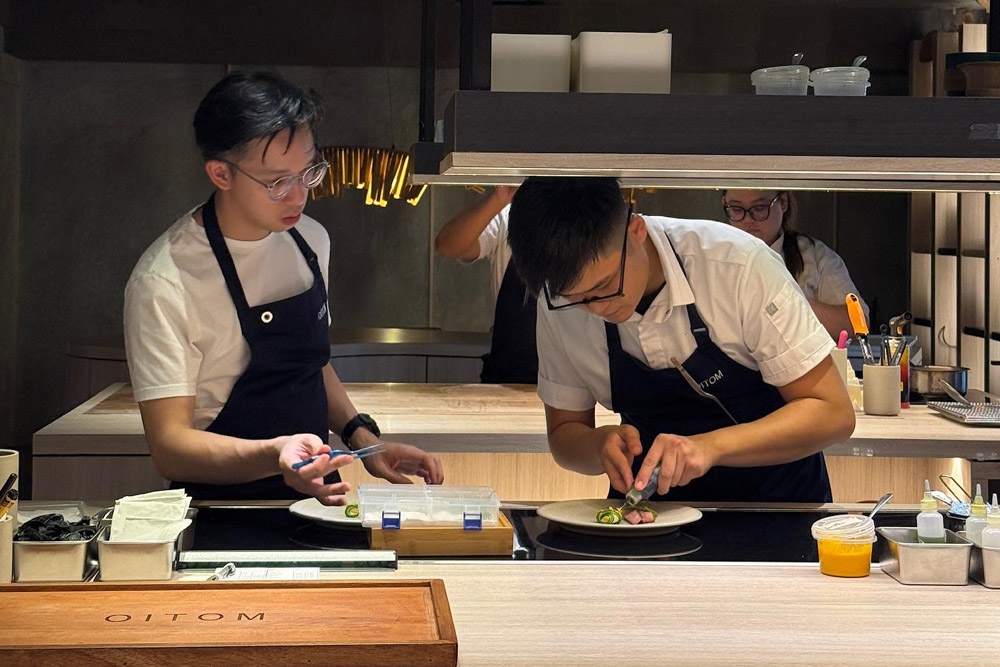
This ethos extends beyond fine dining. Pop-ups and casual experiments, such as burger nights and dessert concepts, form part of OITOM’s long-term outlook.
Chef Raphael explains, “This allows us to experiment things outside of the fine dining setting and reach a much wider audience. It can be much more approachable and also a way to stay creative, testing new flavours as well.”
In the long term, this method of outreach allows OITOM to remain present in the community – supporting OITOM’s growth, creating a new revenue stream and also giving the team room to grow.
“It’s about expanding thoughtfully, without losing the heart of what we do.”
That essence is distilled in one of OITOM’s signature dishes called “Sinalau”, inspired by the Kadazan-Dusun cooking method which involves smoking protein to dry it. (The word sinalau simply means “smoke”.)
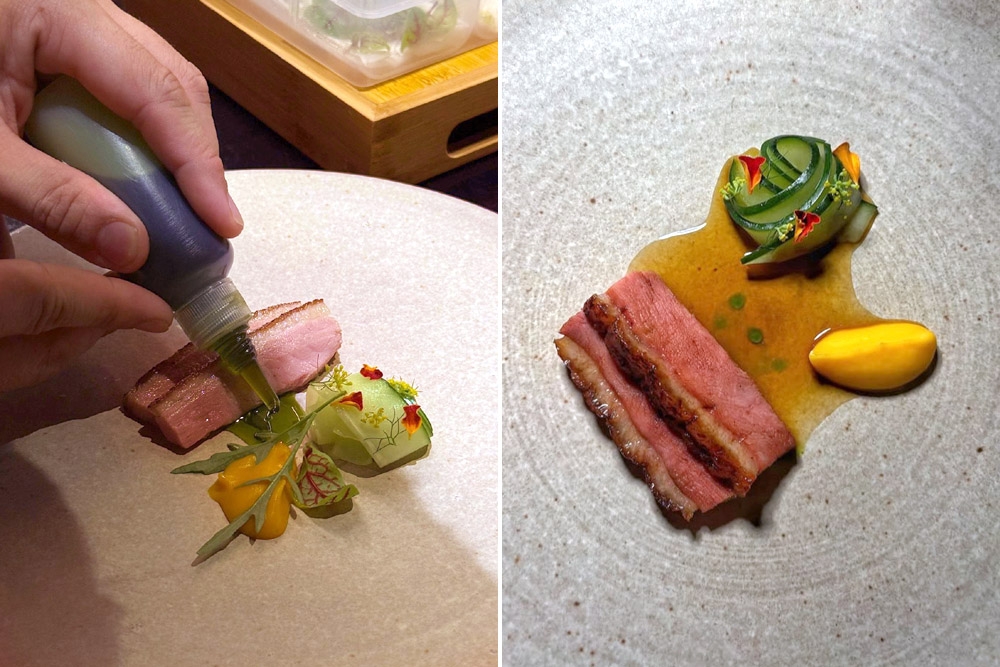
Here Chef Raphael pays homage to the makeshift stalls in the mountainous regions of Sabah, particularly Kundasang, where meat is smoked for up to six hours. OITOM’s version of sinalau takes the form of aged Perak Duck with pumpkin purée, pickled cucumber ribbons, garlic chive oil and duck jus.
Clearly, for Chef Raphael, the journey is less about chasing accolades than about nurturing a dialogue between heritage and innovation, ensuring that every dish tells both where he comes from and where Sabah’s cuisine might go next.
OITOM
Unit No B-1-12,
Block B,
1st Floor, Sutera Avenue,
Lorong Lebuh Sutera, Off Jalan Coastal,
Kota Kinabalu, Sabah.
Open Wed-Mon 7pm-11pm; Tue closed
Phone: 014-329 9375


