


KUALA LUMPUR, Sept 29 — The recent controversy over a delayed incentive payment to Paralympic gold medallist Cheah Liek Hou has sparked debate on how Malaysia’s top badminton players are treated, casting a spotlight on the sport’s complex remuneration system.
Cheah publicly criticised the Malaysian Paralympic Council (MPC), saying it had failed to honour its pledge to pay a RM60,000 reward to gold medallists of the 2024 Paris Paralympics.
He and powerlifter Bonnie Bunyau Gustin were the only Malaysians to win gold at the tournament.
The council defended itself, saying the incentive could not be paid because one of its sponsors had pulled out.
The row then escalated into a messy debate over responsibility for athletes’ rewards. To clarify the matter, Malay Mail spoke to officials from the National Sports Council (NSC) for a breakdown of how Malaysia’s elite badminton players are compensated and by whom.
First, there are two categories of national players under which all of Malaysia’s elite badminton players fall — full-time players managed by BAM, and independent professionals.
Full-time players under BAM
These players are under the supervision of the Badminton Association of Malaysia (BAM), which oversees their entire professional ecosystem.
This includes:
- paying their athletes a monthly salary and allowance
- coaching and training support, meaning the association is responsible to find the best coaches for its players
- sports science and medical treatment
- managing all matters regarding tournament participation, both local and international.
- managing all travel arrangements and costs
All this is formalised through contracts between the players and BAM — which receives funding from the NSC to support these provisions.
NSC on the other hand gets its funding from the Youth and Sports Ministry as part of allocations for ministries under the annual federal budget.
NSC-BAM pay structure
There are no full-time badminton players managed directly by NSC. Instead, NSC supports BAM through annual grants, which cover player allowances, coaches’ salaries, travel costs and other needs.
These allocations are planned and agreed upon through discussions between NSC and BAM.
Under the tenure of Youth and Sports Minister Hannah Yeoh, a tiered system based on performance determines monthly pay and allowances:
- Olympic medallists — Gold RM7,500, Silver RM7,000, Bronze RM6,500
- Asian Games & Commonwealth Games medallists — Gold RM5,200, Silver RM4,700, Bronze RM4,200
- World Championship medallists — Gold RM4,200, Silver RM3,700, Bronze RM3,200
- Asian / Commonwealth Championship medallists — Gold RM3,200, Silver RM2,700, Bronze RM2,200
- SEA Games medallists — Gold RM2,700, Silver RM2,200, Bronze RM1,700
This structure applies to Paralympic badminton players, who are managed and funded solely by MSN
Representation at the Paralympic Games, however, is managed by the MPC, which is tasked with the role to promote the national contingent, including finding sponsorships.
Players are also allowed to enter into direct commercial deals with brands, provided they do not contravene rules and regulations set by BAM, MPC or the Olympic Council of Malaysia.
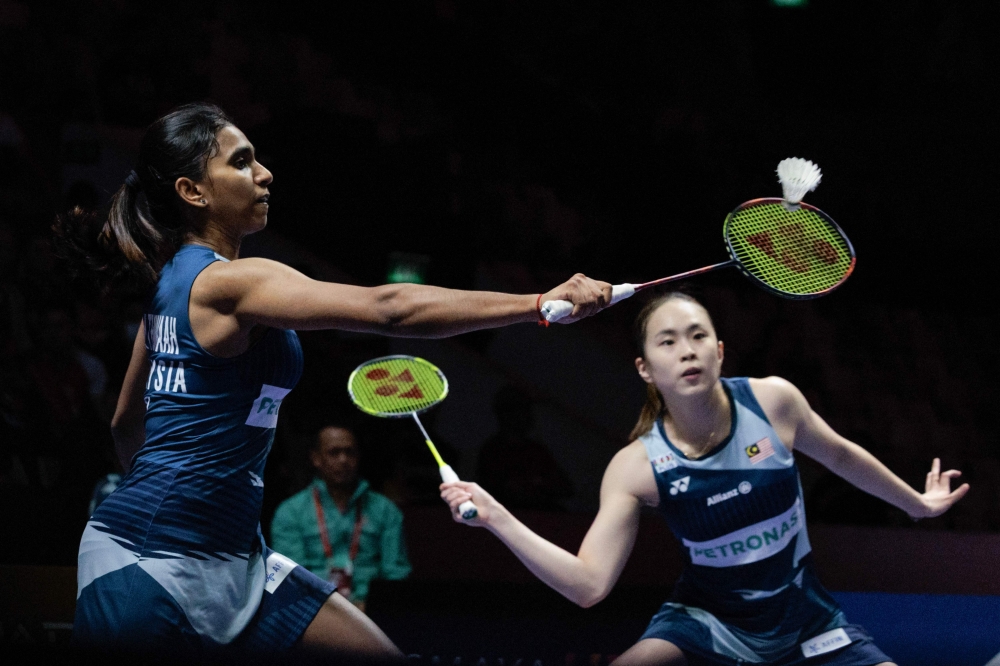
Examples of players under the NSC-BAM system include the women’s doubles pair Pearly Tan and M Thinaah.
Independent professional players
These players operate outside BAM’s framework and manage themselves. They:
- Source their own sponsors. This is important because their monthly income will be determined by sponsorships, brand endorsements, as well as prize money
- Choose and pay their own coaches, as well as secure training venues
- Manage their own travel and tournament logistics
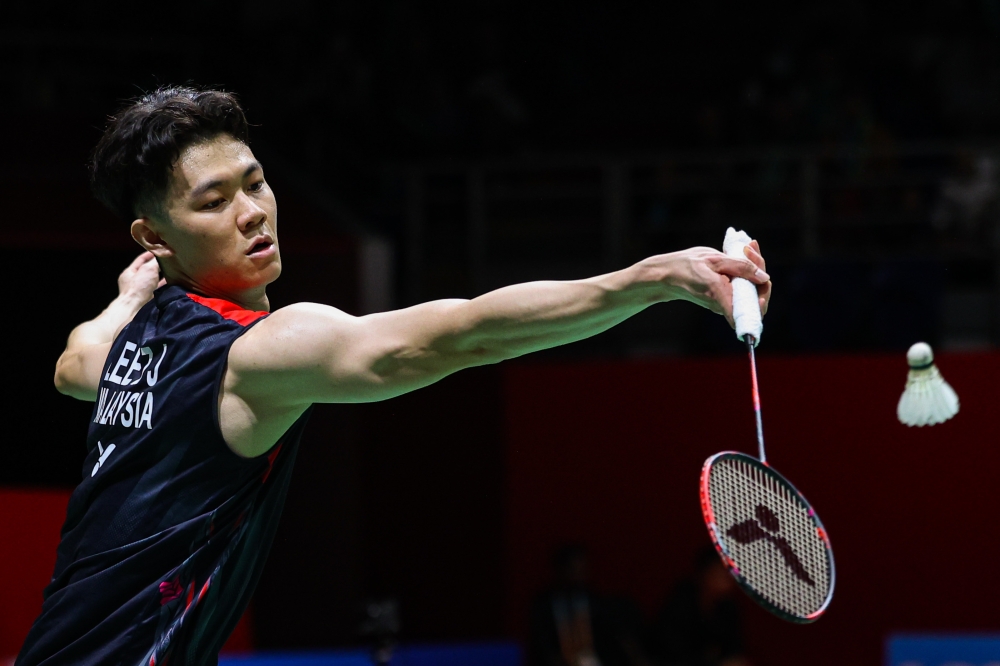
“Pro” badminton players are not eligible for NSC or BAM support unless they re-enter the BAM framework. An example of an independent player is singles shuttler Lee Zii Jia.
Where does the Youth and Sports Ministry fit in?
As the main authority for sports development policy in the country, the ministry is responsible for securing funding for BAM to support its athletes and programmes for both able-bodied and para athletes.
The ministry also plays a mediating role in disputes and can use its influence to help secure sponsorships for specific sports or athletes.
Most recently, Yeoh acted as mediator between Cheah, MPC and sponsors, helping to secure the funds promised to the Paralympic champion.


