


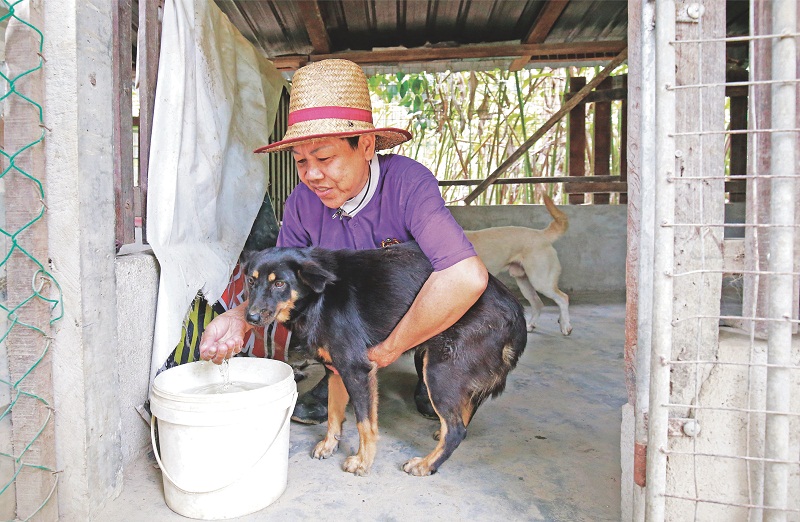
IPOH, April 20 — With temperatures sky-rocketing in Ipoh, more animals are being treated for heat-related illnesses.
Veterinarian Dr Ranjit Kaur Mendhir has noticed a 30 to 40 per cent increase in such cases since the hot spell began two to three months ago.
She said this included ailments such as dehydration, diarrhoea, nausea, loss of appetite and heatstroke.
“Puppies, kittens and other small animals are more susceptible during this hot spell. It also affects darker coloured animals and those with longer and thicker coats,” she said.
Dr Ranjit, who is also founder of animal welfare group Noah’s Ark Ipoh, said this was the first time she had seen an increase in such cases and blamed the unusually high temperatures for causing the ailments.
She advised owners to keep their pets indoors whenever possible, while also ensuring that fresh water was made available.
“If possible, fans and air-conditioning will also help. Owners can also provide more wet food and spray water on the ground where their pet is kept,” said Dr Ranjit.
“Owners can even cool them down with wet wipes.
“Larger animals can be bathed daily.”
Dr Ranjit said pets were not the only animals at risk, as stray dogs, cats and birds were also feeling the heat.
She said Noah’s Ark volunteers were putting out pails and basins of water for the strays.
“I urge the community to do the same because these animals are feeling just as hot as us. They will need help to stay cool, just like we do,” she said.
Perak Turf Club veterinary surgeon Dr Reza Singam said staff at the club had taken precautionary measures to ensure the 250 horses under their care do not suffer under the heat.
This, he noted, was important as races were usually held in the afternoon.
“The trainers are taking the horses out for training early in the morning to reduce their exposure to the sun. During races, there are water coolers available to spray cold water on the horses,” he said.
“We also make sure the horses are not out in the sun too long ... around 30 minutes at most.”
Dr Reza said most of the horses were put in air-conditioned stables after their races while those that did not have air-conditioning stayed in stables equipped with fans and water sprayers to maintain a cool temperature.
“So far, we have not seen any increase in heat-related illnesses among the horses and this is because of the precautions we are taking,” he said.


