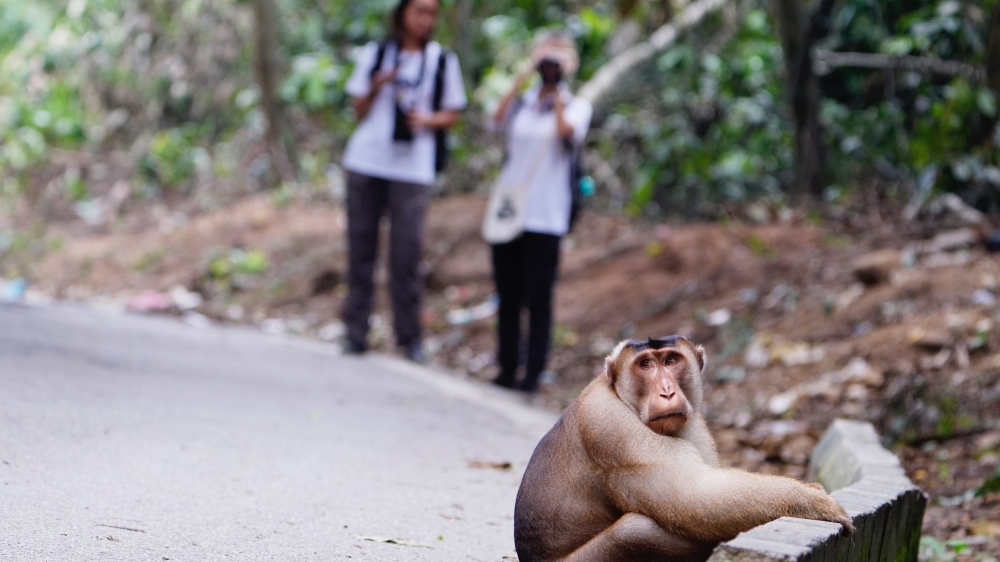
GEORGE TOWN, Sept 10 — Monkeys may look so cute and furry that people are tempted to feed them, but this seemingly kind gesture can bring more harm than good to the primates.
Feeding monkeys human food can lead to various health problems, negatively affect their offspring and contribute to genetic issues.
Although there are signs warning the public against feeding monkeys in places like the Penang Botanic Gardens, people tend to ignore these.
There were also habitual feeders who would regularly feed the monkeys at set hours.
To combat this situation, Langur Project Penang (LPP) has launched environmental education programmes to educate and engage communities for more positive human-monkey interactions.
LPP founder Yap Jo Leen said this year, they gained new funders and are looking forward to grassroots efforts in terms of community science and conservation.
“So, for LPP, this year is not just about building a new bridge for the langurs, we are also expanding our educational programmes,” she said.
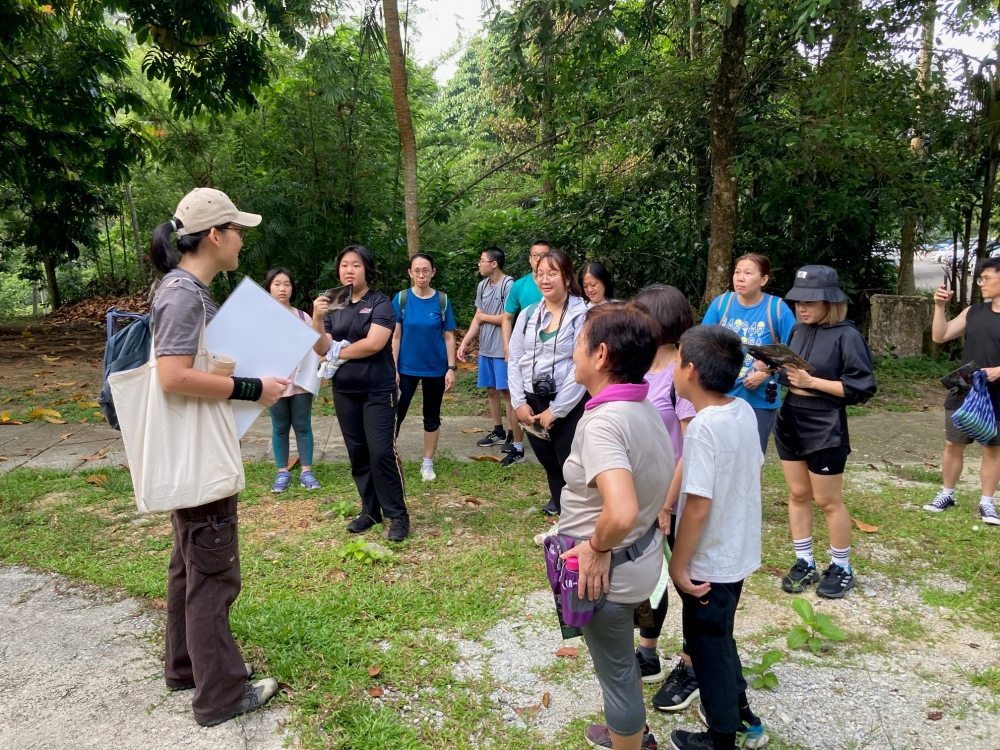
LPP project executive Wong Hui Yi said they are working on new environmental education materials such as a comic book and comics on their website.
“The comic book is called The Story of Sebastian that is based on the real-life story of a pig-tailed macaque that lives in one of our study sites in Cherok Tokun,” she said.
“The comic will be highlighting waste management issues, the illegal wildlife pet trade issue and also negative human and monkey interaction like people feeding them,” she said.
Wong said they also have two series of comics that were produced by a group of selected youths at the YSEALI Boot Camp in 2024.
The comics are called Sprout’s Adventure: The Trouble with Treats and Sprout’s Adventure: The Litter Problem.
Both are interactive comics that serve to educate children about monkeys and the problems caused by feeding and littering.
“We use these comics for storytelling sessions with children and it is easier for them to absorb the lessons in a comic format,” she said.
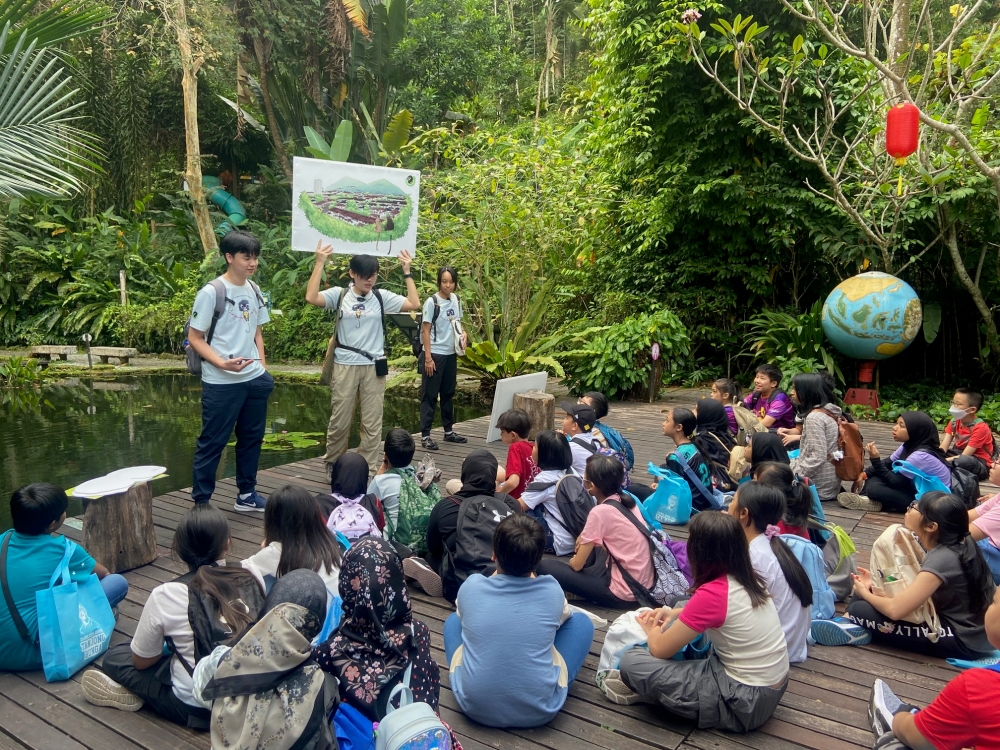
According to Yap, LPP will also be organising a series of educational programmes with various collaborators in the lead up to the installation of a third canopy bridge for dusky langurs in December 2025.
“After installing the third bridge, we will also have a series of environmental education activities,” she said.
LPP started out as a research project by Yap who was studying a family of dusky langurs as part of her Master’s and PhD research.
She initiated the installation of the first canopy bridge in Teluk Bahang, Ah Lai’s Crossing, for the family of dusky langurs she was studying back in 2019.
Last year, LPP installed a second canopy bridge named Numi’s Crossing in Jalan Lembah Permai in Tanjung Bungah.
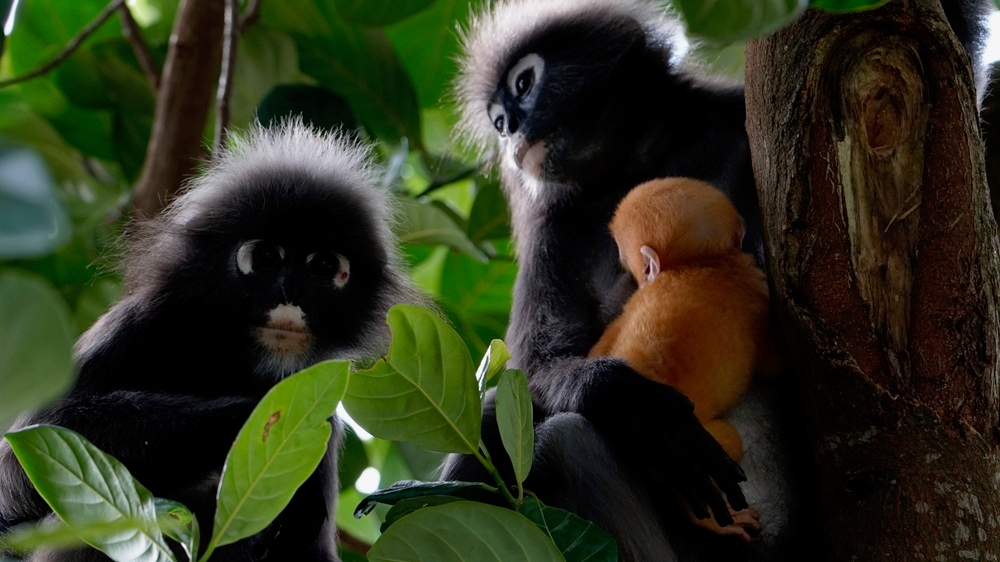
LPP is now a primate conservation enterprise with three main focuses, the canopy bridge project, citizen science-based fieldwork and environmental education.
LPP recently received the Gamuda Inspiration Award from Yayasan Gamuda.
Yap said one of the little-known facts about the primates that are commonly seen in Penang — dusky langurs, the long-tailed macaques and the pig-tailed macaques — is that all three species are endangered.
“The long-tailed macaques are often seen because they congregate around food sources like rubbish bins and feeding sites,” she said.
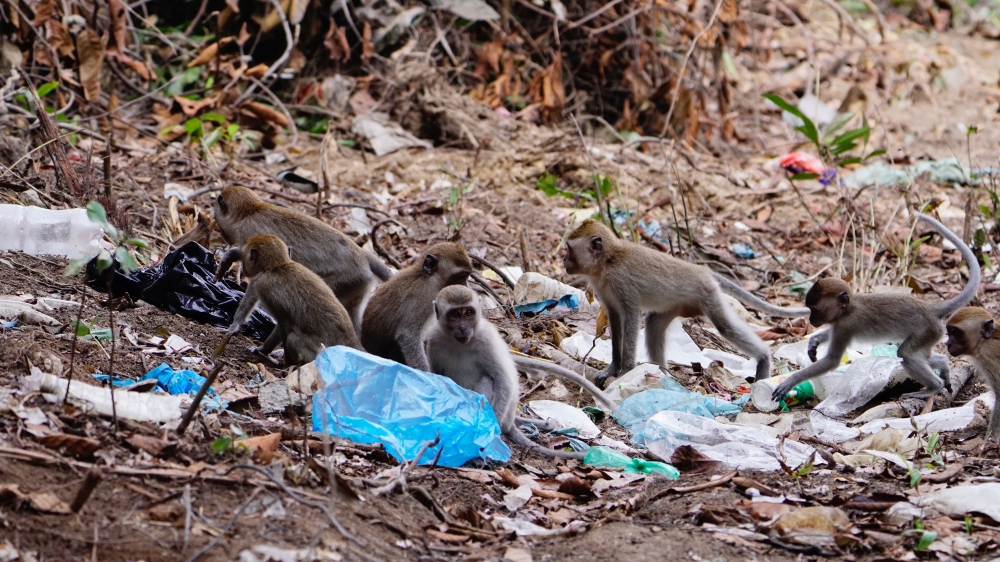
Due to rapid development and less forested areas, the macaques have moved closer to urban areas, which may indicate declining populations in forested habitats.
“They may appear to be common because they are seen in urban areas but they are all endangered,” she said.
Aside from comics, LPP has also produced guides for the public on the dos and don’ts when they come across the macaques.
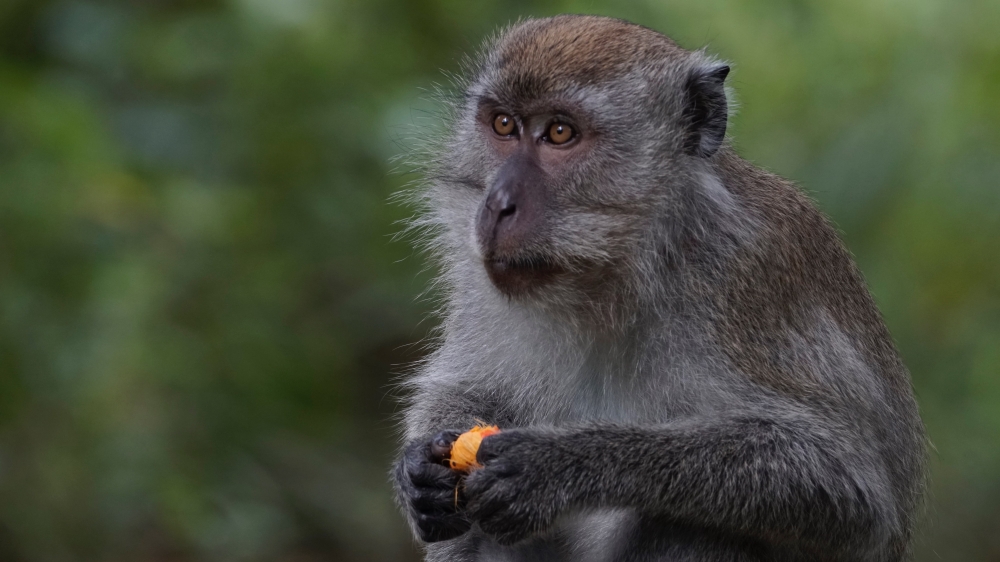
Among the main points were to refrain from feeding the macaques, avoiding eye contact, keeping a safe distance and avoiding a show of teeth as this can be seen as a sign of submissiveness.
They also hope to create awareness among the public to not touch or attempt to ‘rescue’ baby langurs especially along hiking trails or near forested areas.
“Sometimes the mothers drop their babies and if there are humans surrounding the baby, they wouldn’t come down to take it immediately so it is best to leave the baby and walk away,” she said.
She said if the baby was “rescued” and handed over to Perhilitan or even to LPP, they would not be able to reunite it with its mother.
“We wouldn’t know the baby belongs to which family or where (to return it),” she said.
She said in most cases, if there are no humans around, the mothers would immediately pick up the baby so there was no need for human intervention.
Yap said LPP is also still continuing with its citizen scientists programme which is open to anyone.
“Anyone can sign up to be one and be involved in fieldwork,” she said.