


KUALA LUMPUR, Feb 12 — In the weeks leading up to Chinese New Year and Ramadan, a familiar conversation plays out at aesthetic clinics — one increasingly shaped by social media.
As the festive season drives demand for quick weight-loss solutions, more walk-in patients are requesting Glucagon-like Peptide-1 (GLP-1) “slimming shots” they saw online, reflecting how social media hype has turned a prescription treatment for obesity and diabetes into what many now view as a lifestyle fix.
With heightened demand and normalisation, doctors say a dangerous misconception — that the drugs are a quick-fix cosmetic solution — must be corrected, as GLP-1 medications are intended for specific medical conditions and require careful medical supervision.
“Most people feel pressure to look their best during the festive season, and many turn to Ozempic (a widely known GLP-1 brand) or similar medications because information about it is readily available and it’s relatively easy to obtain, whether through clinics or other sources.
“Some clients who come to us have no medical need; they are otherwise healthy young individuals seeking weight-loss treatment based on information they heard elsewhere, often assuming it is a functional treatment because celebrities are using it,” Dear Clinic director Dr Siti Khadijah Awang Amat told Malay Mail in a recent interview.
Dr Siti Khadijah, popularly known as Dr Katalina, said it is crucial to make patients understand that Ozempic and other GLP-1 medications are not simply weight-loss treatments and that their use carries potential risks.
To ensure this, she conducts a thorough assessment for all walk-in patients, which typically begins with a single question: what is the reason for seeking the medication?
“We must ask that question because some patients come in saying they want to slim down and have heard that Ozempic is effective, but that’s not how it works,” she said.
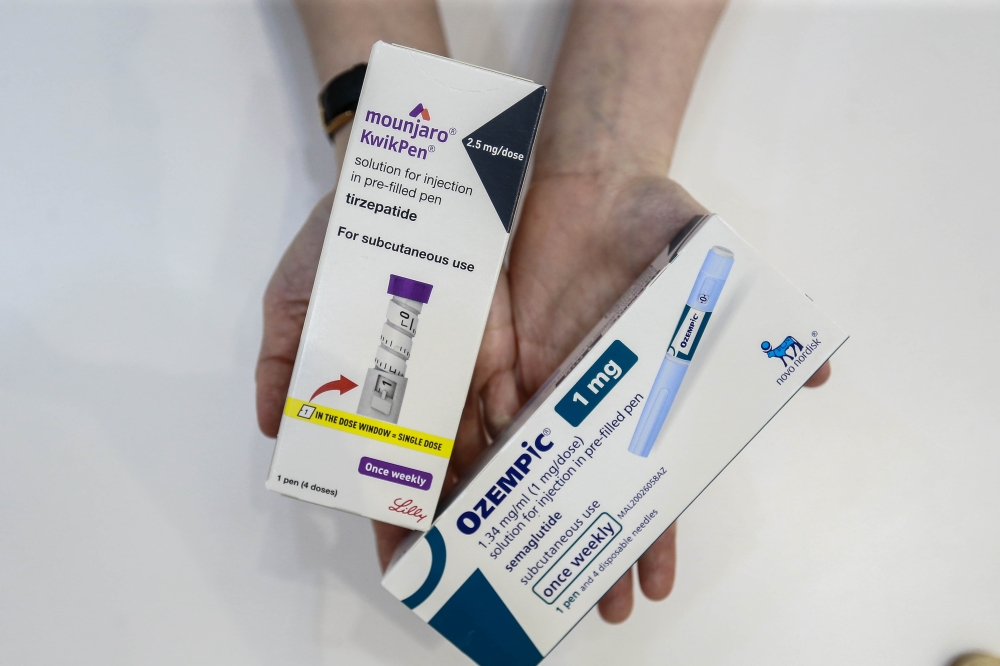
Dr Siti Khadijah said that once she understands a patient’s reasoning, she determines their eligibility through various assessments, including reviewing any existing prescriptions and conducting blood tests.
Echoing this sentiment, Clinic RX clinical director Dr Ng Valynne said that each patient must be carefully evaluated from family history to existing comorbidities.
“We ask a long list of questions to ensure patients are suitable for this medication and to assess whether they can manage potential side effects, because many people misunderstand, thinking it’s a shortcut for weight loss,” Ng said.
The risks behind easy access
Aggressive and widely accessible social media promotions have fuelled an influx of easily obtained GLP-1 medications — often cheaply sold and sometimes illegally sourced through parallel imports or repackaged products — raising concerns for patient safety and public trust.
In Malaysia, authentic GLP-1 medications are sourced exclusively from licensed manufacturers and registered distributors regulated by the Health Ministry’s National Pharmaceutical Regulatory Agency (NPRA).
As prescription-only medicines, each GLP-1 package carries an official MAL registration number that can be verified on the NPRA’s website and is supplied through a traceable, regulated pharmaceutical chain with proper cold-chain storage.
“So anybody that tells you that theirs is legitimate but they cannot show you information such as the expiry and manufacturing date, batch number, the licence holder or manufacturer, then that’s a red flag,” Ng said.

Ng also noted that illegally marketed versions may not follow proper storage procedures, unlike legitimate clinics where these drugs must be continuously refrigerated to maintain their stability and effectiveness before use.
Improper dosing can also lead to adverse effects, Dr Siti Khadijah said, noting that this may occur when injections are administered by unlicensed practitioners, self-administered based on others’ experiences, or taken on inconsistent schedules, as individual tolerance varies.
Dr Ungku Mohd Shahrin Ungku Mohd Zaman of the Persatuan Doktor Estetik Berdaftar Malaysia (PDEBM) said social media often oversimplifies complex medical treatments, highlighting rapid results while downplaying side effects and long-term commitment.
“Influencers lack medical accountability, and when doctors themselves use promotional or sensationalised messaging, it risks blurring the line between patient education and advertising.
“Misrepresentation of these medications may lead to inappropriate use and unnecessary health risks,” he said.
He expressed concern over the rising portrayal of GLP-1 medications as “quick-fix slimming injections,” noting that they are neither cosmetic procedures nor intended as instant weight-loss solutions.
Like all prescription drugs, GLP-1s carry common side effects and health risks, including nausea, vomiting, diarrhoea, constipation and appetite suppression — which can be worsened if the drugs are misused.
More serious but less common risks include gallbladder disease, pancreatitis, severe gastrointestinal intolerance, nutritional deficiency and loss of lean muscle mass if not properly monitored, Dr Ungku Mohd Shahrin said.
Ng said weight loss should not be pursued solely for festive seasons and noted that GLP-1 medications are often misunderstood, particularly among younger people, as a quick fix to shed a few kilograms, even among those who are already underweight.
Instead, weight management should focus on long-term health, reducing inflammation and cardiovascular risk through a combination of proper diet, lifestyle changes and exercise.
“GLP-1 medication is just a small part of it, while minor concerns like small amounts of body fat can be addressed through simple lifestyle adjustments.
“So we really have to set the younger generation’s mindset correctly because if you are looking at the wrong thing then definitely you will go down the path,” she said.
It pays to be safe
Dr Ungku Mohd Shahrin stressed that only fully registered medical doctors under the Malaysian Medical Council (MMC) are authorised to prescribe GLP-1 drugs following proper medical assessment, counselling and informed consent.

He said financial incentives must never take precedence over patient safety or medical ethics, warning that promoting GLP-1 therapy as a cosmetic or quick-fix solution without adequate medical oversight risks exposing patients to harm and undermining public trust in healthcare.
“The aesthetic industry bears a professional and ethical duty for how these drugs are normalised and delivered,” he said.
Ng said those interested in GLP-1 therapies should consult a qualified doctor and avoid self-prescribing medication.
“Wanting to lose weight is secondary. The main thing is to stay healthy and alive,” she said.


