


KATHMANDU, May 4 — Nepal’s newly elected Prime Minister Balendra Shah defended today his push to clear informal settlements from stiff criticism by rights groups, in rare public comments since assuming office.
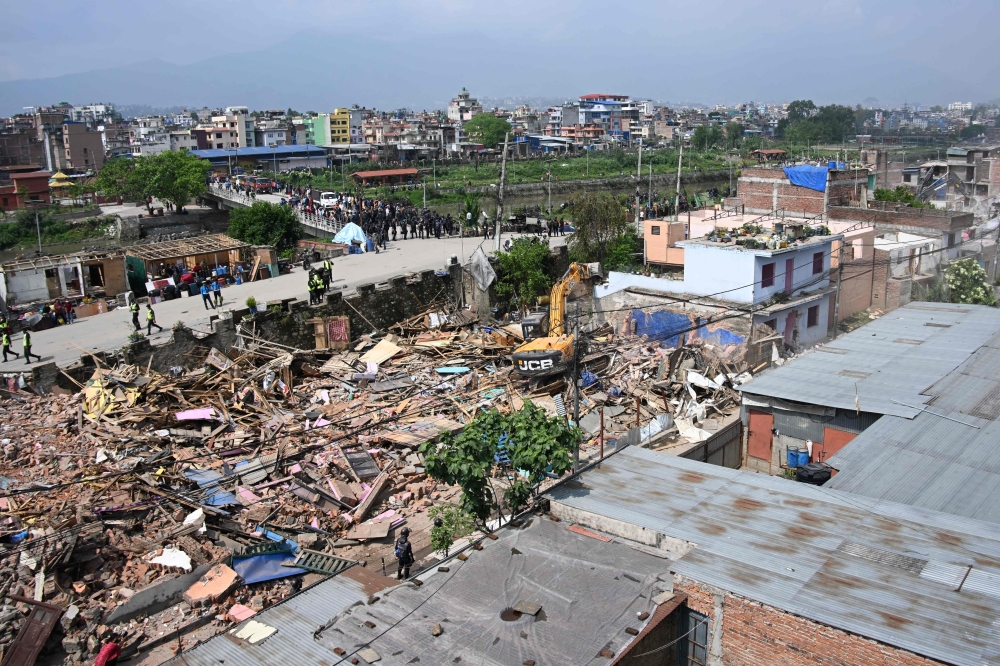
Authorities last month began demolishing informal settlements home to thousands of people on government land in the capital Kathmandu.
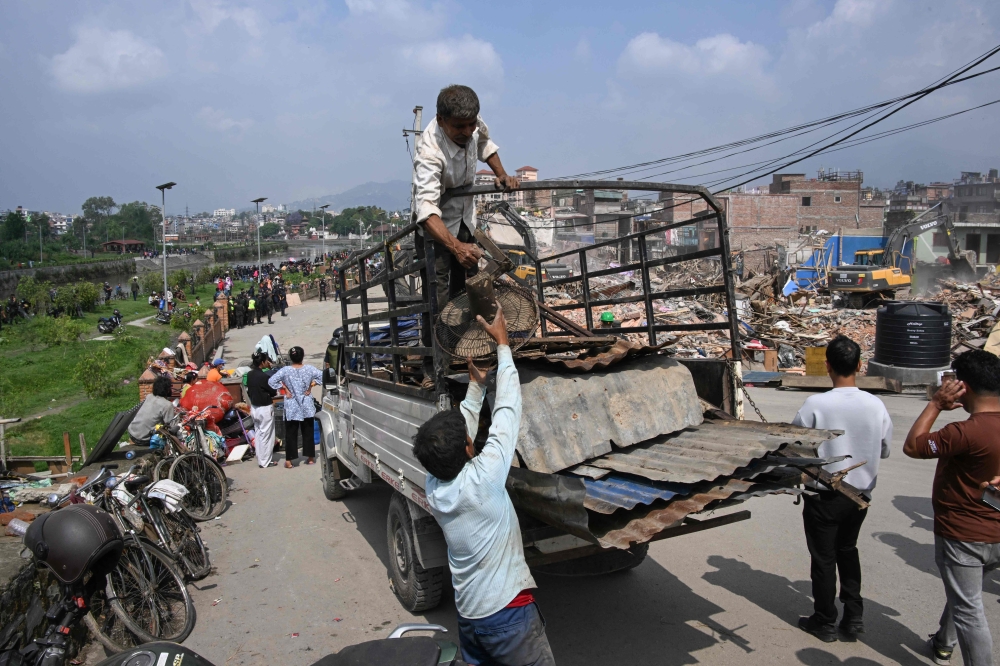
Squatters have been living for decades on the banks of the Bagmati river and its tributaries which crisscross the Kathmandu valley. Many lived in flimsy shelters of wood and sheet metal shacks.
Shah, 36, who was elected in March, said in a post on social media the process was “in accordance with the law”.
He criticised what he called “intentional attempts to create suspicions and spread fear” about the process among residents of informal settlements.
“The government is fully committed to ensuring safe, dignified and permanent housing for every landless citizen,” Shah said.
“No citizen will be allowed to become homeless.”
Balakrishnan Rajagopal, the outgoing UN special rapporteur on the right to adequate housing, said in April that he was “very concerned about the threat of forced eviction looming over several thousands of residents”.
Amnesty International said that forced evictions reflect “a dangerous erosion of lawful governance and signals an increasingly authoritarian approach”.
Shah rejected that, saying that “all the steps taken are not aimed at evicting citizens, but at ensuring the right to housing and finding a permanent solution to the problem”.
About 3,500 houses and structures, home to about 25,000 people, have been demolished, according to Nepal Mahila Ekata Samaj, a network of landless women.
The evictions took place peacefully but under heavy police presence, with residents carrying bags and loading furniture and belongings into small trucks.
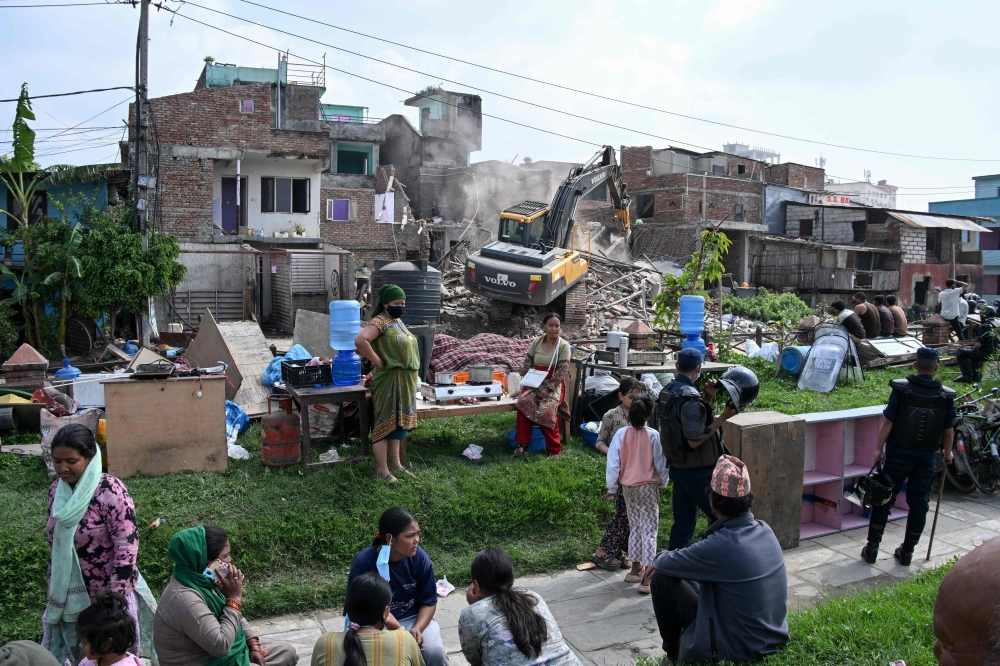
“There is a situation of uncertainly right now. The people don’t have a place to stay, nothing to eat and their jobs and schools have been disrupted,” Bhagwati Adhikari of Nepal Mahila Ekata Samaj told AFP.
A total of 1,816 families have registered as squatters, according to the government, with 794 transferred to government holding centres.
The Supreme Court today issued a show-cause order to the government, following petitions against the decision to remove squatters from public land. — AFP


