


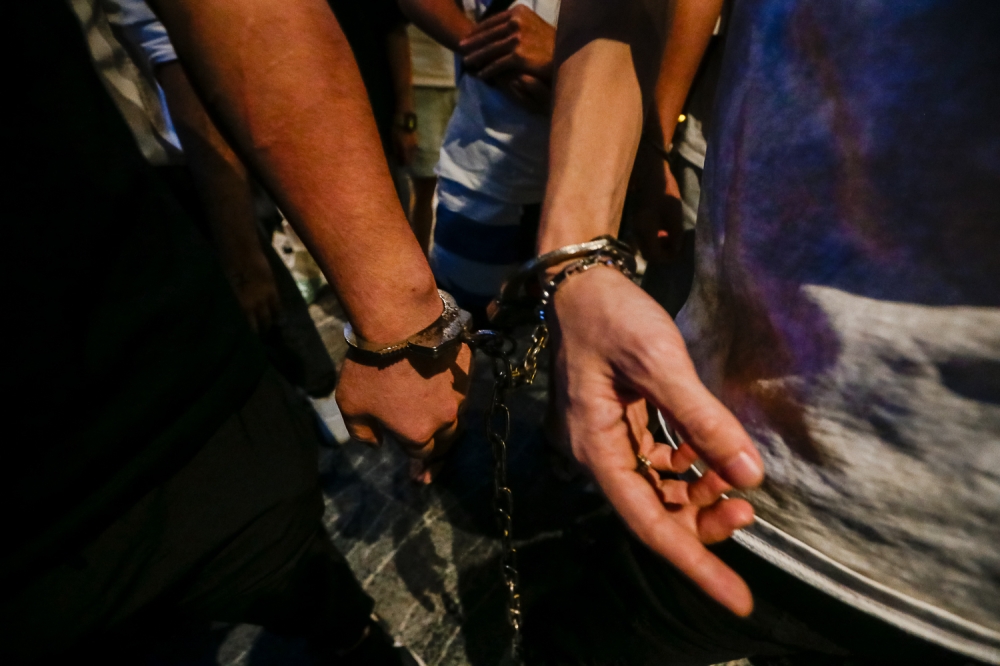
MARCH 31 — The Centre for Independent Journalism (CIJ) expresses serious concern over the arrest of journalist Kalidas Subramaniom at the Kulim district police headquarters today.
Kalidas Subramaniom was reportedly called in to provide a statement in relation to alleged trespassing, only to be subsequently arrested.
At the time of the alleged incident, he was carrying out his duties as a journalist reporting on claims involving undocumented migrant workers in Kulim Hi-Tech Park alongside other media practitioners, civil society actors, and observers.
CIJ firmly reiterates that journalism is not a crime. The act of gathering information at the actual site of the incident is in the public interest, particularly on issues involving communities at risk, and is a fundamental responsibility of the media.
Arresting a journalist in the course of their duty of public interest reporting represents a disproportionate and deeply alarming response that undermines media freedom and democratic accountability.
The use of criminal trespassing laws in this context raises serious questions about proportionality, necessity and intent.
While legal frameworks governing access to certain premises must be respected, they must not be applied in a manner that obstructs legitimate public interest reporting, especially not at the expense of communities at risk legitimately threatened by powerful actors.
Conflating legitimate journalistic reporting with criminal conduct risks setting a dangerous precedent that could deter media practitioners from fulfilling their role as watchdogs.
As such, CIJ questions the nature of this arrest as to whether it meets international standards of necessity, proportionality and legitimacy.
Without transparent justification for this arrest, we continue to question the legitimacy of the actions taken by the authorities, particularly in respect of journalistic responsibility.
Furthermore, this incident also reflects a broader concern regarding the safety and protection of journalists in Malaysia.
Media workers must be able to operate without fear of harassment, intimidation, or arbitrary detention.
The arrest of Kalidas Subramaniom could send a chilling signal to the media community, setting a precedent that threatens the public’s right to access information whilst bolstering a legal framework that favours business interests and corporate actors, instead of the public interest.
The arrest itself sends a signal and journalists are likely to avoid reporting on “sensitive” issues, including on corporate malpractice or migrant labour issues, due to fear of legal consequences.
CIJ calls on the authorities to:
- Ensure that law enforcement agencies uphold the rights of journalists and respect the role of the media as the fourth estate;
- Commit to guaranteeing the safety and freedom from harm of all media practitioners in Malaysia.
- Prevent selective enforcement and the (mis)use of restrictive law to harass and intimidate journalists from reporting on matters of public interest, especially those involving communities at risk.
A free and independent media is a cornerstone of any democratic society. Upholding media freedom is a fundamental obligation.
Authorities must act in accordance with these principles and ensure that journalists are protected, not penalised, for carrying out their duties.
*This is the personal opinion of the writer or publication and does not necessarily represent the views of Malay Mail.


