


KUALA LUMPUR, March 31 — The Malaysian government should encourage more Malaysians to travel locally by giving them tax relief for hotel stays, an industry group has suggested.
Malaysia Budget & Business Hotel Association (MyBHA) president Sri Ganesh Michiel said this proposed tax measure would help with the expected reduced number of overseas visitors due to the Middle East conflict.
“As global travel costs rise and geopolitical instability in West Asia/Middle East disrupts traditional overseas routes, we strongly urge the government to pivot towards domestic resilience by adding and expanding the RM1,000 tourism tax relief to include licensed and registered accommodation,” he told Malay Mail.
“We must proactively incentivise Malaysians to choose local destinations to balance the inevitable shortfall in international arrivals,” he said.
But he said this tax relief must be strictly only for regulated hotels to safeguard industry integrity and to ensure it supports businesses that contribute to Malaysia’s national economy.
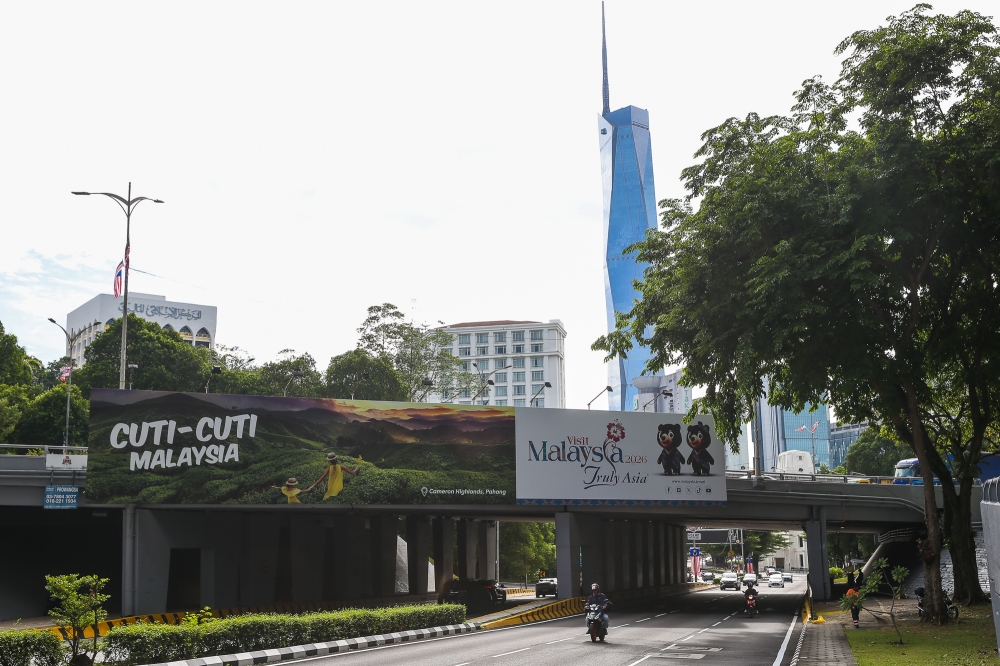
“By making ‘Cuti-Cuti Malaysia’ a more financially attractive option than increasingly expensive and volatile foreign travel, we can insulate our tourism sector from external shocks and ensure the absolute success of Visit Malaysia 2026,” said Sri Ganesh, who is also Malaysian Tourism Federation president.
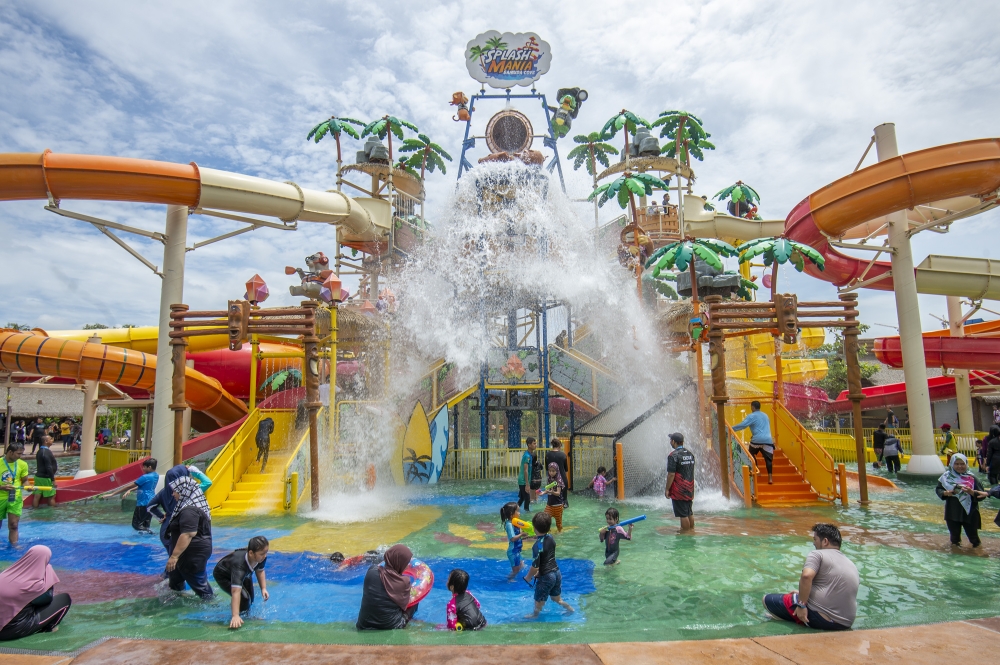
Under Budget 2026, a RM1,000 tax relief for Malaysians’ individual income tax for the assessment year 2026 only covers entrance fees for cultural and art programmes, as well as entrance fees for tourist attractions (such as museums, theme parks, national parks, marine parks, zoos and geoparks).
This tax relief is aimed at encouraging domestic tourism in line with Visit Malaysia Year 2026.
Previously, the Malaysian government had given a special RM1,000 tax relief for domestic travel expenses during the Covid-19 pandemic years of 2020 to 2022, namely for hotel stays; entrance fees to tourist attractions; and domestic tour packages from licensed travel agents.
Minimal impact on budget hotels now
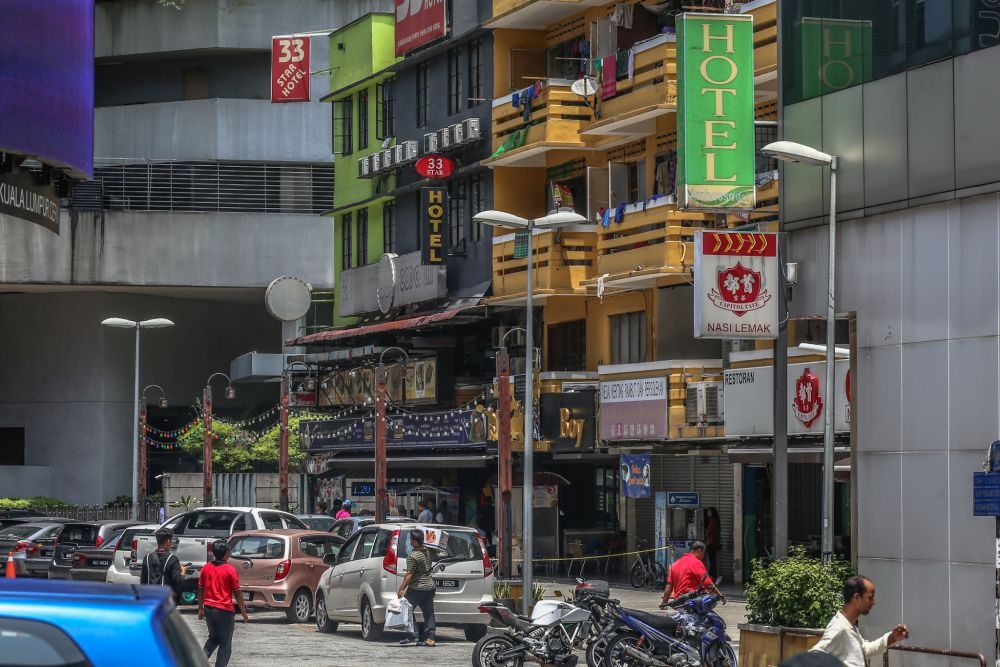
Sri Ganesh, whose association represents around 2,900 hotels rated three stars and below, said the Iran war’s impact on such budget hotels “remains minimal” for now.
“At this point, MyBHA members have not observed any significant or immediate drop in hotel bookings from overseas tourists directly attributable to the Iran conflict,” he said.
He said budget hotels’ occupancy levels have remained relatively stable as it is largely supported by domestic travel and regional visitors especially from the Asean region, with any minor fluctuations falling within normal industry patterns.
Budget hotels may be less exposed to impact from the conflict, in comparison to four-star and five-star hotels that generally rely more on long-haul and premium international travellers, he said.
He noted that Middle East budget travellers also often opt for short-term rental accommodations (STRA) as their preferred choice, and typically only turn to hotels when there is limited availability of STRA.
Possible moderate impact on hotel bookings in future
If the Middle East conflict continues or escalates, Sri Ganesh said there could be a “potential marginal decline” in budget hotel bookings by overseas travellers, especially from regions that are located closer to or have travel links to the conflict area.
If there is any impact on budget hotel bookings, it would likely be more visible over the next one to three months, depending on global travel sentiments and airline adjustments, he said.
“Any potential decline is expected to be moderate and manageable, with occupancy rates possibly dipping by three to five per cent in selected locations,” he said.
He said any impact on hotels’ revenue would depend on location and market mix, but concluded that “it is not expected to significantly disrupt the industry at this stage” as a whole.
Based on Tourism Malaysia’s data for the entire year of 2024, Kuala Lumpur easily stands out as the location nationwide which has the most number of international hotel guests at more than 12 million – which might also mean that it is more exposed to any potential drop in overseas tourists.
This is followed by Selangor, Johor and Penang which each had more than three million international hotel guests, and Pahang and Sabah which each had more than 2.9 million such guests for 2024.
He listed five examples of factors that could affect hotel bookings:
- Adjustments to international flight routes and frequencies;
- Increased fuel surcharges leading to higher airfares;
- Currency fluctuations and rising global living costs;
- Perception of regional safety and geopolitical stability;
- Travel advisories issued by foreign governments.
“It is important to note that Malaysia continues to be perceived as a safe and neutral destination, which works in our favour,” he said.
Strategies to cope with any potential impact
Amid the ongoing conflict, Sri Ganesh said local hotels are adopting a proactive and diversified approach, including by strengthening domestic tourism campaigns and targeting travellers from unaffected regions such as Asean or Oceania.
He said hotels will also offer value-driven promotions and flexible booking policies such as allowing free cancellation up to 24 hours before the stay; and will also use digital platforms and online travel agencies to reach wider audiences.
He said hotels are also enhancing service quality and guest experience to encourage repeat visits, and will also explore corporate and long-stay clients to keep occupancy rates stable.
For example, hotels could enter into agreements with companies to offer corporate rates for year-round stays or offer volume-based discounts for frequent bookings, he said.
Hotels could target sectors such as construction, logistics, oil and gas, manufacturing and project-based teams, he said.


