


KUALA LUMPUR, Aug 22 — Did you know that about 180 million people use generative artificial intelligence (AI) daily, and more than 20,000 AI-generated songs are uploaded to streaming platforms every day?
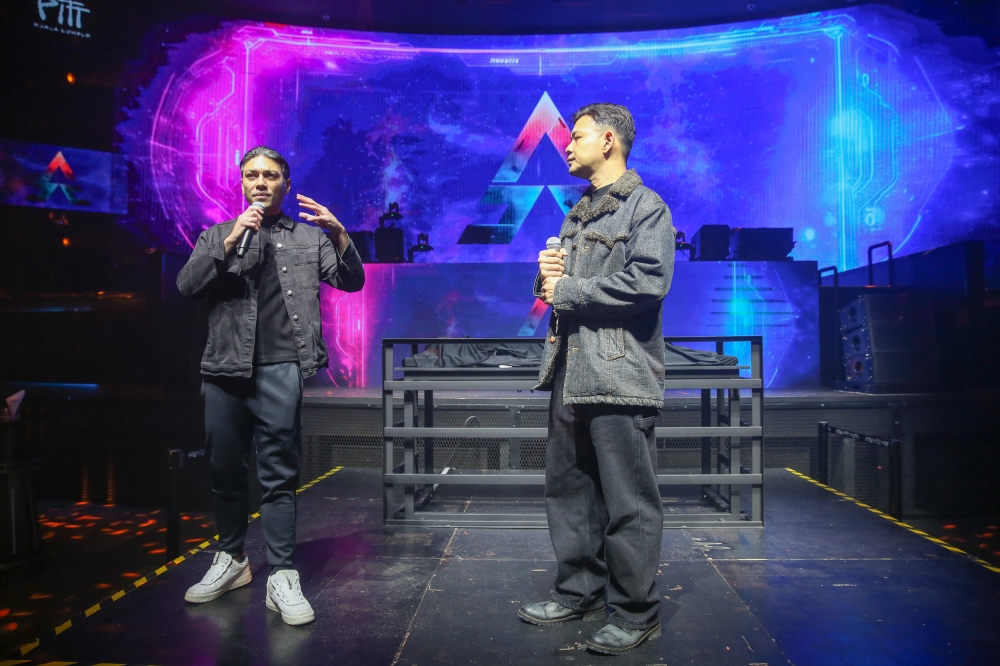
Last night at Pitt Club KL was a reflection of this new era, as Asia’s first AI band, The Alice Experiment, made its debut.
Blending pop rock with Korean-inspired tunes, the group features four virtual members – Alice, Tae, Kai and Rumi – and was brought to life by Raz Gabriel Sho, who helms the creative process, and LOL Asia CEO Rizal Kamal, who oversees business and marketing.
Building the band
Raz and Rizal told Malay Mail that a wide range of tools went into the project.
“There were about 15 software programmes used to bring The Alice Experiment to life,” he said, explaining that some created the characters and animations, while others handled movement and personality on screen.
“We’re constantly testing different engines.
“We haven’t found the tool that says ‘this is the tool’, because each of these tools is competing with the others to see which can produce the best,” Rizal added.
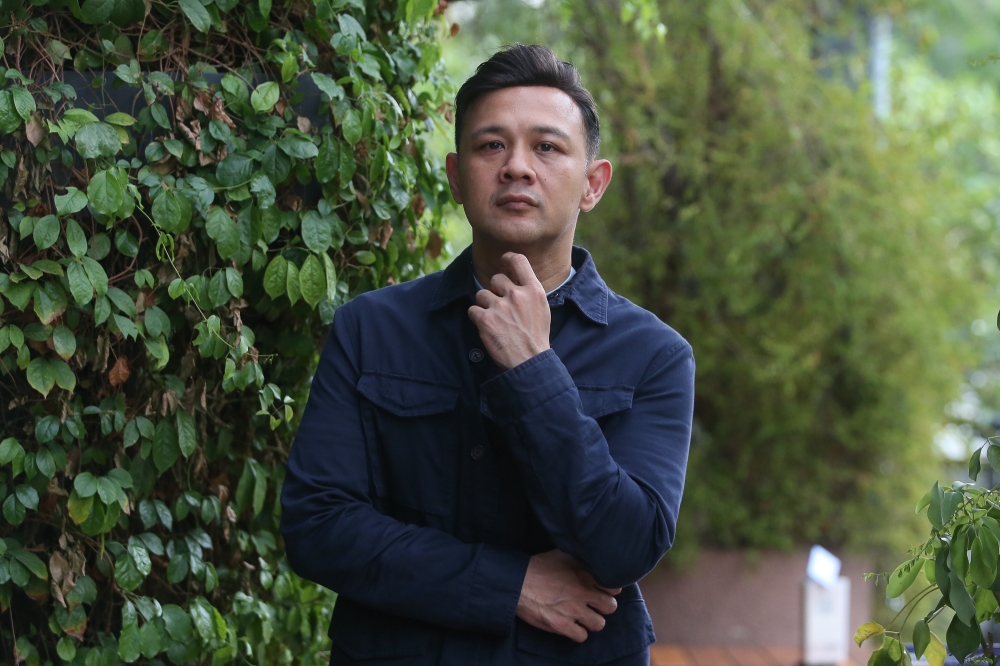
Raz wrote the songs himself before feeding them into an AI music tool that could interpret emotional themes such as pain, sadness and heartbreak – recurring elements in his lyrics.
Rizal stressed that AI doesn’t “steal” existing songs.
“What AI does, it doesn’t take people’s work. It is trained on people’s work and it’s very similar to how we listen to music. The human mind learns the same way, but AI does it a million times faster. It’s not really fair to say AI is a thief. It learns by listening and studying different types of music created by humans,” he said.
The challenges, and scepticism
The team admits the process isn’t without hurdles, from costly software to constant updates. But the toughest obstacle, they say, is shifting public perception.
“It’s really hard to break through and get people to fully accept AI, at least not at this stage,” Rizal said.
“We’re pioneers, and with every new technology, this kind of resistance is expected.”
He argued that while AI assists the process, human input remains critical.
“Human creativity should remain human, but what society doesn’t understand is that the amount of input from one person is actually quite substantial for the AI to function. In that sense, it’s a fusion of human creativity.
“Creating AI is what we call ‘method prompting’; it’s the method we use to truly dive into the creative process,” he said.
For Rizal, this “true collaboration” means AI isn’t replacing musicians.
“This creation is 50 per cent AI and 50 per cent human,” he said.
Threat or opportunity?
Asked if AI bands endanger traditional musicians, Rizal was clear.
“With every evolution or leap in technology, musicians have two choices: they can jump on the AI bandwagon, learn how to use the tool, and express themselves through it. Or they can go the other way and remain traditionalists as both paths are viable. It’s finding what works for you.”
He added that most listeners – around 70 to 80 per cent – cannot distinguish between AI-generated and traditional music.
“At the end of the day, it’s about how the song, band, and story relates with the listeners, and that’s what we want to do, relate our story,” he said.
Rizal also hopes aspiring musicians won’t feel sidelined by the rise of AI.
“What can I do as a young musician in this evolving space?” he urged them to ask, encouraging them to explore AI as a tool rather than view it as a rival.
Looking ahead
Rizal believes acceptance will grow, drawing parallels with the early resistance to digital cameras.
“Traditional photographers used to hate digital cameras. At one point, there was a big war against it. And now everybody is using it. That could be the way AI bands are going as well. We just have to wait and see,” he said.
For now, The Alice Experiment has come to life – and its creators envision a future where its characters may even become sentient.
Where it goes from here remains uncertain, but Raz and Rizal are clear on one point: society should be ready to embrace this bold new experiment.


