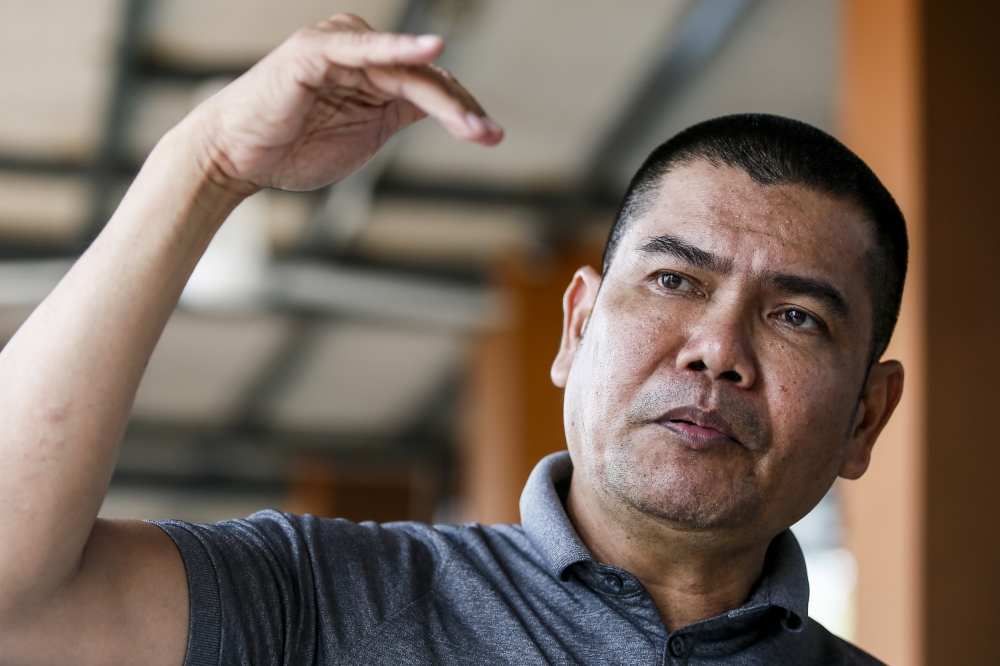







SEPTEMBER 25 — Randall was born in Kuala Lumpur but as a third culture kid saw too little of it till last year when he moved back. A teenager trying to make sense of a past he never had. In our last coffee session, he asked a peculiar question. It was from an online debate he was following.
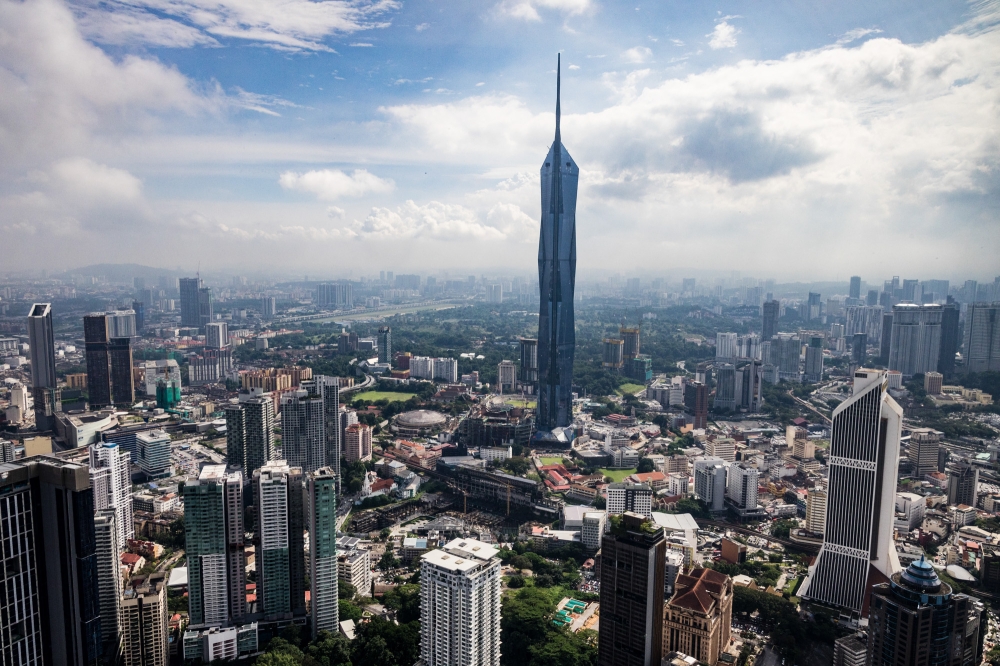
From it, he opined: “It is a misstep to put the Maybank logo at the top of the Merdeka 118 Tower. The architecture physically expresses the declaration of independence in 1957, above the original site. It diminishes its stature.”
Three things strike me, having listened to him.
Brand it, and they will come (not)
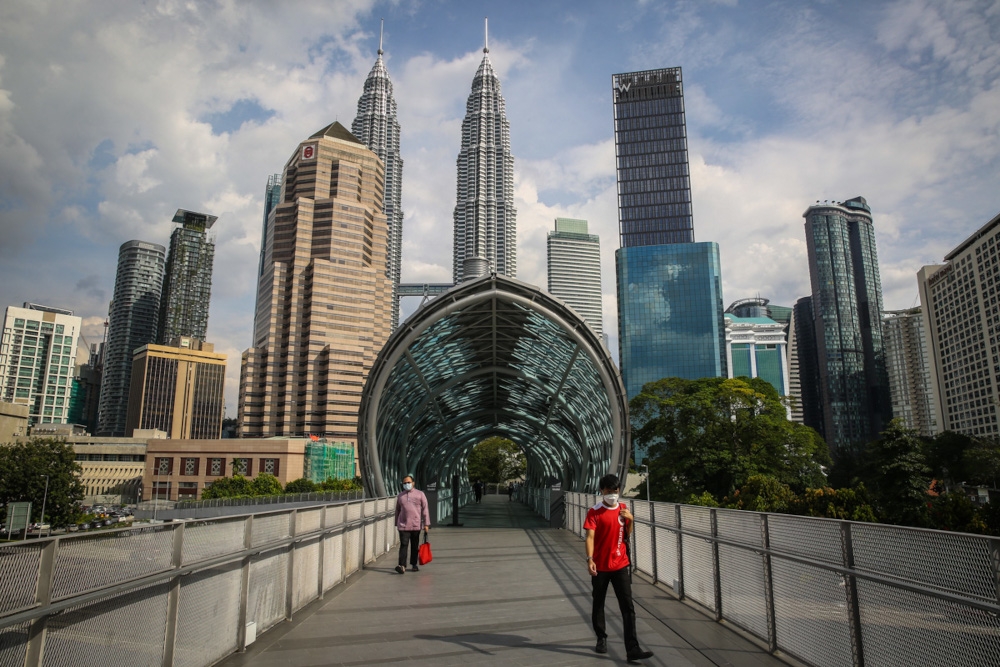
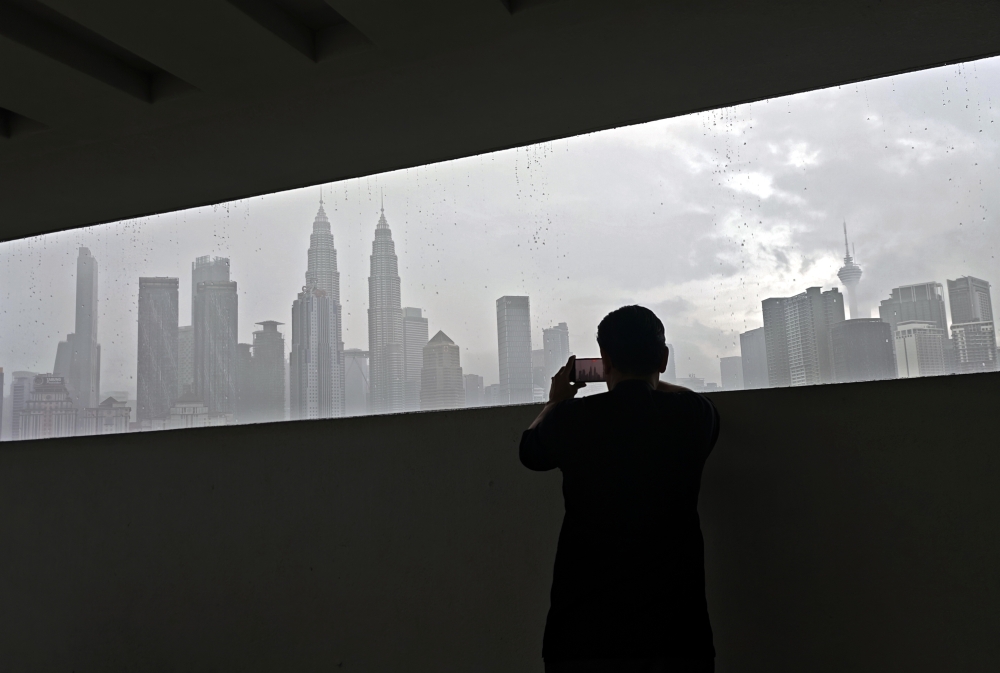
Half the tourists who leave Kuala Lumpur take home at least one souvenir — T-shirt, plaque, keychain, umbrella or crystal ball — with the Petronas Twin Towers’ theme. It’s synonymous with the capital and mentioned as a must-see.
Though more than a quarter century old, and only ranked 17th in the world, it remains a key attraction.
Will Merdeka 118 in a trot overtake the old twins? Are tourists set to converge daily around it rather than around KLCC? Will Jalan Stadium, Hang Jebat (Davidson) and Maharajalela (Birch) struggle to cope with illegal parking, when the building completely goes neon at night?
We do not know.
What is certain, folks will continue to discuss architectural merits because as much as it is private property and the owner leases to a bank branding rights along with occupancy, because folks feel buildings which represent their country cannot ignore the public’s feelings.
For full disclosure, PNB, the building owner, is also a key shareholder of Maybank. The prime minister chairs PNB.
Architecture turns hideous if not maintained, and a 118-floor structure with a gigantic parking city underneath it with multiple exits racks up bills. Now that Malaysia has it, Malaysia via PNB has to upkeep it.
The twin towers and Merdeka 118 hold a value proposition for tourism and prestige, and as much as experts in their underwear sitting in their living rooms inundate discussion rooms, let’s sympathise with Petronas and PNB as they have to plough on to pay for the prestige enjoyed by all.
A million to object, millions can forget
Time really does heal wounds. Well at least makes us forget about them.
When Prime Minister Najib Razak delivered his second Budget, there was an uproar. It was the 2011 budget presented in Dewan Rakyat on October 10, 2010. A Friday. He announced the plans for a 100-storey skyscraper costing RM5 billion in the Merdeka Stadium zone.
A Facebook page “1M Malaysians Reject 100-storey Mega Tower” was launched and in around 48 hours gathered 100,000 fans. Within a fortnight, 200,000 had joined. It was the rage. It left a bitter taste for the Najib administration.
For the page transmitted news other than about the proposed skyscraper, it was a repository of news critical of the government.
The discussions about the 100-storey building that went up to 118 were savage.
DAP’s granddaddy Lim Kit Siang said “young people will be very turned off by Najib’s arrogance and indifference to their views.” While radio disc jockey, then Rembau MP Khairy Jamaluddin asked the government to “come up with a strategy that addresses some of the concerns.”
In my The Malaysian Insider column on October 27, 2010, my objection stood as such: “Building a RM5 billion tower without investing in our people just means more of our working-class kids with no social mobility thanks to a stagnant education system end up as guards, cleaners and food servers in that skyscraper.”
I wonder how much of that factor today, and how hundreds of thousands who objected to it 15 years ago still feel about it today?
Will the man eventually win by just outwaiting us? They did in a way, construction only kicked off four years later due to the brickbats.
The argument that it is PNB’s money and not taxpayers’ money is flimsy since it is a government vehicle. The investment company can maximise value for the fund investors or champion social good as a government arm.
In this case it really did neither. It cannot ignore the opportunity cost of spending money on a building which is set for low occupancy, a sinkhole from hereon. Not to mention the empty Maybank tower they leave behind on Jalan Tun Perak (Mountbatten).
Randall was about eight months old when Najib announced it. There is no remembering for him, and those from his generation.
But his style concerns rather than over the functional use of the state apparatus reminds us of our folly not to erect institutional memory for the next generations to know. It is so easy to forget.
Such lofty ambition
The Twin Tower souvenir reference is actually self-criticism.
Tall buildings have the natural advantage that they do make us look up at them. But do we look up to them?
National symbols, the physical embodiments of countries, conjure up sentimentality, and through them outsiders, these tourists can see the countries. A people’s history, achievements, characteristics and ideals.
Cambodia’s Angkor Wat, Indonesia’s Borobudur and Philippines’ Intramuros (the walled city). The Mekong River’s majestic presence for Bangkok or the rice terraces in Bali or Banaue-Luzon. Our south-east Asian neighbours’ democratic monuments.
The venue needs to represent a memory or aspiration, even negative ones.
Malaysia skips the emotional train altogether. Our publicised attractions are either natural wonders generally unexplored or modern constructs. The river cruise in Semenanjung is in the artificial lakes of Putrajaya which has as much mystery as a boat pamphlet.
Our overemphasis on modern buildings to sell our worth does seem desperate.
A building can impress but it cannot be internalised.
Our lack of physical symbols speaks volumes about how we have gone about to identify ourselves as a people in the last 60 years and the leaders who have led us through the period.
The perpetual back and forth about who is Malaysian, or Malaysian enough, or what each Malaysian deserves, asphyxiates us.
That Petronas Twin Towers was designed by an Argentinean-American, and that one tower was built by the Japanese and the other by Koreans, and decades later Merdeka 118 designed by Australians and built by Koreans, when discussed might represent the state of Malaysia — managed and operated by foreigners.
But yes, we paid for them.
I did ask people, what are our symbols and they struggled to respond.
Here’s a way forward. The symbols are often physical manifestations of stories. Malaysia needs to own its stories, good and bad. Not remain a defensive country.
Whether it is the Larut War of the 19th century, or the Jesselton Revolt during Japanese occupation, there are symbols to build on. But because the narratives are not consistent with the “Malaysia preferred”, they are buried rather than studied.
There’s a word associated with countries only capable of displaying concrete superstructures to edify themselves: plastic.
* This is the personal opinion of the columnist.