


KOTA KINABALU, Oct 28 — The tourism industry is celebrating the significant RM3.5 billion allocated to the sector in Budget 2018, saying the investment would help the country achieve its ambition of being a high-income nation.
Malaysia Inbound Tourism Association (Mita) Uzaidi Udanis said the allotments for tourism would have a “high impact” on the industry and spur it towards achieving the targeted 36 million tourist arrivals and RM168 billion in revenue by 2020.
“The timing is right and this will definitely put us on the right track. The government has realised that (tourism) is a main booster for our economy when they created this Budget.
“They (also) announced Visit Malaysia Year 2020 just in time for us to promote and campaign,” he said.
Among others, he lauded the RM500 million allocation for promotional efforts, a RM100 million increase from previous years.
The added funds were vital to promote Malaysia as a tourist destination, he explained when saying these would make the country more competitive at exhibitions abroad.
“The increase for promotional activities is great and will make a difference for us. It is not cheap to participate in road shows and promote ourselves overseas.
“It is an improvement. We need more but this is an improvement,” he said.
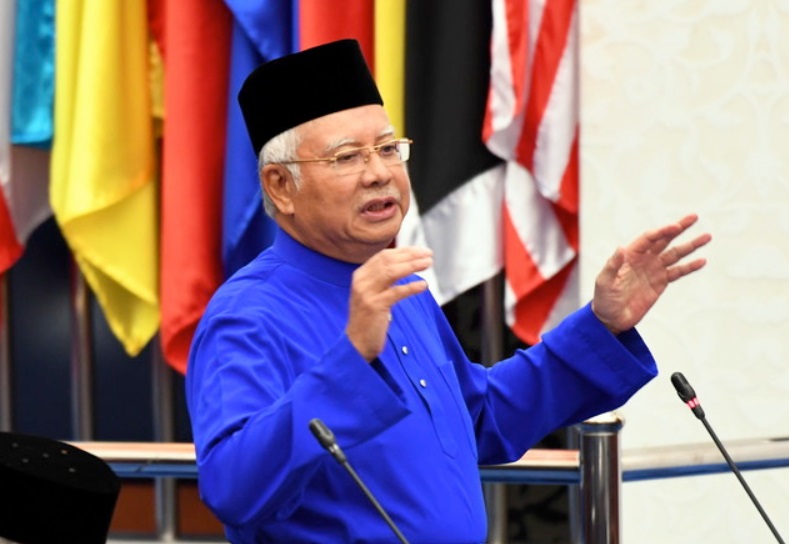
Prime Minister Datuk Seri Najib Razak yesterday also proposed a RM2 billion fund for soft loans to small to medium scale enterprises involved in tourism with a subsidised interest rate of two per cent, and RM1 billion for tourism infrastructure development.
The RM500 million would be directed towards promotional activities through improved tourism facilities, homestay and eco-tourism programmes.
Uzaidi said that the promotional activities were very necessary as the country has very unique experiences, but which were not well marketed.
He also commented on the timely effort to allocate RM30 million on medical tourism, which was another sector in Malaysia that was gaining ground but needed a boost to open it to newer markets.
“We have fantastic facilities here and are recognised as an American standard for medical tourism. We are well known among American tourists but we can open up to more markets. Even government hospitals are recognising this opportunity and opening up services to foreign patients which will help offset the cost of treating locals,” he said.
Uzaidi said that it was vital that the public also realise the importance of tourism to the economy and works towards preserving the nation’s image.
“People won’t come here if there is a war going on. We should be grateful that tourists are coming here, and we are the 12th most visited country in the world and not rock the boat,” he said.
Separately, Malaysian Association of Tour and Travel Agents (Matta) president Datuk Tan Kok Liang applauded the budget and the foresight to secure major events such as the Asia Pacific Economic Cooperation (Apec), Commonwealth Heads of Government Meeting (Chogm) and World Congress on Information Technology (WCIT) for 2020 to coincide with the Visit Malaysia Year then.
He said Najib responded well to the industry’s need for funds to build capacity and training.
“This is a good challenge for the tourism industry to be private sector driven. Improving fleet modernisation, infrastructure development in resorts, lodges, tour products and digital marketing,” he said.
“We had also asked for incentives currently given to inbound and domestic tour operators be continued and conditions eased to help new and small players, as many are Bumiputera companies. We are grateful that our proposal has been granted.”
Both Matta and Mita also lauded the announcement of eVIsa expansion into a regional hub, which they said would help Malaysia attract more visitors from countries with access to this facility like China, India and some countries in Africa.
“The upgrading of international airports in Penang and Langkawi, and domestic airports at Kota Bharu, Mukah and Sandakan will ensure greater comfort and convenience to air travellers,” said Tan
He also welcomed the allocation of RM250 million for Sabah’s Eastern Sabah Security Command (Esscom) to ensure the safety and security in the east coast of Sabah, which is currently experiencing an influx of China tourists, especially to Semporna.
“With the completion of the West Coast Expressway linking Banting to Taiping and making Lumut within 90 minutes of Kuala Lumpur, Pangkor's tourism is set for expansion and will now boom with duty free status like Langkawi and Labuan. But developments must be properly planned and controlled, and pristine parts of the island maintained for tourism to be sustainable, as the island is much smaller than Langkawi or Penang. It is a haven for ecotourism.”
“We are grateful to our prime minister for granting the incentives and funding needed to spur the growth of our tourism industry, and will forward new proposals for the next budget to meet fresh challenges ahead,” said Tan.


