


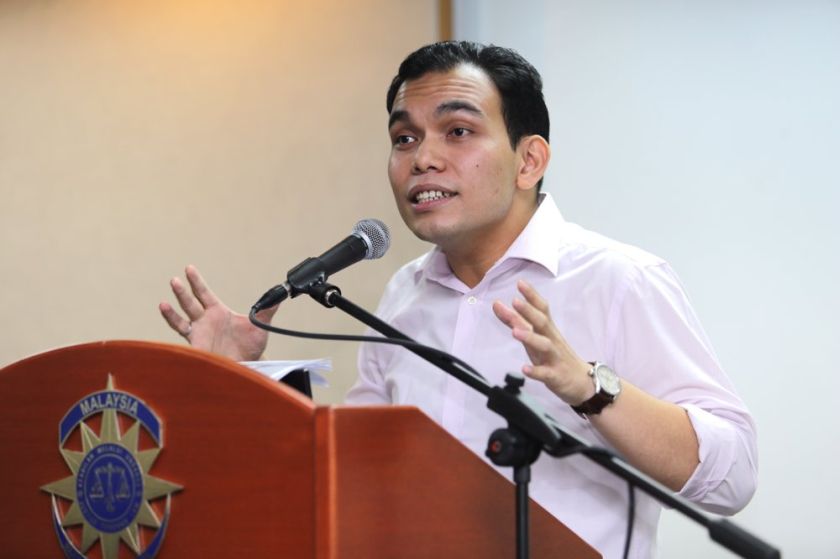


PETALING JAYA, July 15 — Human rights lawyers claimed the call to place curbs on social media in the wake of the Low Yat Plaza incidents was an attack on an important public platform and that existing regulations were sufficient.
Human rights lawyer Melissa Sasidaran said the riots that ensued did not constitute a national security issue and therefore did not justify restrictions on social media.
“There are enough laws in place to haul anyone inciting hatred or calling for violence through social media.
“The problem lies with those who incite violence, not the platform,” she said, adding the Penal code was sufficient to deal with them.
She said most Malaysians were mature and the disturbances at electronics shopping mall should not be an excuse to further regulate free speech.
“This was just an alleged petty theft that was racialised and blown out of proportion. They should not punish the rest of us over a few bad apples,” Melissa said.
Bar council member Syahredzan Johan said: “The freedom of speech that Malaysians enjoy means that some people will abuse it to incite violence.
“This is no longer freedom of speech.
“We already have laws in place to deal with that such as Section 505 of the Penal Code. There is no need to further regulate or restrict social media.”
Section 505 states that, whoever makes, publishes or circulates any statement, rumour or report with the intent to cause fear or alarm shall be punished with imprisonment not exceeding two years or a fine or both.
He said it was easy to discard liberties but difficult to recover them.
Lawyer Andrew Khoo said social media was an important outlet for the public to express themselves.
“Malaysia is like a pressure cooker now. Social media is the safety valve on it. Without that safety valve to release pressure, things could become explosive.
“Any laws regulating free speech risk driving legitimate dissent underground and this will have a very negative impact on the country,” Khoo said.
Other legal experts were reluctant to commit themselves, saying that an in-depth study needed to be conducted before making any change to existing laws.
A lawyer specialising in technology, multimedia and telecommunications, who declined to be named, said balancing security and freedom of expression was a delicate task.
“Yes. Social media gives the public a platform to voice dissenting opinions. However social media has its dark side.”
He said the platform could be easily abused to incite violence or highlight extremist views which could spread like wildfire.
“But any such regulations must recognise and protect the rights of an individual’s freedom of speech. Though not at the expense of public safety and order.”


