


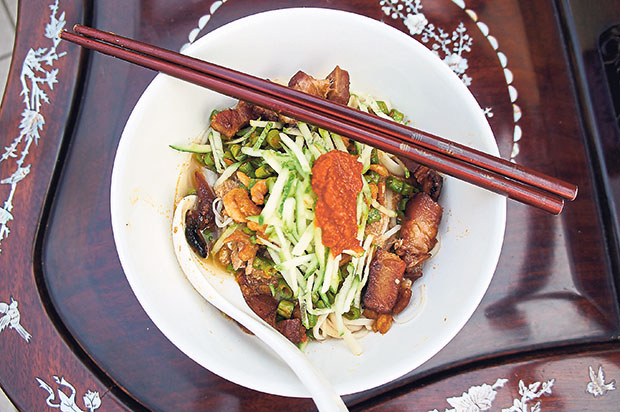
PETALING JAYA, July 26 — In Malaysia, there are many types of laksa. One of the most popular is assam laksa from Penang, which is a balance of sour, sweet and spicy flavours.
 A bowl of Penang assam laksa has smooth rice noodles (lai fun) served with a fish based stock made from mackerel, tart tamarind juice and laksa leaves. It is served with a topping of cucumber, pineapple, onions, torch ginger flower (bunga kantan), mint leaves and a spoonful of pungent fermented prawn paste.
I count myself lucky because my mother hails from Pangkor Island, which is just off the coast of Perak and we have our very own unique tasting assam laksa based on a recipe passed down from my grandmother.
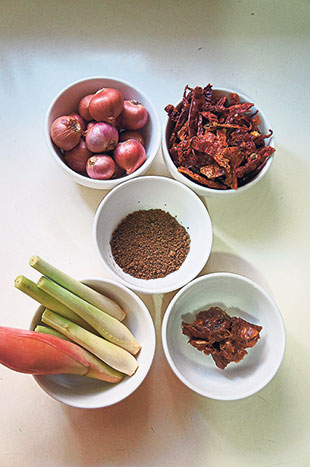
Similar to Penang assam laksa, the Pangkor version has a sweet and sourish taste as the broth is also made from mackerel, tamarind juice and laksa leaves. However, the spice paste is a little different, since it includes tamarind juice and bunga kantan. For the Pangkor assam laksa, it’s usually garnished with chopped long beans and dried shrimps.
The assam laksa also uses dried shrimps and belacan, since Pangkor Island is well known for its fresh and dried seafood products as fishing is a major activity on the island.
Every home or even laksa shop on the island has their own secret family recipe for assam laksa. Usually the broth will taste the same but the toppings vary depending on personal preference. Hence, you may find squid, char siew and even cockles when you order assam laksa on Pangkor Island.
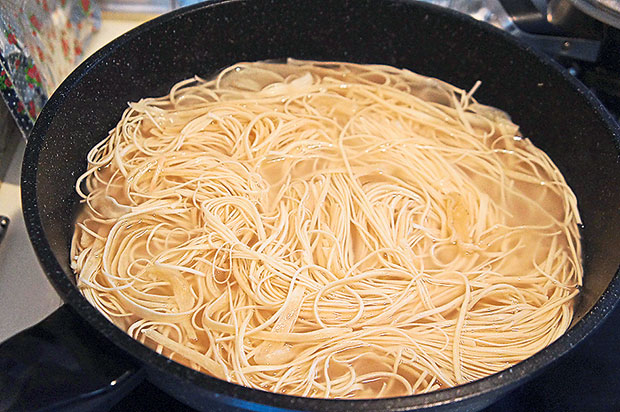
Another thing that makes Pangkor assam laksa special is the use of fresh white coloured Teochew noodles made on the island. Popularly known as peh mee (white noodles in Hokkien), these wheat noodles are made without any preservatives. As the noodles are handmade, the strands formed are not uniform in thickness and size.
The texture is similar to spaghetti but the taste is slightly salty compared to other noodles. Usually, we will buy the noodles from Pangkor Island and store them in the freezer to make the assam laksa here.
I often wonder why Pangkor assam laksa remains unheard of in the Klang Valley since assam laksa from Penang and even Sarawak laksa from East Malaysia is popular with many. Well, that might change now since I’m going to share my family’s secret recipe for Pangkor assam laksa. It is not the easiest of dishes to make, since it requires a lot of work hence I have asked my mother’s assistance to show me how to perfect the assam laksa.
In a way, this Weekend Kitchen edition is all about preserving a family recipe and also sharing with others what my family and I have been enjoying for years.
PANGKOR ASSAM LAKSA
Chilli paste
150 grams shallots, peeled
75 grams lemongrass
50 grams torch ginger flower (bunga kantan)
30 grams dried chillies, soaked in water
3 tablespoons oil
50 grams toasted belachan
40 grams tamarind pulp, soaked in 100ml water and seeds removed
1 tablespoon sugar
1 teaspoon salt
Assam laksa broth
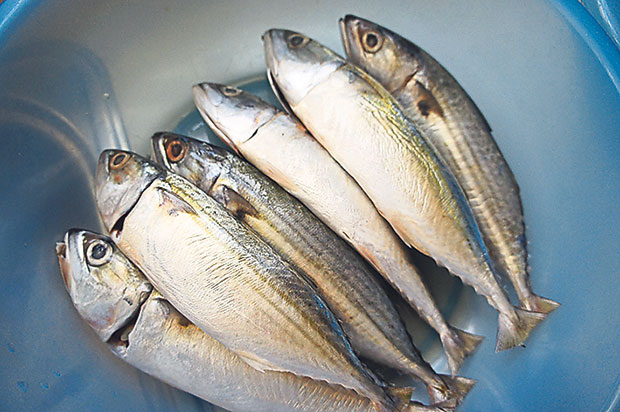
900 grams mackerel fish
3 litres water
190 grams lemongrass
150 grams torch ginger flower (bunga kantan)
250 grams red onions, peeled
10 sprigs laksa leaves (or as much as you want)
10 grams toasted belacan
60 grams tamarind pulp, soaked in 200ml water and seeds removed
Any amount of chilli paste, depending on your tastebuds
Toppings
50 grams dried shrimps
1 tablespoon cooking oil
300 grams long beans, chopped
Any amount of chilli paste, depending on your tastebuds
Laksa noodles
2 packets Teochew noodles
1 litre water
To prepare the chilli paste:
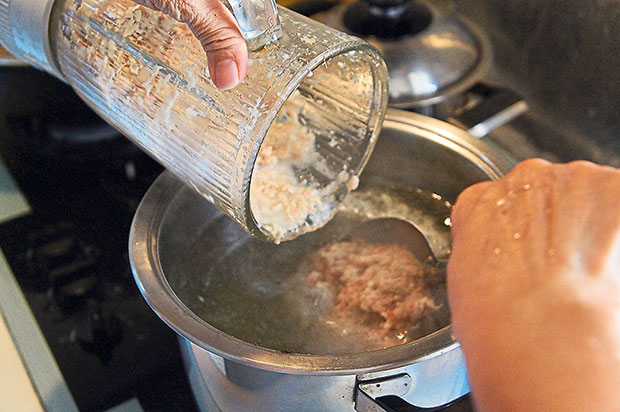
Roughly cut the shallots, lemongrass and bunga kantan and blend in an electric blender until it becomes a smooth paste. Drain the soaked dried chillies and add to the blender to process. Heat up a pot on the stove and pour the oil in. Once the oil is hot, add the blended ingredients and stir. Add belacan. Squeeze the tamarind pulp in the water until it is brown, removing any seeds and add the tamarind juice to the mix. Add sugar, salt and continuously stir the mixture over a low heat until the chilli paste is cooked and fragrant. Remove the chilli paste from the heat and leave to cool. The chilli paste is used for the broth and as a topping. It can also be stored in the freezer for later use.
To prepare the assam laksa broth:
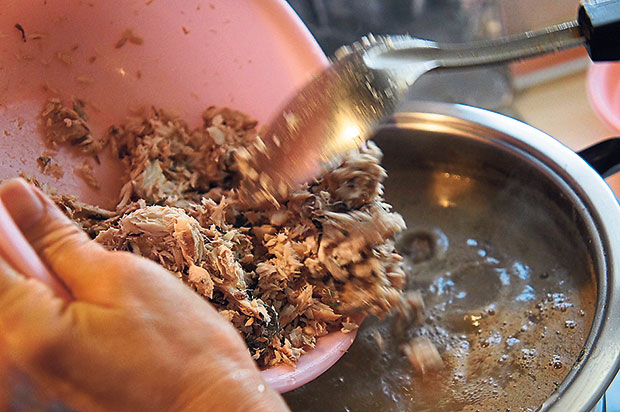
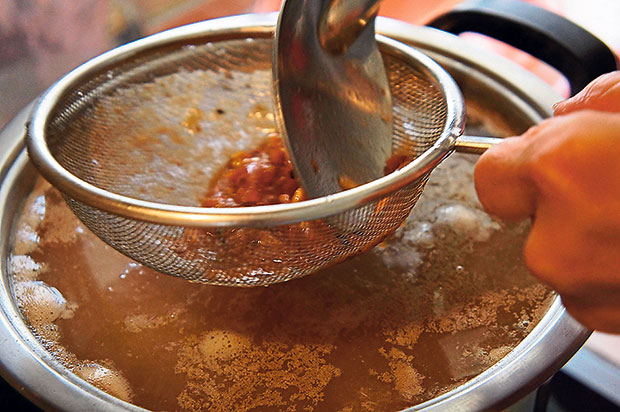
Gut and clean the mackerel. Bring the water to boil in a pot and add the mackerel. Once it is cooked, remove the fish with a sieve and set aside to cool. Retain the water in the pot. Flake the fish into small pieces. Chop the lemongrass, bunga kantan and onions into small pieces and blend into a smooth paste. Add the blended paste into the pot of water with laksa leaves, belacan and the cooked fish flakes. Squeeze the tamarind pulp until the water turns brown and remove any seeds. Add the tamarind juice and the chilli paste (according to taste) into the pot. Bring the broth to a boil, lower the heat and slowly simmer for an hour until it is cooked. Remove from the heat and set aside.
To prepare the toppings:
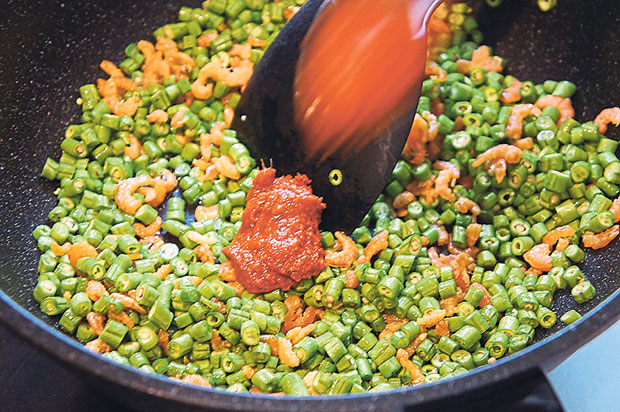
Soak the dried shrimps in a bowl of water until it softens. Drain the shrimps and set aside. Heat a pan on a stove and add oil. Once the oil starts to heat up, add the shrimps and stir fry. Add long beans and continue stirring. Lastly add the chilli paste, according to how spicy you want and stir fry until it is fragrant. Remove from the heat.
To prepare the laksa noodles:
Boil the water in a large pot and add the Teochew noodles when the water is boiling. Cook until the noodles become soft then drain the noodles using a strainer. Rinse the drained noodles under cold running water to remove the sticky starch on the noodles.
To assemble:
Place a serving of laksa noodles in a bowl and ladle hot assam laksa broth over the noodles. Add the toppings with a dollop of chilli paste. You can also add other toppings, like shredded cucumbers and chunky char siew slices.
Note: Teochew noodles can be replaced with spaghetti. Just cook it according to the packet’s instructions.


