


DEC 24 — As 2025 draws to a close, questions are growing louder across Malaysia and beyond: can the Sustainable Development Goals (SDGs) still drive real progress in a world grappling with economic uncertainty, environmental disruption, and widening social inequality?
Adopted by all United Nations member states on 25 September 2015, the 17 SDGs were designed as a shared global blueprint to end poverty, improve health and education, reduce inequality, and combat climate change by 2030. A decade on, scepticism is understandable.
Yet the more pressing question is not whether the SDGs are still relevant, but whether we are willing to act on them.
Malaysia is well placed to answer that question decisively. The SDGs were never intended to remain confined to policy papers or international summits.
Their success depends on how deeply they are embedded in communities, classrooms, and everyday life. Across Malaysia’s higher education sector, student-led initiatives are demonstrating how global goals can translate into local impact — driven not by obligation, but by purpose.
At Heriot-Watt University Malaysia, this spirit is evident through the EmPOWER Programme. Between 2022 and 2025, students raised close to RM350,000 in support of more than 20 charitable organisations nationwide. These efforts advanced multiple SDGs, including No Poverty, Quality Education, Reduced Inequalities, Good Health and Wellbeing, and Climate Action — not as abstract ambitions, but as tangible outcomes.
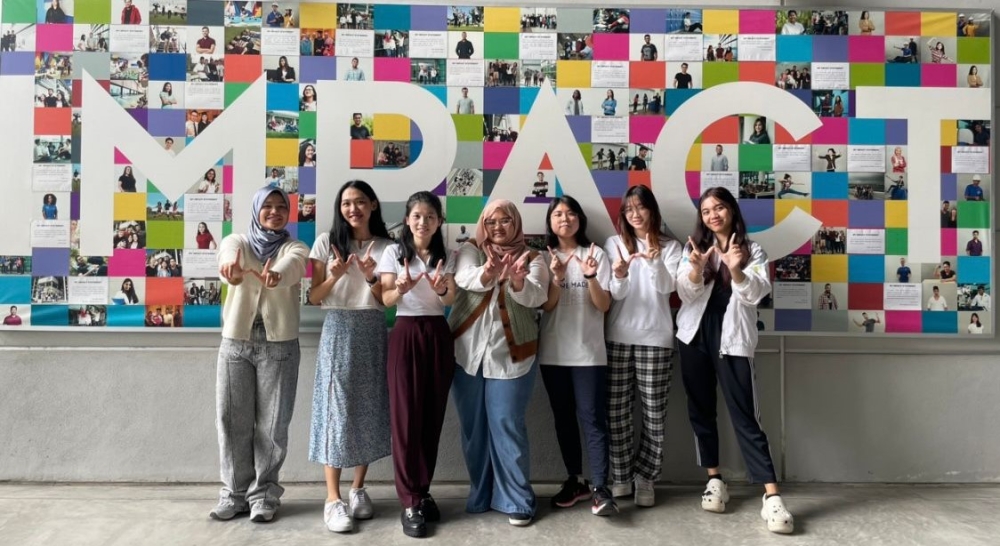
Education, poverty alleviation, and social equity have been at the heart of these initiatives, supporting SDGs 1, 4, and 10. Between January and April 2025, students raised over RM62,000 for organisations serving B40 communities and advancing poverty eradication in Malaysia.
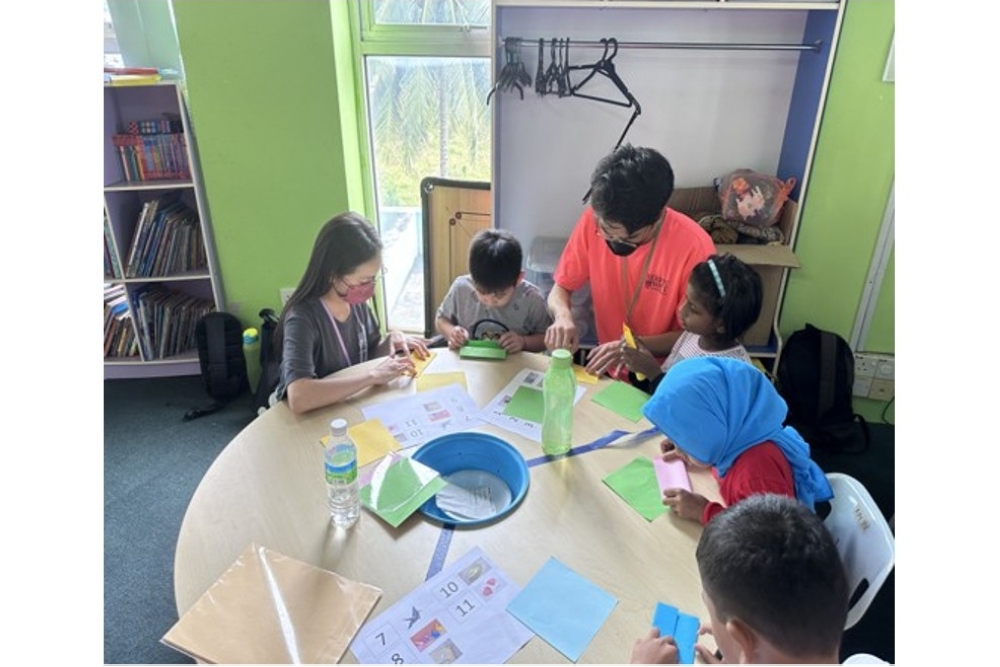
Beyond fundraising, they contributed through volunteerism, tutoring, literacy programmes, and skills development — empowering children and young people while building confidence, resilience, and hope. These efforts connect local action to global objectives, highlighting Malaysia’s contribution to the United Nations Sustainable Development Goals.
Students have also taken SDG 3, Good Health and Wellbeing, seriously, particularly in addressing mental health. Demand for mental health support has risen sharply since the pandemic, while stigma remains a persistent barrier.
Through awareness talks, community forums, and fundraising in support of the Malaysian Mental Health Association, students have created safe spaces for honest conversations. Their message is clear: mental wellbeing is a collective responsibility, and no one should face these challenges alone.
Environmental sustainability has emerged as another defining area of engagement under SDG 13, Climate Action. Motivated by recurring floods, landslides, and haze episodes, students organised campus-wide recycling campaigns, with proceeds channelled towards flood relief efforts.
Partnerships with the Global Environment Centre led to the planting of more than 100 trees in and around the Raja Muda Forest Reserve, contributing to ecosystem restoration, climate resilience, and public awareness of environmental stewardship.
Research consistently shows that student-led initiatives nurture civic responsibility and encourage long-term behavioural change. But beyond the data, what stands out is the sincerity behind these efforts.
With only five years remaining until 2030, Malaysia’s SDG leadership relies on collective effort. Universities, policymakers, businesses, and the media all play a vital role in turning evidence into action and amplifying stories of genuine impact, helping to transform pledges into meaningful progress.
The work of Malaysia’s students shows that sustainable development is more than a goal — it is a practice. Through dedication, compassion, and courage, they are turning global ambitions into local realities, inspiring hope and paving the way for a fairer, more resilient future.
*Dr Lee J. Peter is an assistant professor at Heriot-Watt University Malaysia
** This is the personal opinion of the writer or publication and does not necessarily represent the views of Malay Mail.


