


DECEMBER 2 — Malaysia’s path toward a high-value, high-growth economy is anchored not only in ambition but by execution. Reforms in ease of doing business - from licensing efficiency to digital adoption and talent mobility – have created the conditions for sustained investor confidence and inclusive growth.
The results are clear. According to the Malaysian Investment Development Authority, the country recorded a historic high RM378.5 billion in investments, a 14.9 per cent year-on-year growth, generating over 207,000 jobs in 2024.
As priorities under the 13th Malaysia Plan and Budget 2026 converge, one message stands out: Malaysia is stepping forward as a confident, innovation-driven hub for the region. Finance sits at the heart of this shift – linking policy with enterprise and translating national strategy into tangible growth.
Finance as the engine of high-value growth
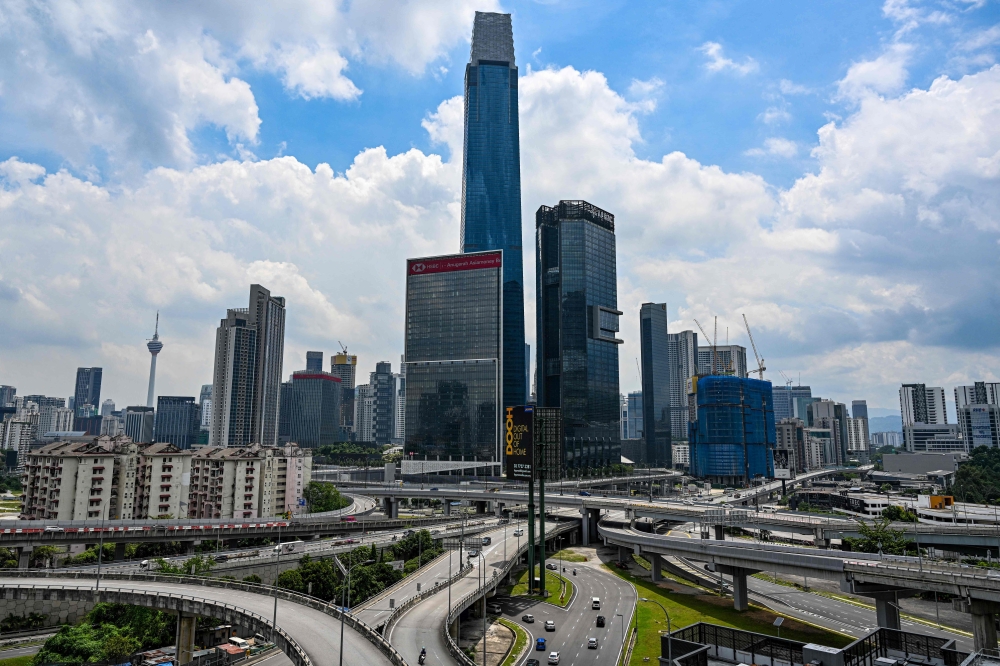
Bank Negara Malaysia’s Financial Sector Blueprint 2022-2026 highlights the importance of strengthening international linkages to build a more connected, competitive financial system. Tun Razak Exchange (TRX), Malaysia’s International Financial Centre (IFC), embodies that ambition by connecting Malaysia’s financial ecosystem with global markets, capital, and talent.
Financial powerhouses such as Singapore, Hong Kong, and Dubai demonstrate that strong financial ecosystems are more than economic drivers. They are multipliers of trust, efficiency, and innovation. Their success rests on conducive business environment, skilled human capital, and reliable infrastructure.
Malaysia is on that trajectory. A diversified economy, maturing fintech and Islamic finance sectors, and renewed investor confidence are strengthening the fundamentals. Kuala Lumpur has moved up to 45th place in the latest Global Financial Centres Index, ahead of other major regional cities. The index also shows strong progress in fintech – with Kuala Lumpur improving from 54th to 51st in fintech rankings.
Today, TRX hosts major global and regional institutions – HSBC, Affin Bank, MUFG, Prudential and Ant International – alongside technology firms, centres of excellence and professional services that are driving the next wave of financial innovation. It currently records over 80 per cent occupancy, comprising a strong mix of multinational and regional headquarters – underscoring Malaysia’s growing appeal as a stable, connected, and innovation-driven base within Asean.
This reflects the TRX’s role in positioning Malaysia as a launchpad for regional growth, supported by deep talent pools, strong connectivity and a pro-business environment.
More than 20,000 professionals now work within the district, a figure expected to double in the coming years as new investments materialise, illustrating how clear vision, robust infrastructure, and policy alignment can translate into real economic momentum.
Catalytic ecosystems that drive innovation
Malaysia’s financial leadership continues to be strengthened by coordination across its institutions, regulators, and innovators. With hubs such as TRX and Labuan IBFC advancing the nation’s global finance agenda – and new economic corridors like the Johor-Singapore Special Economic Zone emerging – the nation is building a connected, future-ready ecosystem that supports cross-border investment, talent mobility, and innovation.
In today’s economy, competitiveness is no longer measured by permits or procedures, but by how seamlessly capital, talent and ideas move within and across ecosystems. By integrating finance, technology, and community within a connected urban ecosystem, TRX represents how infrastructure can enable innovation – where collaboration is built into the very fabric of the city, making growth both more inclusive and more resilient.
Talent that transforms
Malaysia’s steady rise in the IMD World Talent Ranking, now 25th, reflects a workforce increasingly aligned with global demand. The financial sector is a key beneficiary, as institutions expand roles that blend finance, analytics, and sustainability.
In Malaysia’s financial centres, collaboration among banks, technology firms, and consulting houses is cultivating digital and ESG capabilities. This depth of human capital reinforces Malaysia’s reputation as a destination where high-value industries can scale efficiently and responsibly.
The upcoming Monash University Malaysia campus at TRX marks another milestone in advancing Malaysia’s competitiveness through education. Its presence will further embed knowledge, research, and innovation within the financial ecosystem, enhancing TRX’s role as a nexus for talent development and regional collaboration.
Partnerships with leading institutions such as the Asia School of Business (ASB) continue to strengthen Malaysia’s professional talent base and pipeline, equipping business and financial leaders with the skills to navigate emerging technologies and sustainability transitions.
Ultimately, talent is the most enduring foundation of any competitive economy. By creating an environment that attracts and retains skilled professionals, Malaysia enhances both its operational efficiency and its capacity for innovation.
Financial leadership for the next decade
Malaysia’s continued ascent as a financial and innovation hub rests on how well it connects policy foresight, capital depth, and talent capability. Its maturing IFC ecosystem now bridges these elements, linking public ambition with private execution, and providing the predictability investors seek.
As global dynamics evolve, Malaysia’s competitive advantage will lie in offering trust, seamless connectivity and the confidence businesses need to innovate and scale. By developing talent, enabling innovation and fostering institutional strength, the nation is building a high-value, high-growth economy - one built not only for business, but designed for life and the future.
* Datuk Azmar Talib is the CEO of Tun Razak Exchange (TRX).
** This is the personal opinion of the writer or publication and does not necessarily represent the views of Malay Mail.


