


AUGUST 15 — The recent elections have come and gone, leaving a mixed feeling of hope and disappointment among many.
While we applaud the successful candidates who emerged victorious under the Pakatan Harapan (PH) — Barisan Nasional (BN) coalition, it is disheartening to note the absence of Indian women candidates within this lineup.
In order to build a truly inclusive and progressive society, it is imperative that the voices and plights of Indian women are represented and addressed.
This article aims to shed light on the pressing issues facing Indian women in Malaysia and the importance of their political participation.
One of the prominent challenges faced by Indian women in Malaysia is the plight of single mothers.
These brave women tirelessly shoulder the responsibility of raising their children alone, often facing financial hardships and societal prejudices.
It is crucial for policymakers to recognise their struggles and provide the necessary support systems such as accessible childcare facilities, education assistance, and employment opportunities.
By ensuring equal opportunities and empowering single mothers, we can create a more inclusive society where they can thrive and provide a better future for their children
Indian women, like any other group, face economic barriers that hinder their progress. Limited access to credit, training, and job opportunities can perpetuate the cycle of poverty within the community.
Local authorities and policymakers should focus on creating initiatives that promote financial literacy, entrepreneurship training, and access to capital for Indian women.
Equipping them with the necessary knowledge and tools will enable them to break free from financial constraints and contribute meaningfully to the economy.
Malaysia’s workforce is diverse and relies heavily on the contributions of various worker communities, including Indian women.
Unfortunately, these women often face exploitative working conditions, low wages, and inadequate labour rights protection.
It is imperative for the government to strictly enforce existing labour laws and create avenues for fair wages and safe working environments.
By ensuring that Indian women workers are treated with dignity and receive fair compensation, we can foster economic and social justice within the community.
Political empowerment plays a crucial role in addressing the challenges faced by Indian women.
While it is disheartening that there was no representation for Indian women candidates in the recent elections, it is a call to action for the PH-BN coalition to redress this omission.
A greater emphasis should be placed on fostering political awareness among Indian women, encouraging their participation in decision-making processes, and creating a platform for their voices to be heard.
This can be achieved through grassroots initiatives, community dialogues, and targeted programmes that promote leadership development and political education.
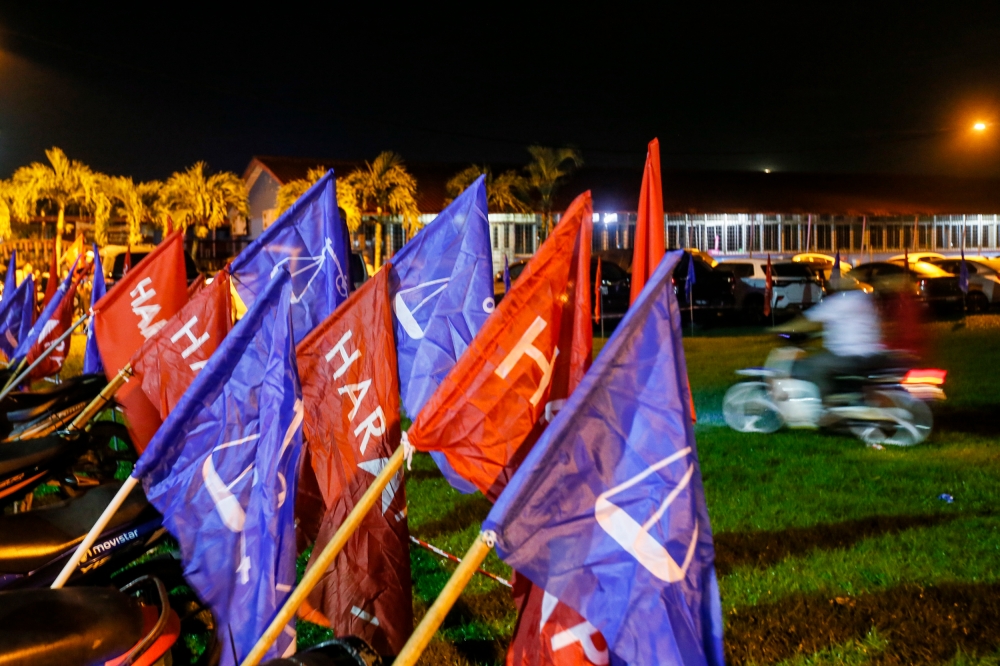
The exclusion of Indian women candidates within the PH-BN coalition is a missed opportunity to champion inclusive policies and represent the interests of one of Malaysia’s integral communities.
Moving forward, it is paramount that the coalition takes active steps to promote diversity and inclusivity by empowering Indian women.
By addressing the specific issues faced by this group, including single mother challenges, financial limitations, workers’ rights, and political awareness, we can collectively work towards a more just and harmonious Malaysia, where every individual has a voice and an opportunity to thrive.
* Puspavali Mahalinggam is a Klang Municipal Council member and Kota Raja DAP Wanita Parliamentary Liaison Committee member.
** This is the personal opinion of the writer or publication and does not necessarily represent the views of Malay Mail.


