


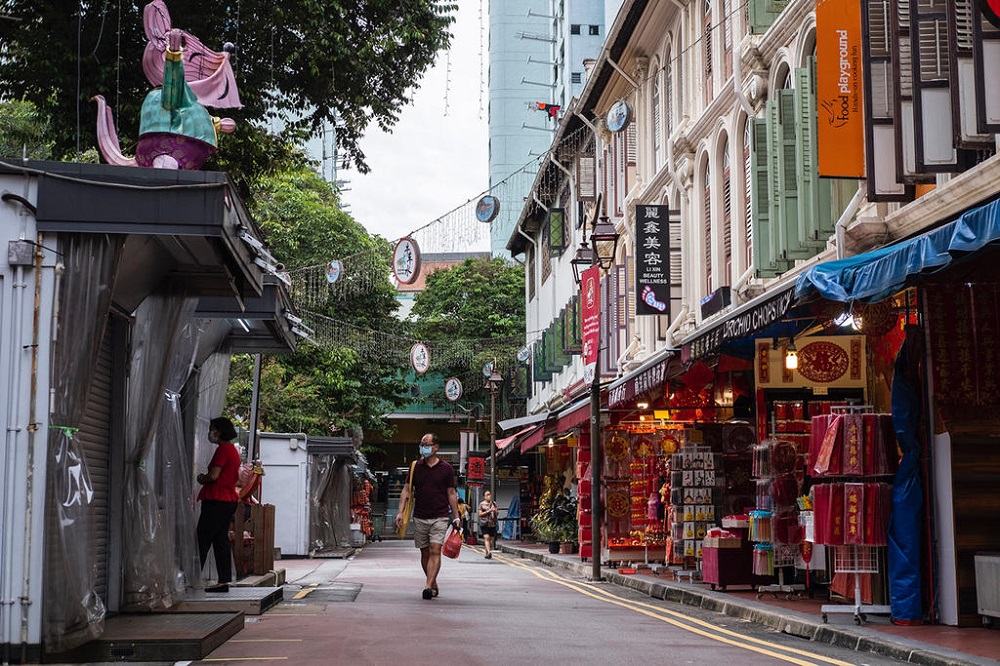


SINGAPORE, Jan 30 — For many businesses, the days leading up to Chinese New Year would usually see them raking in a tidy profit from the throngs of people heading down to the various fairs and bazaars across the island to either prepare for days of celebrations, or to just soak in the festive sights and sounds.
But as the world continues to be ravaged by the pandemic, these temporary marketplaces have either been cancelled completely or scaled down to prevent the breakout of Covid-19 clusters.
While some businesses told TODAY that they understood that public health takes priority, they added that the subdued festivities ahead of the Feb 12 ushering in of the Year of the Ox is still a dampener on their operations.
To cushion the impact, several said that they have taken their businesses online, even though they may not be technologically savvy.
One seamstress in Chinatown Complex hopes that a digital initiative in which she is participating can help boost her pandemic-hit sales.
Petrova Ang, who sells cheongsams at her stall Matsuzaki, said she typically depends on the spillover from the Chinatown bazaar crowd for patronage during this period.
In good years, some customers, she said, could purchase up to 17 pieces of her hand-sewn dresses in a single visit.
The cancellation of this year’s bazaar is a blow to the 58-year-old.
“I hope this online sales event can bring us some business,” said Ang, referring to an e-commerce website set up for Chinatown Complex.
The pilot, launched on January 16, allows shoppers to make online food, home decor or fashion apparel purchases from 20 vendors that operate within the Smith Street complex.
Other businesses around Singapore have made similar moves to establish an online presence in the lead-up to Chinese New Year.
E-commerce platform Lazada said the number of participating sellers in Singapore this Chinese New Year has nearly trebled from last year — with sharp increases in those selling festive essentials such as red packets and decorations.
Its competitor, Shopee, reports an even more dramatic increase in sellers offering similar products — up more than four-fold over last year.
Among the merchants that have made the digital pivot is seeds and nuts seller, King of Melon Seeds, which used to count on Chinese New Year fairs such as Chinatown’s bazaar to help drum up sales.
However, they foresaw that such large scale fairs would be unlikely to take place this year, and decided late last year to reach out to customers through online platforms such as Shopee and Lazada, said manager Rachel Ong.
Although the firm will still have small booths at the VivoCity and Takashimaya malls, they appreciate the large customer base that online shopping platforms offer.
While Ong declined to go into details, she said the online sales “have been very good” since they started, and added that they have also been able to attract new customers.
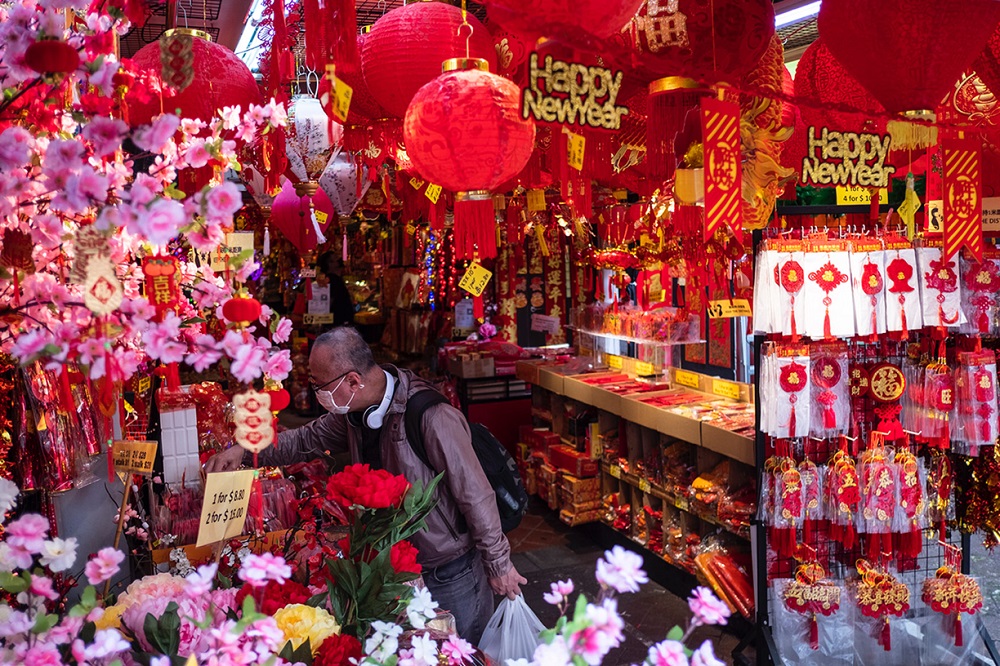
Yet, despite the benefits of going online, there is still a steep learning curve to overcome for some merchants.
Bakery chain Bake Inc said that it has predominantly focused on offline retail, and started digitalising their business only in the second half of last year in response to Covid-19.
Lorraine Aw, the bakery’s online sales and marketing manager, said that it would normally rely on the Takashimaya Chinese New Year Fair as its primary means to sell goodies such as its popular pineapple tarts.
Though the bakery is still taking part in a scaled-down version of the fair this year, Aw said that it will be focusing its efforts on online sales instead due to the limitations and challenges brought about by safe distancing measures.
That said, Aw said that it will be tough for some of their employees to adapt to this new business model because they are either not technologically savvy, due to being older and unfamiliar with how mobile applications work, or unable to read English well.
Still, Aw appreciates that the onboarding process with Shopee in November last year was “easy”.As to whether this strategy will pay off, Aw said that it is “hard to tell” since the peak-sales period generally happens closer to Chinese New Year itself. “We can only say that (business) is very much slower.”
Hybrid celebrations
Businesses are not the only ones making the digital transition.
Some events, such as the annual River Hongbao carnival that typically attracts more than a million visitors each year, will be back this year in a hybrid format.
Given concerns over Covid-19, organisers said that it will also feature virtual elements, alongside the physical portions that will have an emphasis on safe management and crowd control measures.
More details about the iconic festival will be announced on Monday (February 1).
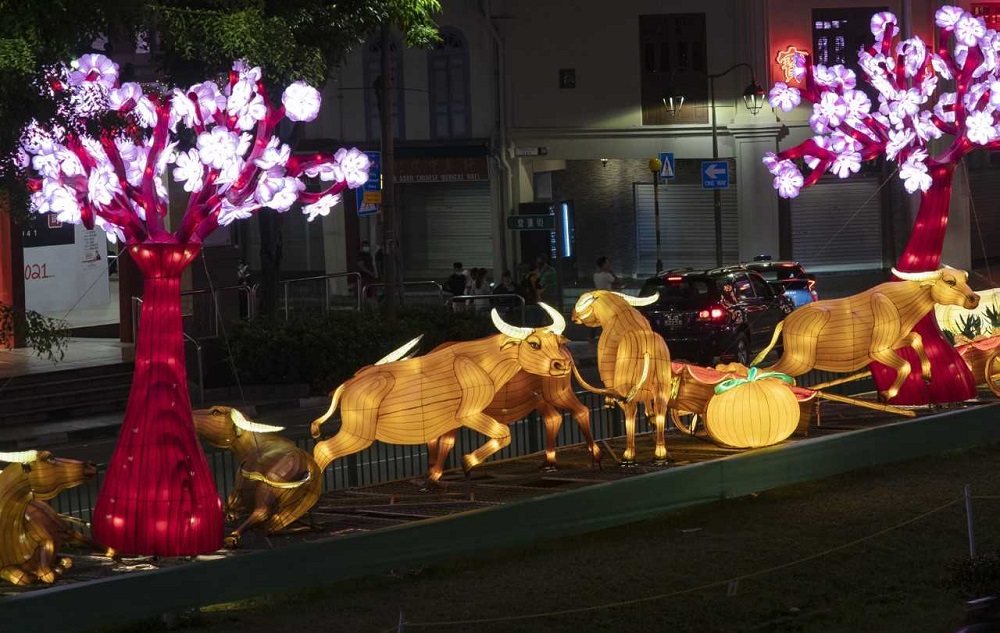
In a first, the annual Chinese New Year light-up in Chinatown was streamed live for people to watch in their homes on January 23.
While some Singaporeans said that they understood the need to hold celebrations differently this year because of the pandemic, they could not help but lament the break in traditions.
Irene Yeo said that she has visited Chinatown almost every year since she was young during the Chinese New Year period, and it felt strange not seeing the usual bazaar stalls this year.
“Hopefully, this will be the first and last time we experience this,” said the 62-year-old retiree. — TODAY


