


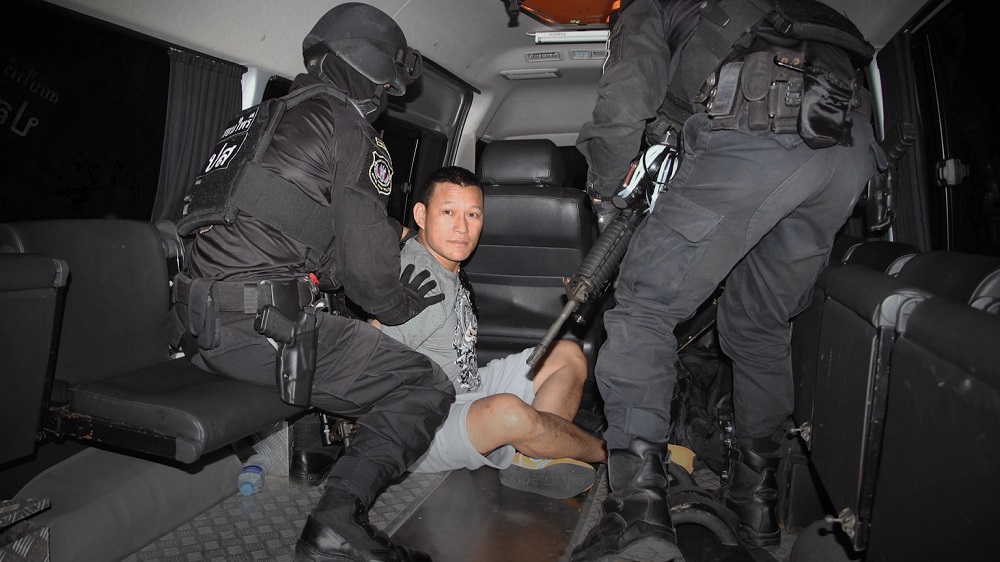


KUALA LUMPUR, Aug 11 — Television series such as Narcos played a vital role in cementing legendary drug figures like Colombia’s Pablo Escobar and Mexico’s El Chapo as pop culture icons.
But closer to home, Asia too has its fair share of similar personalities influential enough to spark robust debates on whether they were sinners or saviours, only that it has never been told.
Until now.
Enter Traffickers, the HBO Asia documentary that zooms in on the hidden world of drug production in the infamous Golden Triangle.
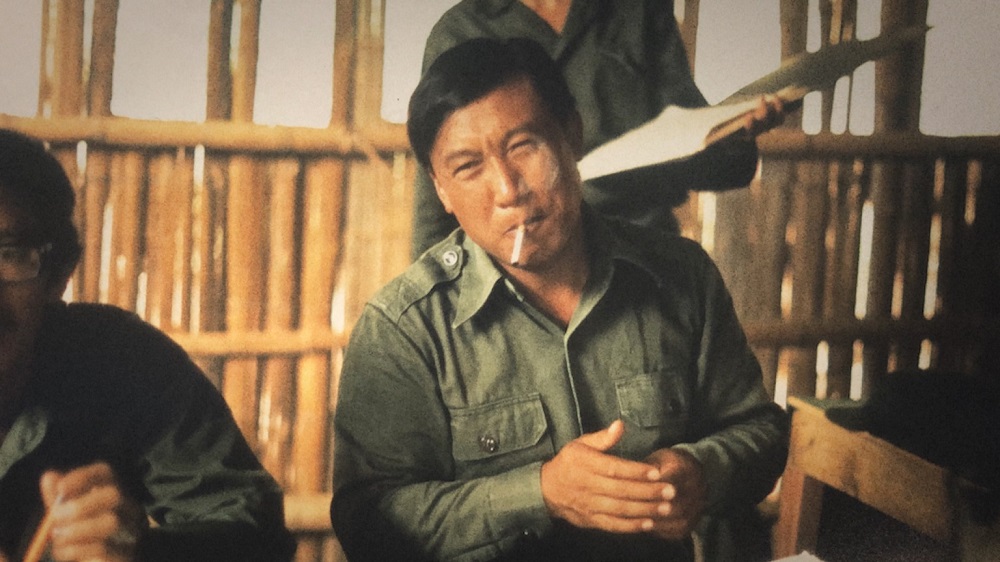
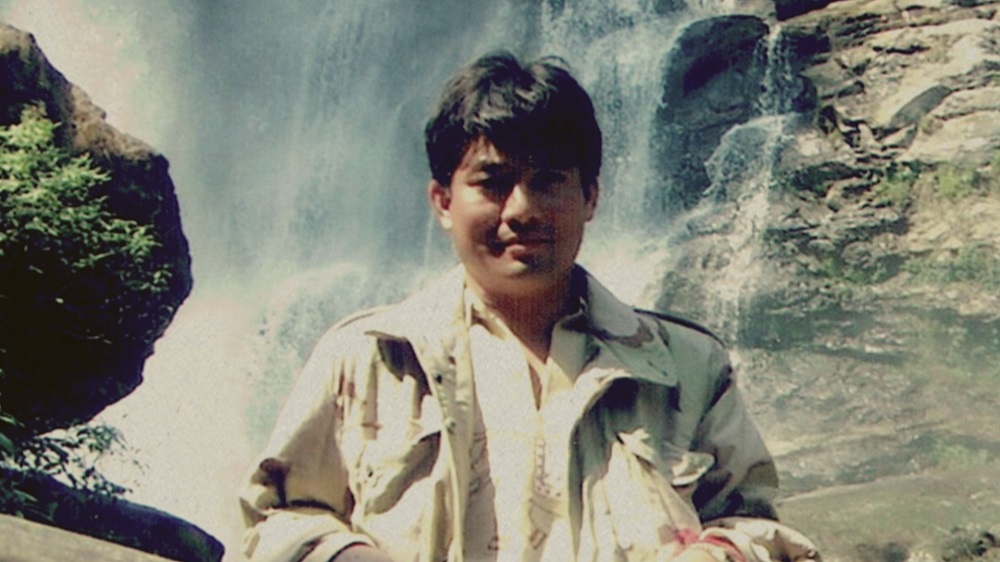
The eye-opening documentary exposes the secretive criminal underbelly of the illicit drug trade through three drug barons — the ‘Opium King’ and revered Shan army commander Khun Sa, the ‘Mekong River Pirate’ Naw Kham and the ‘Playboy Drug Lord’ Xaysana Keopimpha — who exploited drugs, war and violence to gain prominence.
For executive producer Dean Johnson and one of the documentary’s directors Steve Chao, the Golden Triangle is the biggest untold secret.
“Latin America kind of owned that space in the world TV market about drug barons but we’ve suddenly realised that our own triangle and our own region is actually a far bigger story and it’s never been told,” Johnson said in a recent video interview.

A story about the rise of Asia
The Golden Triangle refers to the advantageous meeting point of the borders of Thailand, Laos and Myanmar and the name is synonymous with opium-production since the 1950s.
Today, the territory is the top spot in the world for methamphetamine production for drug users across the globe.
Media reports estimate that the synthetic drug’s total trade in the Mekong sub-region is valued at over US$40 billion (RM170 billion) per year, a figure that continues to rise during Covid-19 as lockdowns have worsened addiction problems.
“It’s an incredible story of not only the drug industry but also the rise of Asia in so many ways,” said Chao, an award-winning and Emmy-nominated investigative filmmaker who is based in Kuala Lumpur.
“These people (the drug lords) all were able to read this incredible shift in economy that we’ve seen in the last several decades and the growing prominence of Asia as an economic hub.”
It took the filmmakers two years to make the three-part documentary with Chao going undercover, including posing as a gambler to get into the Golden Triangle.
Needless to say, it was a risky operation that involved rigorous safety procedures.
“It’s a dangerous thing to talk about in the region,” Johnson said.
“You don’t go pointing fingers at alleged drug traffickers, there are a lot of investigative journalists in different countries that have suffered when they tackle organised crime.”
Malaysia’s role in the illicit drug trade
Part of the series was also shot in Malaysia and the country makes an appearance in the third episode which highlights the drug kingpin Keopimpha’s key networks.
The Laotian playboy loved flaunting his wealth on social media that ultimately led to his downfall.
“He was always looking for avenues to traffic drugs and Malaysia, from what all the authorities were telling us from Malaysian authorities to Thai authorities, he had key pipes of trafficking down over the border,” Chao said.
The crew ended up going to the north to get in touch with some of the people Keopimpha worked with.
One of them had just been released from serving time in jail.
“We had been working with Malaysian authorities and we were given information that they believed this person was in this village.
“Unfortunately, by the time we got up there he had done a runner and disappeared,” Chao said.
What they managed to confirm was that Keopimpha’s network did exist and that the drug lord, who is now serving a life sentence, had contacts in Kuala Lumpur with illegal criminal underworld operators and elsewhere.
“A lot of the Malaysia contacts also gave us contacts in the Golden Triangle who we did end up talking to,” Chao added.
Exposing the region’s dark secret
Johnson compared the trafficking routes and the traffickers to Amazon and Lazada, saying the way illicit drugs are delivered and trafficked is unique just like an octopus’ tentacles, making it hard for authorities to trace their tracks.
“Forget Latin America, the profits that are made in the Golden Triangle are the highest profit margins anywhere in the world in drugs.
“It’s really difficult for law enforcement, it’s a tough undertaking to disrupt networks even if drug enforcement from various Asian countries come together,” Johnson said.
A former member of the UK’s elite Royal Marines Commandos, the takeaway of the film for Johnson is that society needs to help those with addiction problems through creating an awareness of the region’s dark secret.
“There are healthy questions to be asked about the role that all of us play in ensuring that we have good governance, that we tackle any perceived corruption, that we ensure we take care of poverty and the people that are suffering,” Chao added.
“Part of what motivates a lot of people in the Golden Triangle to work for these superlabs is because they need to feed their families.”
The way of drugs may be a quick route out of poverty for some, but in exploring the dichotomy between folk hero and ruthless criminal through the likes of Khun Sa, Naw Kham and Keopimpha, there is only one underlying message in the documentary.
“It was greed and the desire to want fast money that made these people decide not to care about their impact on human lives,” Johnson said.
“There’s no happy ending to being a drug trafficker, eventually you will be taken down.”
Traffickers: Inside The Golden Triangle is available on HBO GO.


