


BEIJING, March 15 — Shopping malls in major Chinese cities are seeing a rapid turnover of ground‑floor tenants as electric vehicle (EV) showrooms close and new brands move in to capture foot traffic.
In a report by South China Morning Post, property consultants said that mall operators in Beijing and Shanghai are replacing EV outlets with tenants linked to lifestyle, entertainment and experiential retail.
Property consultant Savills’ China head of research James Macdonald said “malls may also have become less eager to host EV showrooms than they were initially,” adding that operators are now prioritising categories that “drive more consistent consumer traffic.”
S&P Global Ratings Greater China property analyst Edward Chan said mall operators that adjust their tenant mix quickly are better positioned to protect rental income because tenant sales performance is closely tied to rental growth.
China Resources Land reported 10.4 billion yuan (RM5.9 billion) in rental income from its 125 mainland malls in the first half of 2025, which marked a 9.9 per cent increase from a year earlier.
The company also recorded 110.1 billion yuan in combined mall sales during the same period, representing a 20.2 per cent year‑on‑year rise.
Seazen Group posted 6.9 billion yuan in commercial operation revenue in the first half of 2025, up 11.8 per cent year on year, as it operated 174 Wuyue Plaza malls across China.
In the early years of China’s EV boom, brands such as Tesla, Nio, Xpeng and Li Auto opened mall showrooms to build visibility and credibility among consumers.
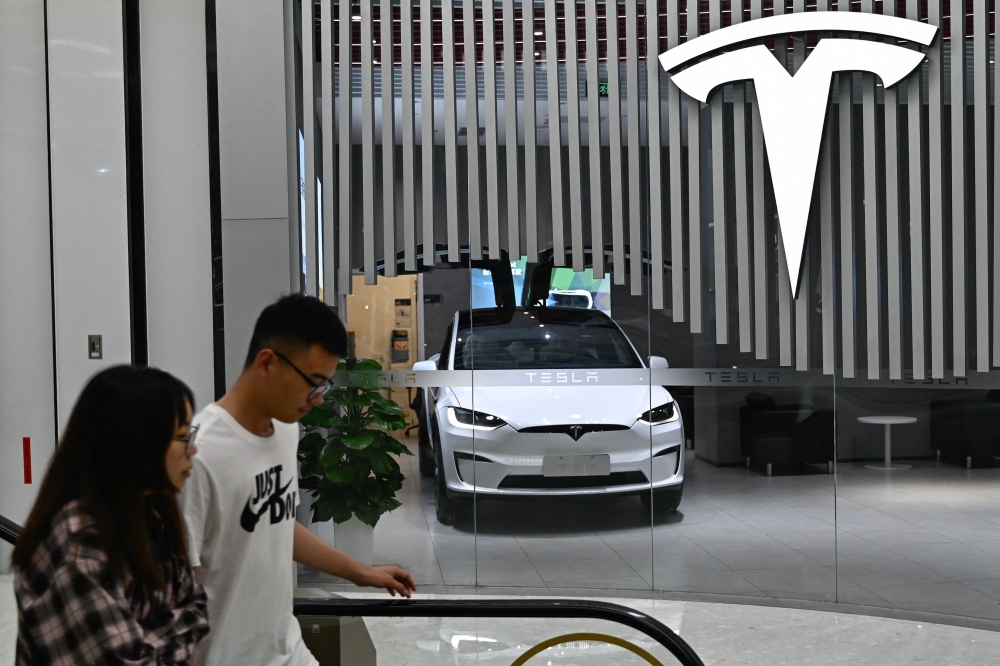
Analysts said many of these companies no longer rely on high‑profile mall space as the EV market matures and their brands become more established.
Macdonald said companies like Xiaomi and Huawei continue to display vehicles in malls because their retail strategy is tied to a broader ecosystem of smart devices and electronics.
Savills data showed that average monthly rent for ground‑floor space in Beijing’s high‑quality malls reached 746.30 yuan per square metre in the fourth quarter of 2025, slipping 0.3 per cent from the previous quarter.
Robotics start‑up Unitree Robotics is among the new tenants filling former EV showrooms, opening its first global store at Beijing’s JD Mall on December 31 as it prepares for a Shanghai Star Market listing.
The store features products such as the G1 humanoid robot, priced from 85,000 yuan, and the Go2 robotic dog, starting at 9,997 yuan, with some units performing movements and dance routines that attract large crowds.
Unitree Robotics chief marketing officer Wang Qixin said the store focuses on consumer engagement rather than sales and the company intends to expand its mall presence.
Macdonald said physical showrooms can help robotics firms “build brand recognition, showcase applications and generate public interest in emerging technologies.”
Canadian sportswear retailer Lululemon is also expanding its ground‑floor footprint in China, supported by a 46 per cent year‑on‑year increase in mainland sales during the third quarter of its 2025 financial year.
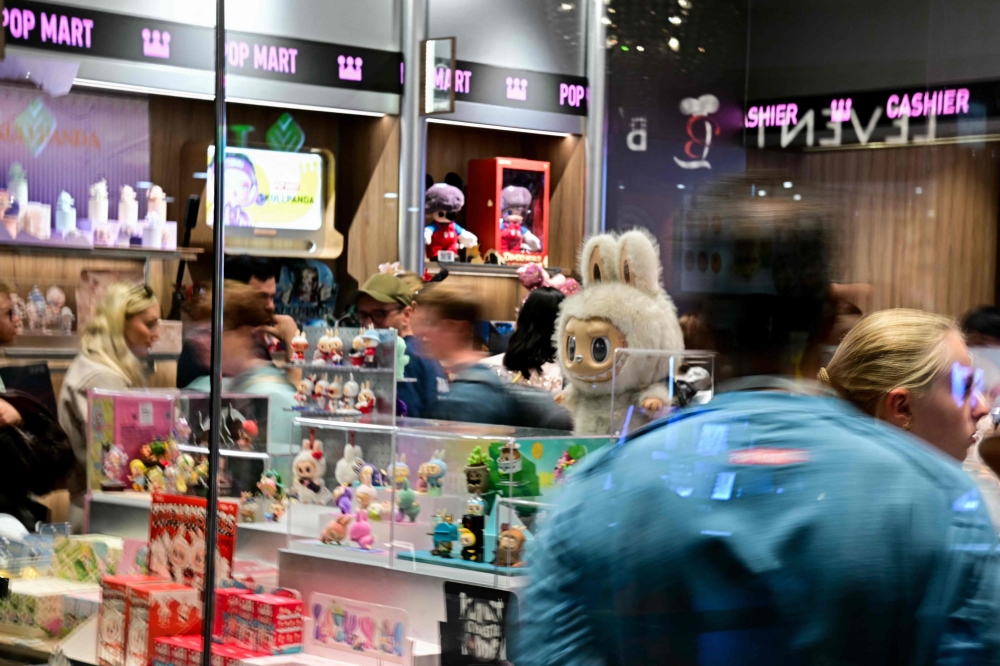
Hong Kong‑listed toymaker Pop Mart is opening larger‑format stores as well, including a new outlet on the first floor of The Central mall in Nanjing on February 1 that drew heavy foot traffic.
S&P Global Ratings China consumer analyst Sandy Lim said malls that adjust their floor space to match shifting consumer interests tend to draw more visitors, although she noted that “consumer interest often peaks over time, and adjustments to floor plans should be expected as trends evolve.”


