


KUALA LUMPUR, May 1 — It was a “bloody” miracle, and most of the credit, in the eyes of veterinarian Dr Shafiqah Nasruddin, belonged to Fluffy.
One evening in January, a concerned passerby brought in a bleeding, battered stray cat. His eyes had come out of their sockets after being hit by a car. He needed emergency surgery.
“It was a horrible night… it was just the two of us (the vet technician and me). We carried out the blood transfusion, and there was blood everywhere at the time,” she tells Bernama in the waiting room of the iVet Petcare Clinic at Sentul Point.
Luckily, Fluffy, the clinic’s five-year-old resident cat, was on hand to donate his blood. A half-Persian, half-Maine Coon mix, he weighs over 6kg and is healthy and vaccinated, making him an ideal donor.
Cats are not usually known for following instructions, especially when someone is drawing their blood, but Fluffy is the exception. Describing him as a “gentle giant,” Dr. Shafiqah says he remained calm during the procedure.
Blood transfusions are a routine part of veterinary care, but finding suitable donors is not always easy. Complicating matters, cats and dogs can donate blood only once every three months.
Pet owners may turn to their other pets, as long as they meet the criteria, or reach out to friends and family who have pets that could donate.
While Malaysia has no dedicated blood banks for pets, several groups have emerged to register animals as donors or connect them with those in need via website and apps. Beyond that, social media remains a key lifeline.
But time is usually of the essence, which is why many clinics in majority-Muslim Malaysia keep resident cats like Fluffy, who serve a dual role as emergency blood donors and sources of comfort.
“The stray would have surely died that night if I didn’t do the transfusion; if Fluffy hadn’t been there,” Dr Shafiqah says.
One man’s trash
It is a typical Friday night at the clinic, not too busy, not too slow. So far, three clients have come in with their cats. Most of the animals treated at the clinic are cats.
Fluffy (full name Fluffy Kassim) ambles over and flops onto the floor, seeking scratches and affection. His friend and colleague, two-year-old Ahmad Tabby, a hefty white-and-striped tabby with a kink in his tail, follows close behind, sniffing for treats. His sister, Princess Coco, also two and the smallest of the trio, swats playfully at Fluffy.
“She bullies Fluffy a bit,” says Muhammad Nazim Adil Sobri, one of the vet technicians at the clinic. His colleague Fatin Faizah Aidil Yushariza lures the small cat away with a feathery toy.
All three of the cats are blood donors, although Coco only donates blood to kittens, due to her size. Other than that, they provide emotional support to stressed out owners and abandoned kittens.
Fluffy is the nominal favourite. Customers, drawn to his size, fluffiness and gentle demeanour, like to pet and play with him. People living and working in the area often drop by to see him, offering him treats and cuddles.
All in all, it is a good life.
But it wasn’t always this way. Before becoming part of the clinic’s team, Fluffy had an owner. In late 2023, the owner boarded Fluffy at the clinic.
“He kept extending the boarding, saying he was outstation and so on, until he became unreachable,” says Dr Shafiqah.
Fluffy was also unwell then. Dr. Shafiqah says he had a severe bacterial infection, which required intravenous (IV) antibiotics for a month. He also experienced occasional diarrhoea.
She suspects the owner abandoned Fluffy because he did not want to pay for Fluffy’s care.
Despite his health issues, the clinic decided to adopt him. Over time, he recovered, his fur grew back and he gained weight. No longer withdrawn, he began playing with children at the clinic and with other cats.
Around that time, Tabby, Coco and their siblings were dumped in front of the clinic. The clinic took in the two and found homes for the others. All have since been spayed and neutered.
The trio became official blood donors in 2025. Between them, they have helped save more than 15 cats through blood transfusions.
Dumping ground
While fate smiled on Fluffy and his adopted siblings, many other abandoned animals are not as lucky.
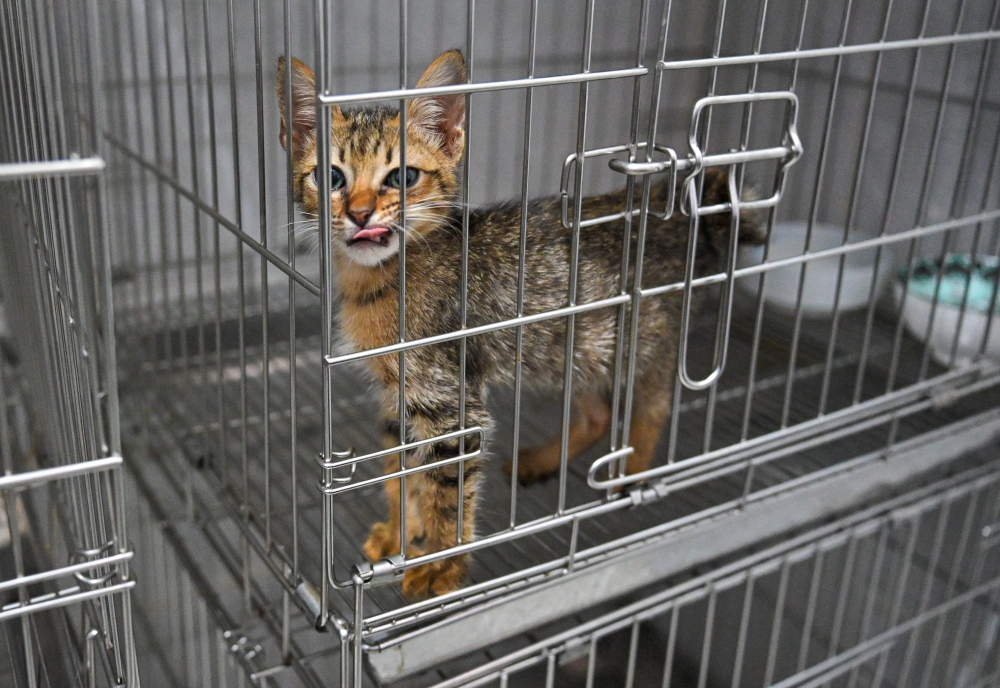
Veterinary clinics, restaurants and animal shelters are popular places for dumping pets. Vets and shelter volunteers told Bernama that they were always discovering kittens, puppies, cats and dogs outside their doors when they opened up for the day. Some of the animals did not survive overnight, much to the animal-lovers’ distress.
Like at iVet, those who offer boarding services also encounter “overstayers”: pets left for boarding and never reclaimed, leaving the host to care for them and find new homes.
A veterinarian, who asked to remain anonymous, told Bernama that such incidents usually occur during festive periods, such as the Raya holidays, or when owners are relocating. She provides pet boarding services in Gombak.
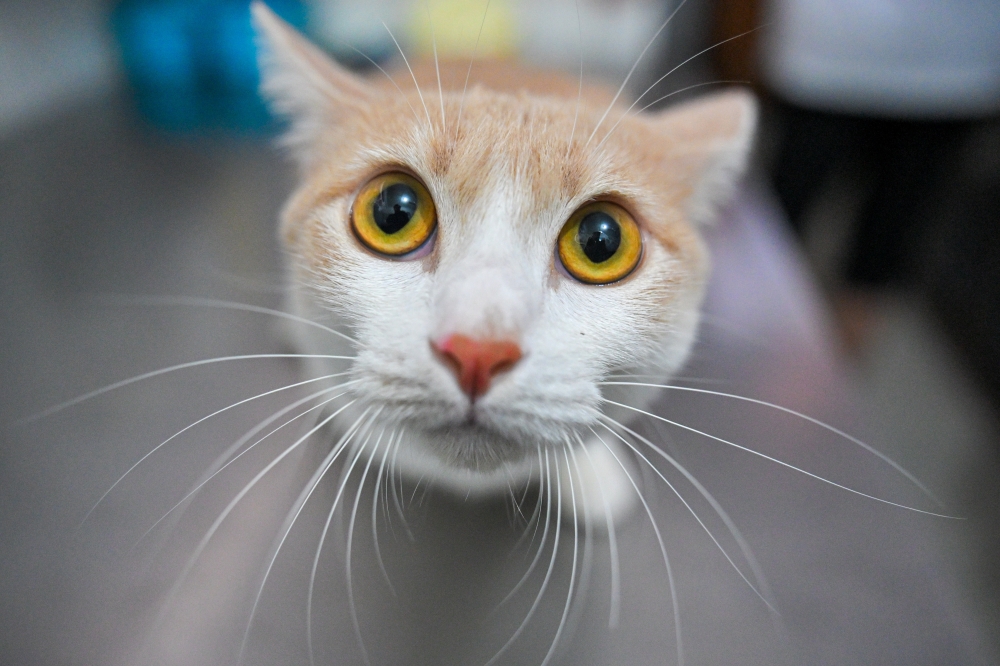
She is currently trying to find a home for Petri, a one-year-old white-and-orange male domestic shorthair, who was left in her care during the recent Raya break. When the couple who brought him in failed to pick him up, she sent them several messages.
Finally, a few days ago, the wife apologised and said she could no longer care for the cat.
“Then she said, ‘Just give it to someone. Or let it go outside,’” the vet said. “The words she used really upset me because she could so easily say to just abandon it. That was what saddened me the most.”
Petri has another advocate in his corner. A university research assistant, who asked to be identified as Adam, has been trying to find the cat a home, describing him as having “sad puppy eyes, as if hoping someone would stop to pet him.”
A cat owner himself, Adam finds Petri’s story upsetting. He told Bernama that too many people adopt cats for their looks or when it is convenient, without fully committing to their care.
“Just because they (are) plain Janes doesn’t mean they don’t deserve the same love as a British Shorthair cat,” he said via Google Meet.
He has made several posts on social media in search of someone to adopt Petri.
Spay and neuter
Vets and animal advocates largely blame irresponsible pet ownership, such as failing to spay or neuter pets, for the abandonment. When their animals have babies they cannot or do not want to care for, many owners abandon the kittens or puppies.
Bernama contacted several animal shelters in the Klang Valley, all of which reported they were at capacity.
“It’s always like this, it never improves. And on top of what we already have in the shelter, the numbers keep growing,” said Kim Yeoh, president of Second Chance at Life animal shelter.
Her shelter runs adoption drives every Saturday at IOI2RIO in Bandar Puteri Puchong, but few animals are adopted. Nevertheless, she said they would not turn away an animal in need.
Yeoh added that spaying and neutering should be a condition of adoption, or the problem would continue to worsen with no end in sight.
Other reasons cited include economic pressures — as costs rise, so too does pet abandonment. However, advocates say this is something prospective owners should already consider carefully before taking on another living being. Like raising children, pet ownership requires planning and long-term commitment.
“Pets are fully dependent on us. They need proper nutrition, regular veterinary care, grooming, and daily attention. Some animals can live 10 to 15 years, so this is not a short-term commitment,” says Dr. Shafiqah.
“Responsible ownership means committing to them through every stage of their lives, whether they are healthy or sick.”
She reaches down to scratch Fluffy under his chin. The big cat closes his eyes in contentment.
Since that January night, Fluffy has developed mild anaemia and is unable to donate blood for now or possibly ever if he does not fully recover. The cat he saved is now doing well, having been adopted by the person who brought him,
Although Fluffy is now semi-retired, the clinic staff are unfazed. His value goes far beyond his blood.
“We’re not letting anyone adopt him. He’s just too adorable and so well-behaved,” says Dr Shafiqah with a smile. — Bernama


