


KUALA LUMPUR, March 24 — RHB Investment Bank Bhd has maintained its Consumer Price Index (CPI) forecast of 2.0 per cent this year due to its limited upward trend as the impact of cost push pressures is partly mitigated.
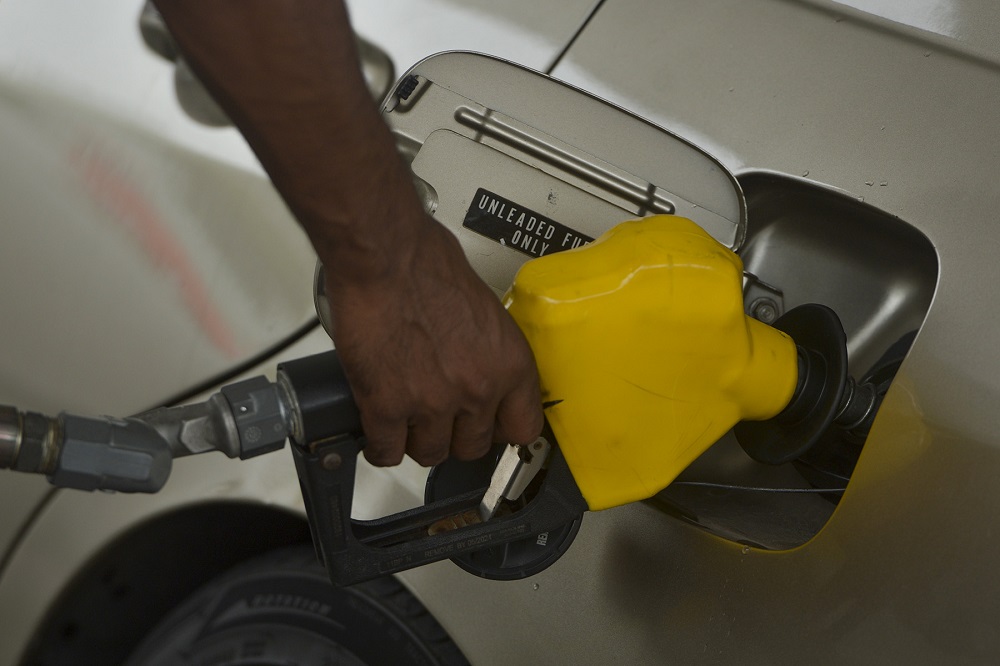
Senior economist Ahmad Nazmi Idrus, in a research note, said this comes as a result of the government decision to peg RON95 and diesel at RM2.05 and RM2.15 per litre, respectively, as announced in the Strategic Programme to Empower People and the Economy (Pemerkasa) last week.
“The measure taken by the government likely negates any significant upside risk to our forecast,” he said.
He said even though fuel and lubricants account for 8.5 per cent of the share to the CPI basket, the overall impact to the CPI from higher oil prices is much larger, accounting for the secondary impact to sectors such as passenger transport and food services.
Keeping a peg on domestic fuel prices dampens some of these impacts and allows for a less volatile movement in the CPI, he said, adding that while cost push pressures could be low, base effect would likely continue to be a major factor for an upward CPI growth.
“We expect inflation to continue to trend upwards in year-on-year (yoy) terms in the next few months as a correction from a significant drop in oil prices during the same period last year.
“Retail fuel prices lowered drastically from RM2.08 per litre in January 2020 to as low as RM1.25 per litre in April 2020 as a result of Brent crude prices dropping to its record low of US$23 per barrel during the same period,” he said.
Meanwhile, he highlighted that demand-pull pressures are expected to remain limited, considering weak consumption.
He said indicators such as high unemployment numbers, weak income growth, and constant disruption to the pace of economic recovery are expected to keep consumer spending weak.
The CPI for February 2021 recorded its first positive growth of 0.1 per cent yoy versus Bloomberg consensus estimate of 0.2 per cent and January number of -0.2 per cent.
The bank said the improvement reflected an increase in the transport component at -2.0 per cent yoy versus January’s -5.1 per cent and within the transport component, the increase was led by the fuel and lubricant subcomponent due to rising fuel prices. — Bernama


