


SINGAPORE, March 12 — South-east Asian stock markets rose today, tracking Asian peers, after chances of the US Federal Reserve hiking interest rates four times this year dimmed
following data that showed jobs jumped and wage growth slowed in February.
Inflation worries faded on Friday after US data showed nonfarm payrolls jumped by 313,000 jobs last month, but annual growth in average hourly earnings slowed to 2.6 per cent after a spike in January.
The pullback in wages tempered speculation the Federal Reserve would project four rate hikes — or dot plots — at its policy meeting next week, instead of the current three.
Asia-shares ex-Japan climbed 1.1 per cent, their third session of gains.
On Friday, the three major US indexes rose more than 1.5 per cent.
“I think the latest data points are positive for markets. We are starting to see a move back to risky assets like equities,” said Joel Ng, a research analyst at KGI Securities in Singapore.
In South-east Asia, Singapore’s benchmark rose as much as 1.9 per cent, following gains of 0.2 per cent last week.
Conglomerate Jardine Matheson Holdings Ltd rose as much as 3.4 per cent, extending gains after results last week showed profit jumped more than 50 per cent.
“You can see that there is growth in most of its business segments like Jardine Pacific and Jardine Motors,” said Joel Ng of KGI Securities.
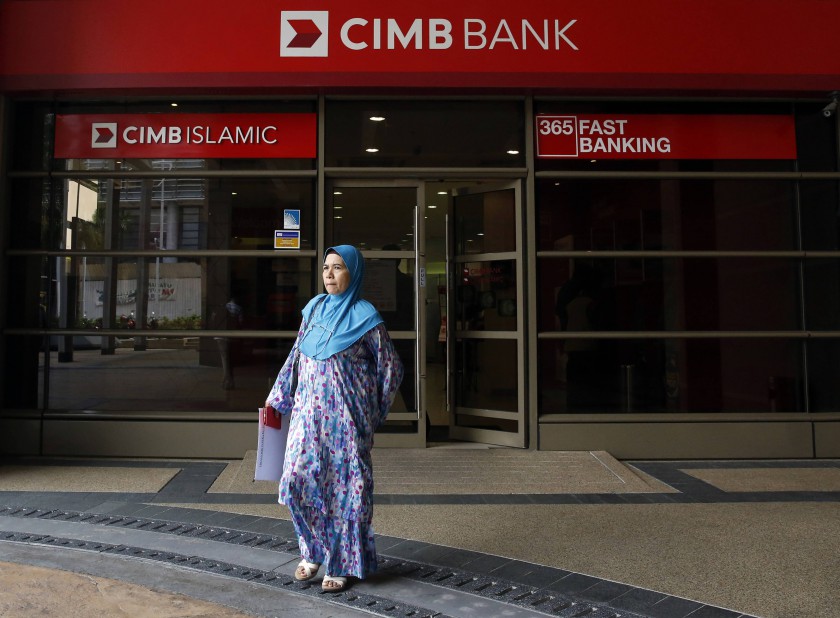
Malaysian shares rose about 0.7 per cent, with CIMB Group Holdings Bhd, up 1.4 per cent, contributing the most to the index gains.
The country’s banks will continue to perform well in 2018, a Moody’s report showed today.
The Philippine index rose 1.1 per cent, after ending the previous week about 1 per cent lower.
SM Investments Corp rose 1.5 per cent.
Thai shares climbed for the first session in nine as financials and energy stocks gained. PTT Pcl was 1.9 per cent higher.
Indonesia’s benchmark was up, with financials and consumer discretionary stocks helping the index higher. Bank Central Asia rose 1.3 per cent.
Indonesia has capped the price of domestic coal for two years. — Reuters


