


KUALA LUMPUR, Feb 17 - Malaysia's Gross Domestic Product (GDP) is set to grow from 4.2 per cent in 2016 to 4.7 per cent this year due to the boost in commodity prices, a research group predicted.
According to BMI Research, Putrajaya's measures in the past year have resulted in more stable investor confidence which in turn would help grow the country's economy.
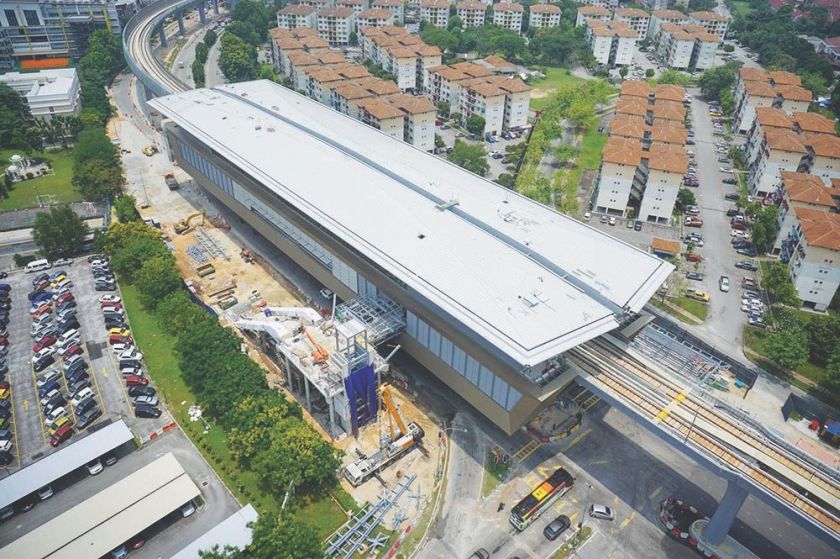
“The government's ongoing infrastructure development projects will be positive for gross fixed capital formation, and lead to the improvement of the economy's transport network.
“In addition, the return to political stability is likely to boost investor confidence, resulting in increased foreign direct investment (FDI) inflows. We therefore maintain our forecast for real GDP growth to accelerate to 4.7 percent in 2017,” the report read.
The group also forecasted that the Malaysian ringgit would improve against the US dollar by end of the year and eventually be RM4.20 to a dollar in 2018.
“We believe that higher commodity price will lead to an improvement in Malaysia's terms of trade, which will be positive for domestic savings and investment by supporting the ringgit, which we forecast to end the year at RM4.40/USD in 2017 and RM4.20/USD in 2018,” it stated.
BMI also noted that political stability has improved in the nation together with efforts by the government to improve transport to rural areas especially in Sabah and Sarawak has helped improve investor confidence.
“Malaysia had been plagued by political instability from 2015-2016 and this has weighed on investor confidence in the country.
“However, we believe that the worst is over and that political stability has returned to the country as the various parties seek to consolidate their positions ahead of the parliamentary elections that must be held by mid-2018 ... we believe that investors are likely to return as the political situation improves. We are already seeing signs of improvements in investor confidence,” the report also stated.
BMI added that Putrajaya's efforts to improve connectivity in Sabah and Sarawak was also commended as it helps improve economic development in East Malaysia.
“In addition to investing heavily in roads, clinics, and educational facilities in rural areas, we expect the government to pay particular attention to the construction of the Pan-Borneo Highway .
“The highway will be crucial in increasing accessibility across East Malaysia, which is characterised by poor connectivity due to the lack of roads, and could help bring economic development to more remote towns and villages,” the research group said.


