


KUALA LUMPUR, Feb 27 — Ramadan bazaars are a cherished Malaysian tradition, but in 2026, many shoppers are feeling the pinch.
On-the-ground observations by Malay Mail at several bazaars in the Klang Valley found that prices for staple dishes and beverages have crept up compared with previous years.
At the TTDI Bazaar in Kuala Lumpur, Farah Ahmad, 31, a corporate communications manager, was surveying a stall selling roti John when she reflected on how much her spending habits have changed over the past year.
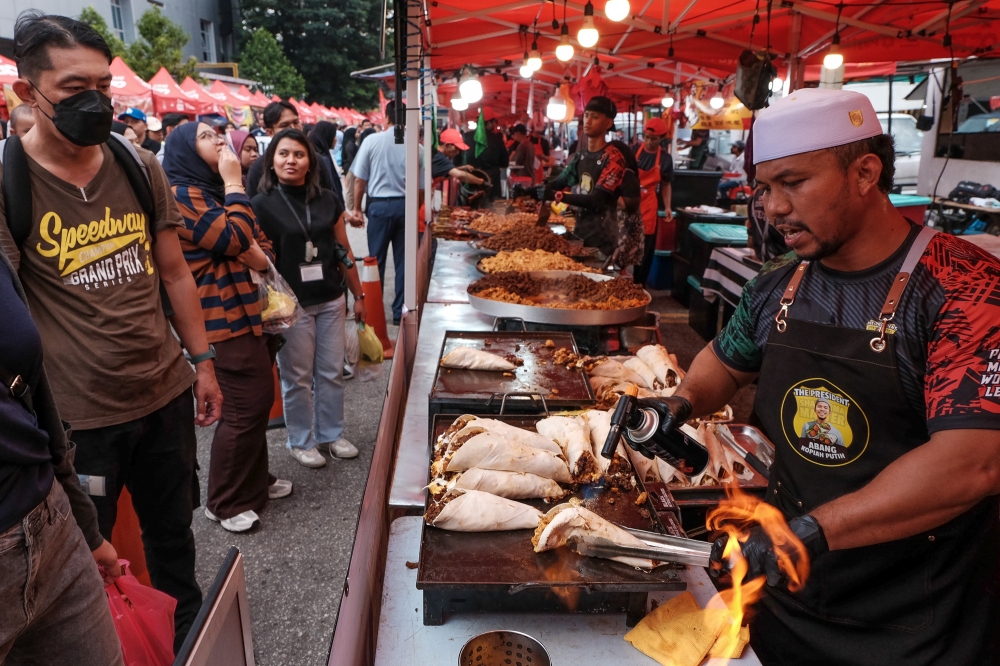
“Last year, RM30 was enough to feed two of us, usually a plate of nasi kerabu and a beef murtabak to share. We didn’t have to think twice about it.
“This year, I automatically prepared RM40 to RM50 and even then, it barely feels like enough,” she told Malay Mail.
She said her usual iftar order may sound simple, but the total tells a different story as nasi kerabu with ayam percik is sold for RM16, a regular sized murtabak daging at RM12, and two drinks at RM6 each.
By the time she pays, she said it is close to RM40 for what used to feel like a normal meal.
“RM30 now gets you maybe one proper meal and a drink with some kuih. That’s it. We still come for the experience, but it’s no longer an everyday treat,” she added.
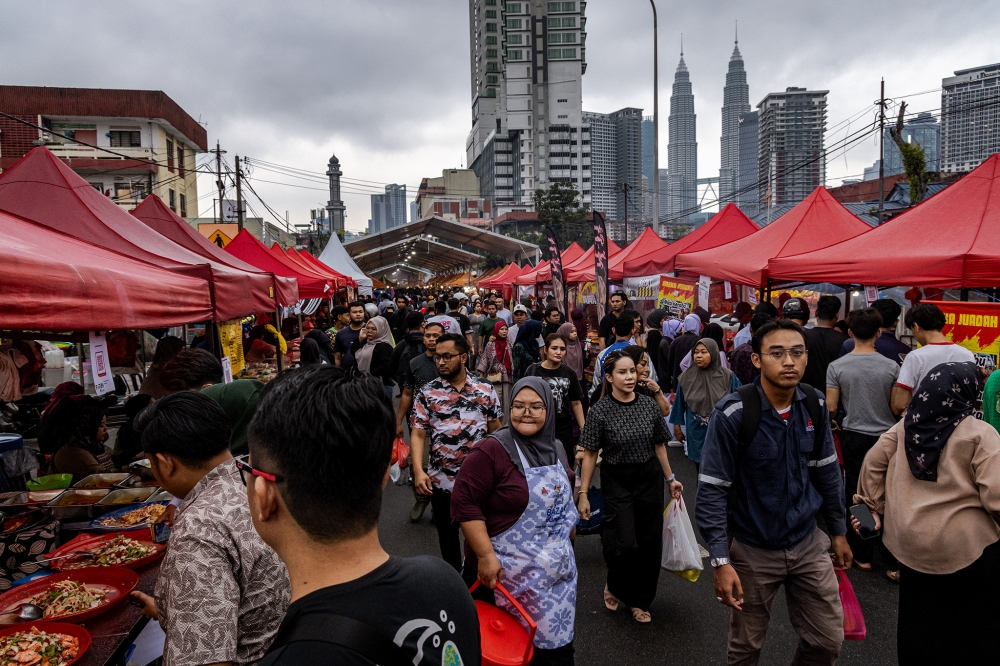
At the Wangsa Maju Ramadan bazaar, 45-year-old lorry driver Mohd Faizal Rahman recalculates his spending every time he stops by.
With a family of six to feed, he said rising food prices have forced him to be far more deliberate about what he buys.
He said that meat dishes have risen steeply, with simple chicken-based meals commonly priced at RM15 or more, while beef dishes range between RM18 and RM20.
Drinks, now almost uniformly priced at RM5 each, quickly add up for a larger family.
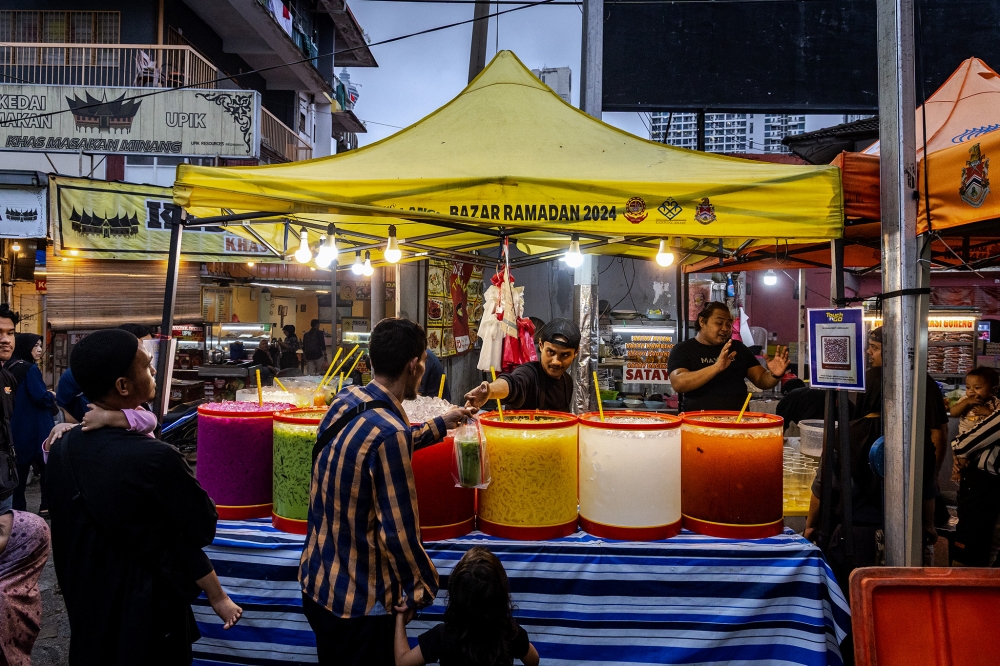
“Let’s say I buy three drinks, that’s already RM15. That’s a big chunk of my budget gone before I even buy the food.
“If I come here, I will bring at least RM100. Last time, RM70 or RM80 was enough. Now, if I’m not careful, it can go over RM100 easily,” he said.
As a result, Faizal said his family has adjusted its Ramadan routine.
He said instead of relying on the bazaar for most of their iftar dishes, his wife now prepares rice and at least one main dish at home before he heads out to buy additional items.
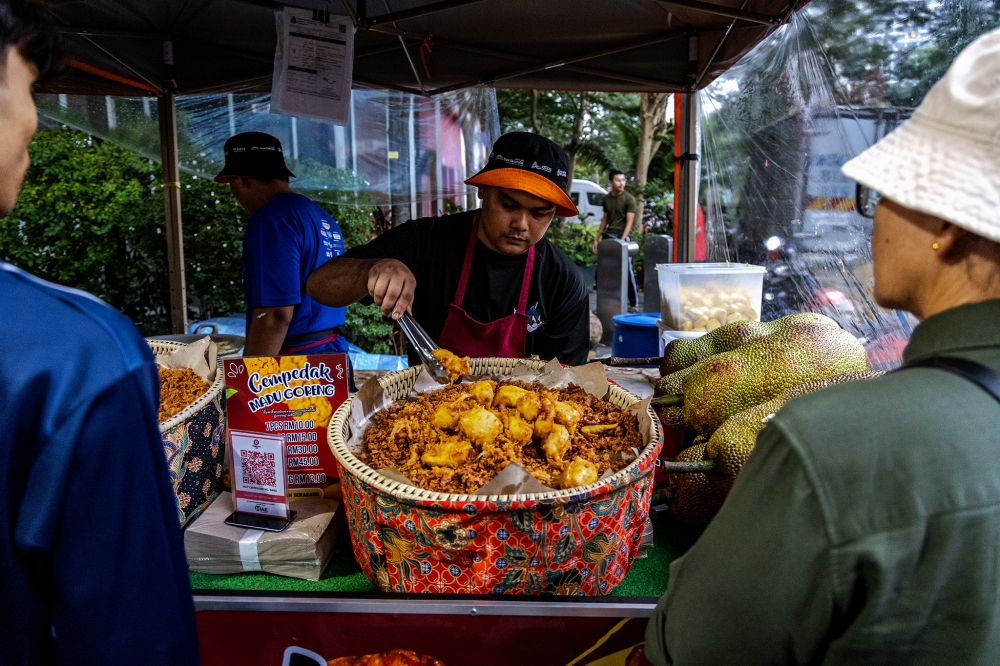
“At least when we cook at home, we know the portion is enough for everyone. If I buy everything outside, sometimes the portion is small but the price is already RM15 or more.
“For a big family, that’s not practical,” he added.
Students, too, are recalibrating their spending as bazaar prices climb.
At the Shah Alam Stadium Ramadan bazaar, Nur Syafiqah Azman, 21, a second-year student at Universiti Teknologi MARA Shah Alam, said she now sets a strict spending limit for each visit.
She explained that even basic combinations quickly eat into her budget considering she is a student.
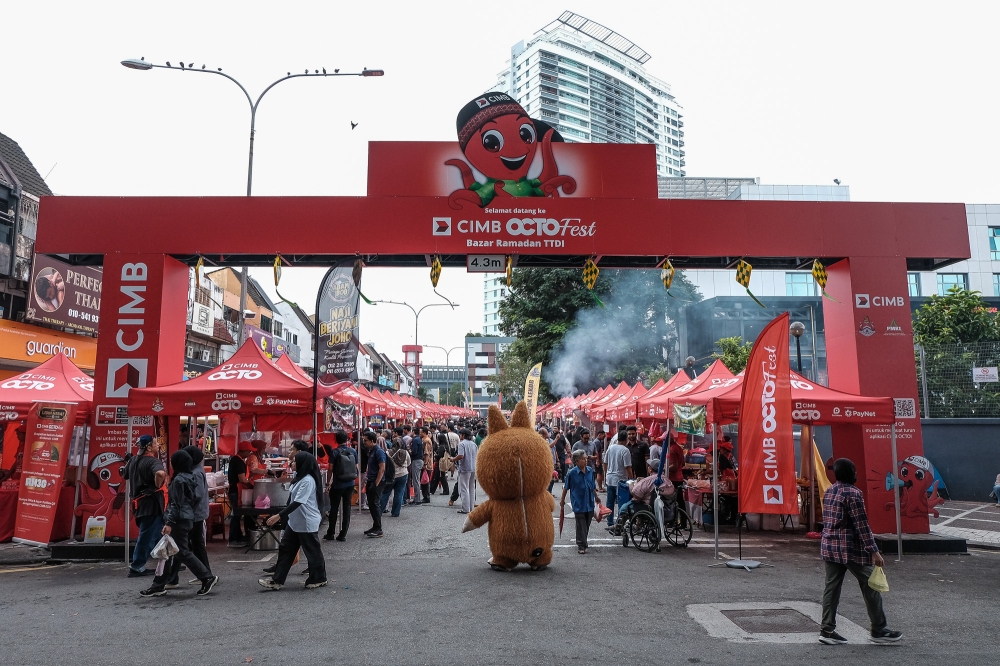
“I try not to spend more than RM30. Last year, RM20 to RM25 was enough for a full meal and maybe some kuih. Now, RM30 also feels just enough and that’s not including moreh (snack eaten after tarawih prayers during Ramadan).
“If I buy nasi ayam for RM14 and a drink for RM5, that’s already almost RM20. If I add kuih, I’m close to RM30. So sometimes I skip the drink or share dessert with my friends,” she said.
Also chiming in, her friend Afif Kamal, 23, who is in his final semester at the same university, said rising prices have also changed how often he visits the bazaar.
He said he now pays closer attention to portion sizes and frequency of spending.
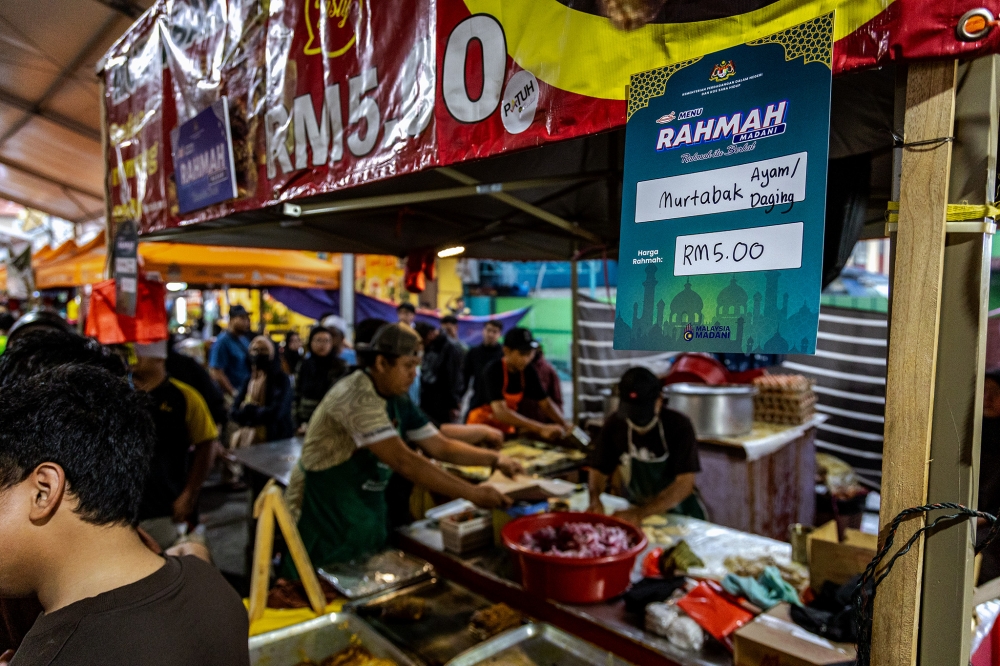
“I used to come almost every day during Ramadan because it was convenient after class. Now maybe two or three times a week only.
“If you come daily, it’s easy to spend RM30 to RM50 each time without realising,” he added.


