


UNITED NATIONS, March 29 ― A joint report released on Monday by the United Nations Children's Fund (Unicef), the World Health Organisation (WHO) and the Association of Southeast Asian Nations (Asean) serves as an eye-opener to facts about children’s health and nutrition in Malaysia and some Asean countries.
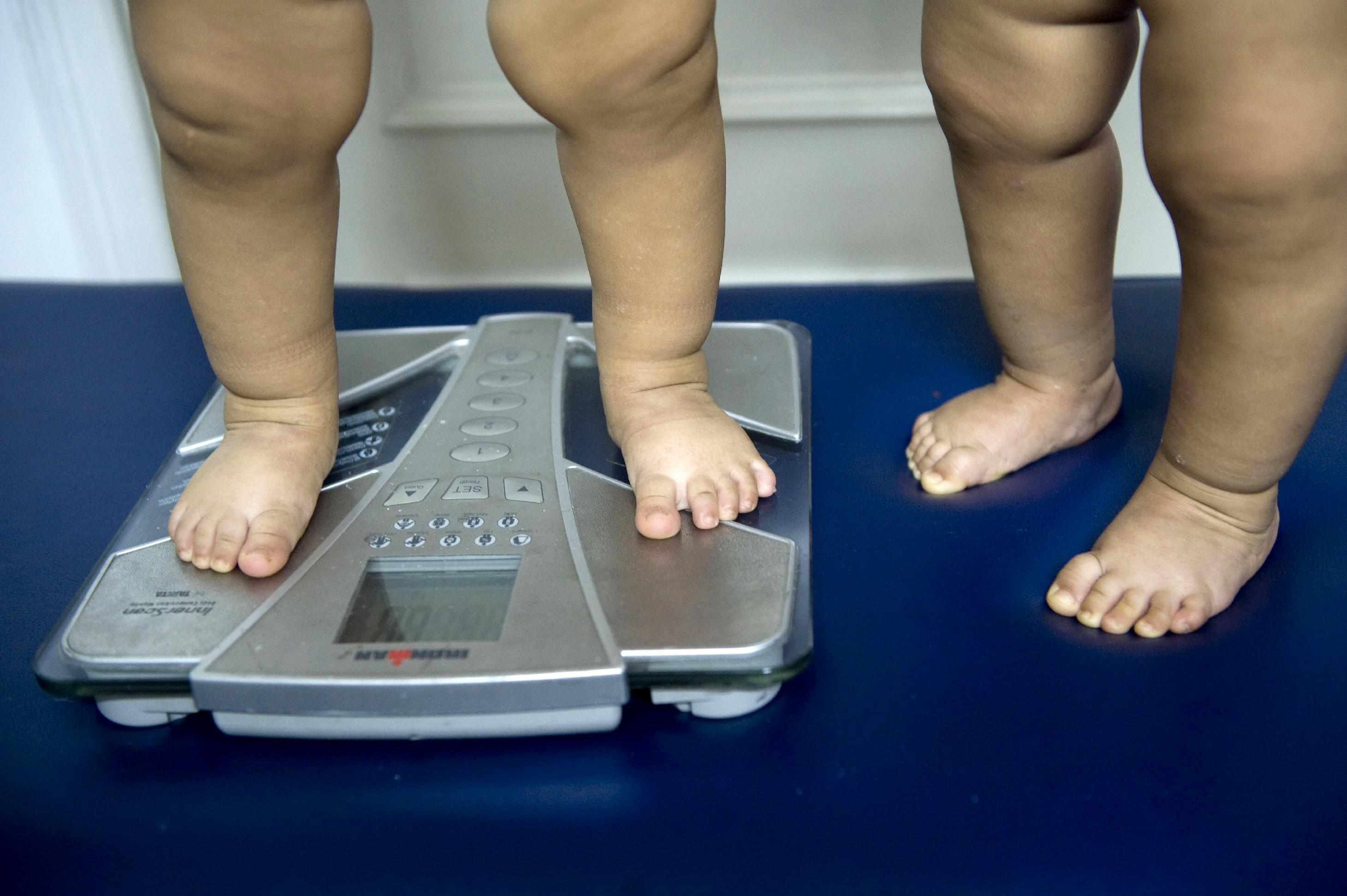
Using the euphemism “double burden of malnutrition” to explain the simultaneous crises of over and undernutrition, the report finds that several Asean countries are facing this phenomenon, with some children becoming overweight and others suffering from stunting and wasting.
This “double burden of malnutrition” is visible among children in middle income Asean member countries such as Indonesia, Malaysia, the Philippines and Thailand.
“Many countries in Southeast Asia have seen impressive economic gains in the last decade, lifting millions of children out of poverty,” said Christiane Rudert, Regional Nutrition Adviser for Unicef East Asia and Pacific, in a press release.
“However, at the same time we have seen the rise of conditions like obesity, previously associated with high income countries. Asian children are now at risk of malnutrition from both ends of the spectrum,” she added.
In Indonesia, the proportions are reportedly exactly the same: 12 per cent of children are overweight and 12 per cent are wasted. In medicine, wasting, also known as wasting syndrome, refers to the process by which a debilitating disease causes muscle and fat tissue to “waste” away, and this is sometimes referred to as “acute malnutrition”.
In Thailand, child wasting and overweight are both on the rise: between 2006 and 2012, wasting increased from 5.0 per cent to 7.0 per cent, and overweight from 8.0 per cent to 11 per cent.
According to the findings, the causes of overweight and undernutrition are intertwined. A child whose growth was stunted in early childhood is at greater risk of becoming overweight later in life.
The risk for being overweight goes up with increased access to fast-food ― “junk food”, to use the common man’s parlance ― and drinks (those with high trans-fat or sugar content and low nutritional value), physical inactivity and sedentary lifestyles.
This is an increasing trend in many countries in the region, and contributes significantly to the growing prevalence of chronic diseases like diabetes and heart conditions, the report highlights.
In addition to poverty, other contributing factors include traditional diets that lack nutritious foods, poor infant feeding practices, inadequate clean water and sanitation, and farming a limited variety of crops. If children are stunted, this impacts their development in other areas including health and education, affecting their chances in life.
The report finds that stunting prevalence is highest in Cambodia, Laos and Myanmar, as well as in parts of Indonesia and the Philippines.
Child malnutrition also significantly affects the economies of countries, the study finds. It reduces parents' productivity and creates a burden on health care systems.
It can lead to non-communicable diseases, disability and even death, reducing the potential workforce. The economic cost of non-communicable diseases in Indonesia ― much of which is diet-related ― is estimated at US$248 billion (RM984 billion) per year.
Meanwhile, Unicef and the European Union recently completed a five-year partnership to tackle nutrition issues in five Asian countries, including Indonesia, Laos and the Philippines.
“The objective of the partnership was to help governments develop a holistic approach to nutrition, looking beyond just the health sector,” Rudert said.
“For example, we worked to improve maternity leave for mothers, which is a labour issue, and families' access to nutritious food sources ― an agriculture issue.”
Besides UN agencies, other independent health organisations are also predicting a global epidemic in childhood obesity with the number of overweight children under five to jump from presently 42 million to 70 million over the next decade; this is also predicted by a recent United Nations report which called on governments to reverse the trend by promoting healthy foods and physical activity.
Marketing of unhealthy foods and non-alcoholic beverages is a major factor in the alarming increase, which rose from 31 million in 1990 to 41 million in 2014, particularly in the developing world, with the biggest rise coming from low- and middle-income countries, according to the report by the Commission on Ending Childhood Obesity (ECHO).
“Increased political commitment is needed to tackle the global challenge of childhood overweight and obesity,” said Peter Gluckman, co-chair ECHO, which recently presented its report to UN World Health Organization (WHO) Director-General Margaret Chan.
The report, which took two years to compile, recommends a number of measures to reduce child obesity and wasting.
“Overweight and obesity impact a child’s quality of life, as they face a wide range of barriers, including physical, psychological and health consequences,” ECHO co-chair SaniaNishtar said. ― Bernama


