


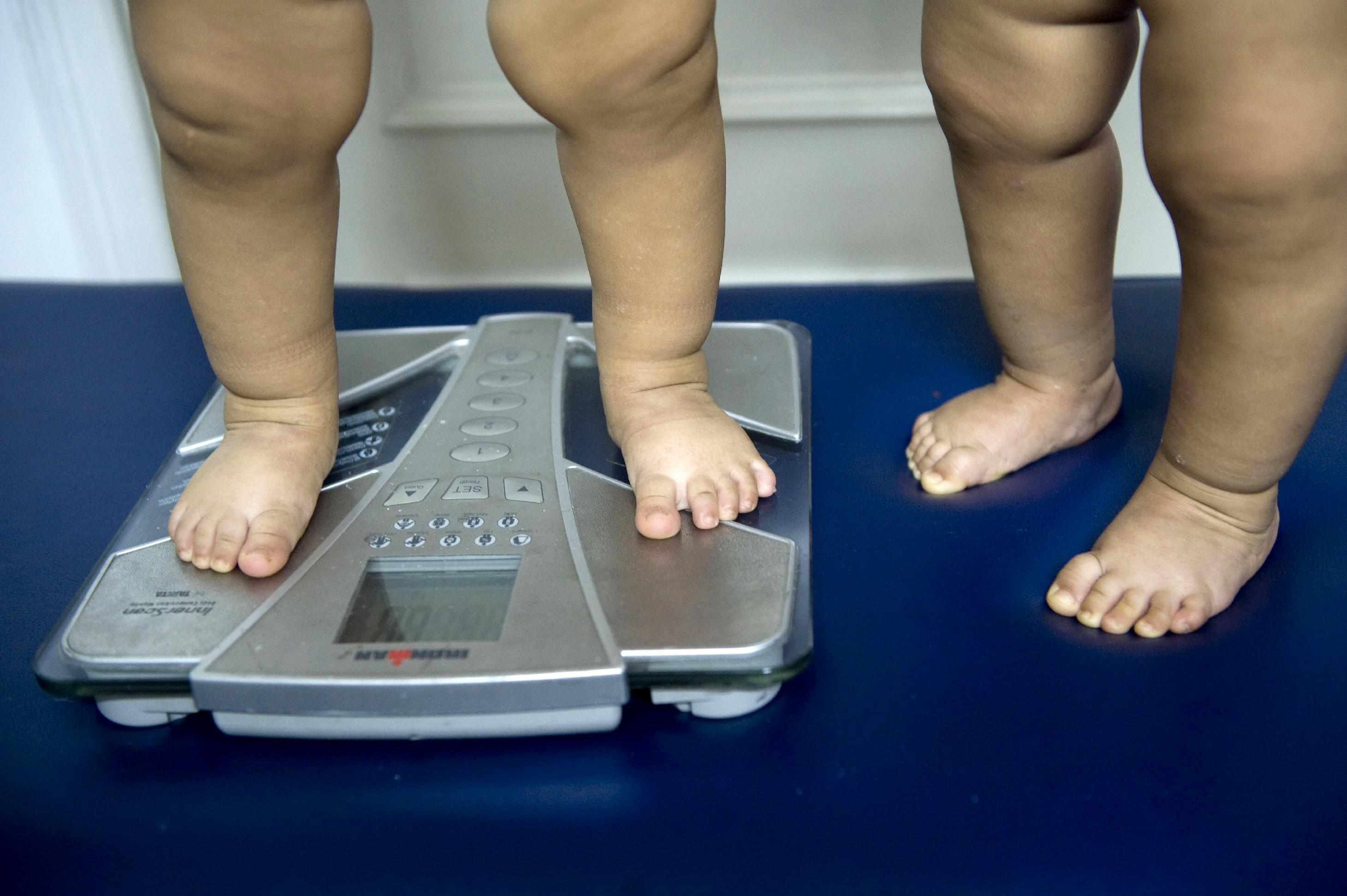
PETALING JAYA, Feb 27 — One in 10 Malaysians under 18 is either overweight or obese.
Experts say the statistics, which were published in the National Health and Morbidity Survey (NHMS) 2015, are worrying.
Conducted by the Health Ministry’s Public Health Institute, the study polled over 29,460 respondents, 9,944 of whom are children below 18, with 1,004 of them found to be overweight.
NHMS principal investigator Dr Muhammad Fadhli Mohd Yusoff said by using the body mass index (BMI) scale set by the World Health Organisation, it was inferred there were over one million overweight children out of approximately 10 million children nationwide.
The number has seen an increase from the 2011 NHMS report, where the estimated overweight and obese children population was 477,010.
Nutrition Society of Malaysia president Dr Tee E Siong said the significant increase shows prompt actions are needed to reverse the current situation.
“The number of overweight children has doubled over the span of four years. Everyone — the government, community and parents — must work together to bring the number down,” he said.
Dr Tee said parents, especially, should keep close tabs on their children’s calorie intake and energy expenditure.
He said most parents are guilty of motivating their children with incentives in the form of food, especially fast food and sugary desserts.
“It is okay to reward your children for their good behaviour but not necessarily with food.
“When they do well at school, buy them books or take them out to a nice recreational outing. Sadly, this is not the practice,” he said.
Dr Tee added parents tend to emphasise on academic excellence rather than the importance of being physically active.
“Studying does not end at school for most children. It is normally the case to have back-to-back tuition classes on most days of the week. The children are then left with no energy and time to play sports,” he said.
Dr Tee said many parents of overweight children mistook them for being healthy due to their chubby appearance and assumed the fat accumulated in the child’s body will progressively disappear as he or she grows up.
“Some term it as ‘baby fat’ but this is a misconception. A five-year-old overweight child is more likely to become obese when he or she is 11-years-old and the same child also has a higher tendency to stay obese at the age of 17, and it carries on,” he said.
He added obesity in children is beyond the child’s appearance as risks of non-communicable diseases such as heart attack or diabetes will manifest earlier.
“It is not uncommon now to hear people dying of heart attack at a young age of 40. This traces back to fat clogging up their arteries since they were children,” he said.
Dr Tee added children, especially between ages of five and nine, are allowed to consume up to 2,000 kilocalories per day provided physical exercise is included in their daily routine.
“Children should not be stopped from eating altogether but it is important not to let them lead a sedentary lifestyle.”
He said childhood obesity should be tackled immediately in order to have healthy Malaysian adults 30 years down the road.
The latest NHMS statistics showed overweight and obese Malaysians make up almost half of the 30 million population.
Health Minister Datuk Seri Dr S. Subramaniam revealed last month that obese Malaysians make up 17.7 per cent of the population while those overweight make up 30 per cent.
In 2014, Malaysia was ranked the fattest country in Southeast Asia and the sixth in the Asia-Pacific region.


