


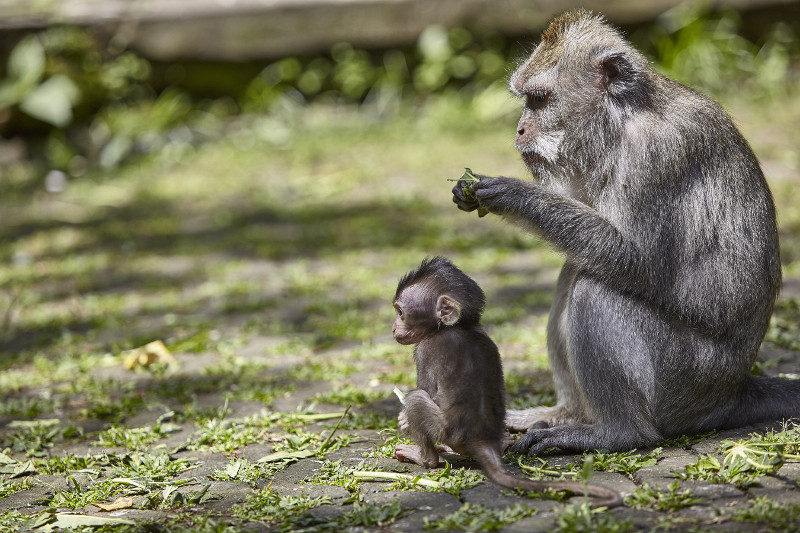
AMPANG, Jan 17 — Taman Tun Abdul Razak (TAR) residents have filed a petition with the local council for a road closure order in Jalan 1 to deter the public from feeding monkeys in the area.
Since last June, Jalan 1 had been cordoned off, apparently to prevent people from feeding monkeys in the area. However, some visitors asked why they could no longer use the road and questioned how the local council allowed a public road to be closed for more than half a year.
During a recent visit to the area, residents told Malay Mail they had petitioned for a road closure in the area as they could no longer bear being attacked by monkeys.
The road, which was barricaded at two different points, is dubbed the “monkey zone” among residents as it has become a popular monkey-feeding spot for visitors.
Sharon Wong, 54, who has been residing in the area for the past 20 years, said the monkeys were not much of a nuisance until five years ago, when droves of people started feeding them.
“The monkeys were fed with processed food and when they don’t get fed, they will come out to the residential areas looking for the same kind of food,” she said.
Another resident, Zara Davies, 50, who operates a Montessori school in the area, said she was attacked by a group of monkeys seven years ago.
“The monkeys entered the school compound and scoured the area for food. I jumped in to protect the children but before I knew it, three monkeys sprung onto me and started biting,” she said.
Zara’s heroic act left her with 10 bite marks and she was admitted to a hospital for three days.
“Since then, I don’t dare to jog around the stretch uphill where you would see a lot of monkeys,” she said, adding that the number of monkeys have also increased as people continue to feed them.
Housewife B. Thila, 37, who goes for evening walks in the area, said she is living in fear.
“I have witnessed a group of monkeys snatching a bag from a female jogger, causing the woman to trip and fall. I was walking with my five-year-old son and we could only assume the monkeys had mistaken the bag for food,” she said.
Thila said she stopped coming to the area to exercise for about a month after the incident took place.
“My son was afraid to come with me and I was too scared to go on my own. After much persuasion, we decided to come here again but we made sure we brought a walking stick each time,” she said.
Retired accountant, Lee Choo, 65, said the monkey feeding activities has made Taman TAR famous.
“It is not nice to hear people describe your neighbourhood as a monkey-infested area. This area has always been known for its greenery and co-existing with the wildlife was not a problem until the feeding activities started,” she said.
Security guard A. Thambiraja, hired by residents to patrol the area, the monkeys have stopped coming out in large numbers.
“All feeding activities have stopped after the barriers were placed and most of the monkeys have been relocated to neighbouring forests,” he said.
Thambiraja said the road was opened for several days last week as the residents thought people would no longer feed the monkeys.
“But as soon as the barricades were put aside, people started coming with snacks like potato chips and bread and we were instructed by residents to close the area again,” he said.


