


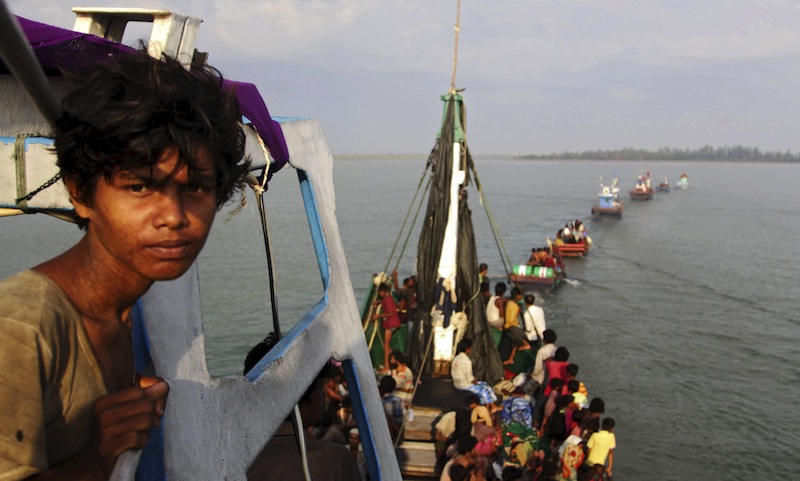


PETALING JAYA, May 21 — Humanitarian activists have lauded the government’s move in opening its shores to the Rohingya boat people.
Malaysians for Malaysia representative Azrul Mohd Khalib said the move was welcome in a time of dire humanitarian crisis.
“This is a decision that is welcome to many of us who have been wanting to find a way to alleviate the suffering and humanitarian situation for the boat people,” he said.
Azrul said although the government was able to authorise the boat people to come to Malaysian shores, responsibility often fell on civil societies in providing humanitarian aid.
“We are happy to work with the government to ensure the necessary aid is provided,” he said.
Azrul said after consent by the government to allow for the boat people to come ashore was granted, “things would fall into place immediately”.
“The main stumbling block was for the government to make this decision, and we are very happy. We urge other governments to no longer be hesitant in providing humanitarian assistance to the boat people and to get them ashore as quickly as possible.
“I am glad they (governments) have stopped this human ping-pong game that was being played with thousands of lives,” he said.
Azrul said there would be no hesitation on the part of organisations such as the Malaysian Red Crescent Society and Mercy Malaysia to deploy their resources and manpower and to set up camps to deliver their services.
In terms of repatriation, Azrul said the boat people needed to be processed into two categories — economic migrants and those who were asylum seekers or refugees.
“The mechanics need to be worked out, but Malaysia has had a proud history of helping others in the past. We were able to extend humanitarian assistance then, and we can do it again now,” he said.
Activist Datin Paduka Marina Mahathir said the decision of the government was “great” and was the most humane thing to do.
“The main concern was to bring these people to shore and to treat them accordingly. The situation would only worsen by leaving them on the boat,” she said.
Marina said she was certain the matter of repatriation would be brought up with the international community, adding that effort and aid would come from many places.
“More help will come once they (boat people) are on land. When there is a will, there is a way,” she said.


