


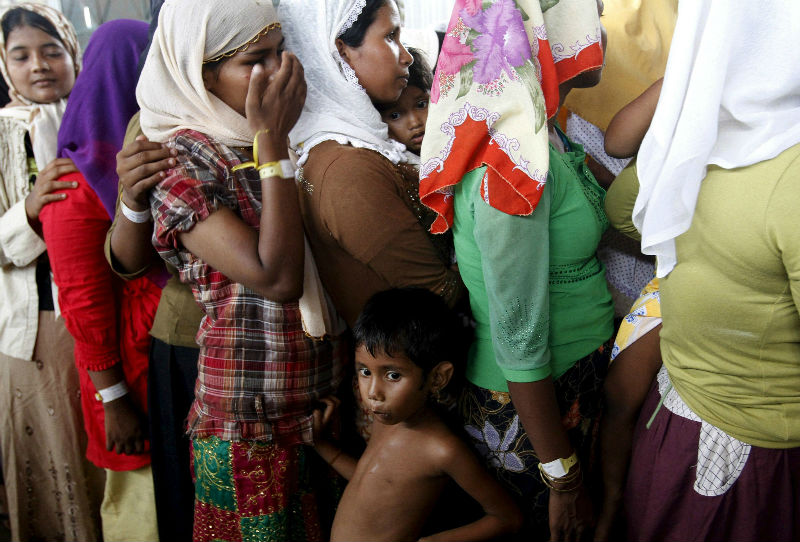


KUALA LUMPUR, May 18 — The failure to push Myanmar into recognising the Rohingya will make Malaysia and other Asean countries complicit in the refugee crisis, several local non-governmental organisations (NGOs) said today.
The Coalition on Plan of Action for Malaysia (GBM) also urged Malaysia, which is Asean chair, to allow the Rohingya refugees to land here, with thousands remaining adrift at sea after Malaysia, Thailand and Indonesia refused to allow them ashore.
“Unless Malaysia and her Asean partners pressure the Myanmar government to enfranchise the Rohingya, promise them a safe return and ensure their safety, it is complicit in this humanitarian crisis,” GBM said in a statement.
“Make Malaysia proud. Allow them to land in this fair country. The alternative is to leave them adrift and certain death,” they added.
GBM comprises 15 NGOs, including the Islamic Renaissance Front (IRF), Pertubuhan IKRAM Malaysia (Ikram), Suara Rakyat Malaysia (Suaram) and Persatuan Aliran Kesedaran Negara (Aliran) among others.
News portal Malaysiakini reported Deputy Prime Minister Tan Sri Muhyiddin Yassin as saying yesterday that Myanmar should have more “compassion” to deal with the Rohingya instead of placing the “burden” on its Asean neighbours.
International newswire AFP reported that Myanmar, however, has rejected Thailand’s call for a regional summit on the migrant crisis on May 29, saying it was not their problem.
UK paper Daily Mail reported a senior official from the president’s office in Myanmar as saying Saturday that the government will not participate in the regional meeting if the term “Rohingya” is used. Myanmar considers the Rohingya as illegal settlers from Bangladesh despite the community having roots that go back for generations.
Migrant activists estimate that some 8,000 Bangladeshi and Rohingya remain stranded at sea after people smugglers abandoned ship following a Thai crackdown on human trafficking.
International newswire AFP reported yesterday diplomats and analysts as saying that Asean’s pledge of non-interference and its failure to curb Myanmar’s systematic abuse of the Rohingya – who suffer state-sanctioned discrimination and are denied citizenship – have contributed to the migrant crisis in the region.


