


- Gates Foundation and Paho interested in ways to make weight-loss drugs affordable
- Obesity still not a priority for Gates Foundation, focus remains on major killers
- Paho’s pooled procurement scheme could lower weight-loss drug prices for member states
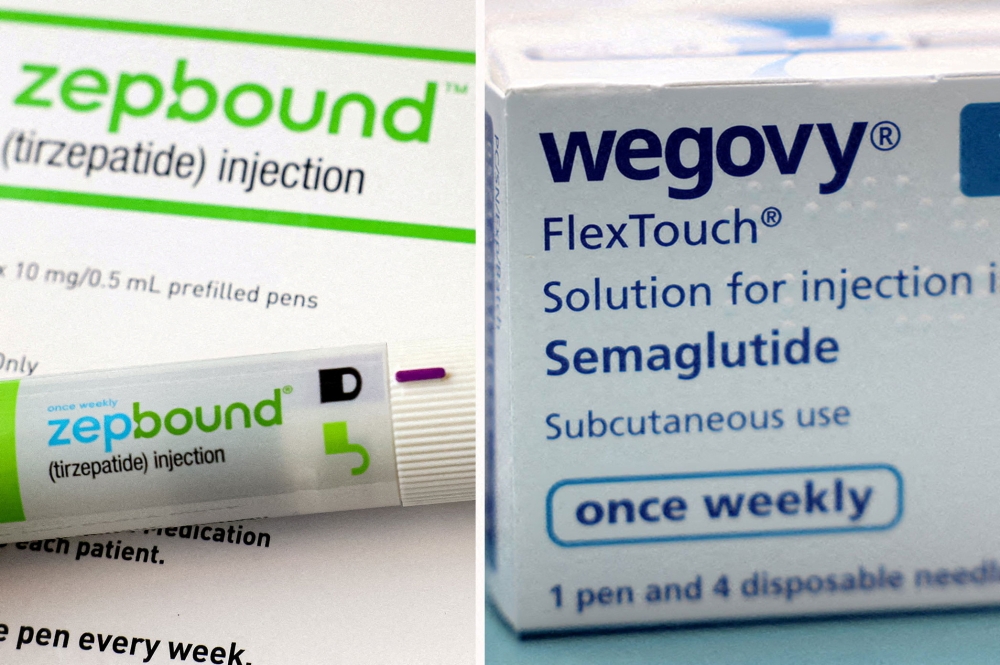
LONDON, Oct 12 — Bill Gates and the Pan American Health Organisation are both interested in making weight-loss drugs like Novo Nordisk’s Wegovy and Eli Lilly’s Mounjaro more accessible in lower-income countries, the global health figures told Reuters.
In separate interviews, Microsoft founder Gates and Paho director Dr Jarbas Barbosa said they recognised the unequal availability of the highly effective but expensive treatments.
About 70 per cent of the roughly one billion people with obesity live in low and middle-income countries which may struggle to meet the costs of tackling the epidemic and associated health problems like diabetes and heart disease.
In response to a question about whether his namesake Foundation would help make weight loss treatments more accessible, Gates said “probably”. He said the Gates Foundation had a track record of taking medicines that are shown to be effective in high-income countries “and figure out how to make it super, super cheap so that it can get to everyone in the world”.
For example, it is currently working with Indian drug manufacturer Hetero to help bring cheaper copies of a new HIV prevention drug to the market in lower-income countries for US$40 (RM168) a year.
A Gates Foundation spokesperson said that the organisation is currently working on early-stage research into the potential for the weight-loss drugs to help improve outcomes for women with gestational diabetes.
Low-cost copies
From next year, the active ingredient in Novo Nordisk’s blockbuster Wegovy drug, semaglutide, comes off patent in countries including China and India. Generic manufacturers are already working on low-cost copies.
The brand-name weight-loss drugs are primarily sold in wealthier countries, where prescriptions cost hundreds of dollars per month.
The Gates Foundation could also potentially support clinical trials to test how these medicines affect different populations and provide the data needed to broaden access, Gates said.
Any entry into obesity would represent a new arena for the Gates Foundation, which remains focused on fighting the deadliest diseases in low-income countries, like malaria.
Obesity’s role in chronic illness has created a new urgency around addressing rising global rates, although it is still not the biggest problem facing most of the countries where the Foundation operates, Gates said.
The World Health Organisation estimates that the economic costs of overweight and obesity will reach US$3 trillion by 2030 if nothing is done to contain it.
WHO recommended in draft guidelines this year using weight-loss drugs as an obesity treatment for adults, but criticised their manufacturers over cost and lack of availability.
Its Americas arm, Paho, manages a fund that helps push down medicine prices by guaranteeing bulk orders on behalf of its 35 member states.
Using the fund, which is financed by the member states, is an option for weight-loss drugs, Barbosa told Reuters. He said it could also help manufacturers clear regulatory requirements rather than applying in each country for approval.
“We are starting the conversation,” he said, adding that Paho is developing recommendations for how best to use the drugs and plans to speak to Novo, Lilly and generic drugmakers within the next couple of weeks.
Eli Lilly declined to comment. Novo Nordisk said in a statement that it recognised the “unmet need” for its treatments.
“We are deeply committed to serving patients around the world,” the Danish company said. — Reuters


