


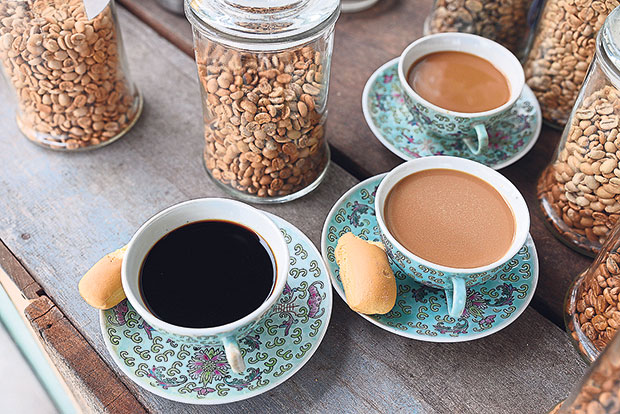
TAIPING, Aug 2 — Tucked away in the outskirts of town — near the railway station — there is a squat little building with smoke billowing out of it coupled with a strong coffee aroma.
Inside, workers are busily feeding an ancient wood fire oven roaster before putting in coffee beans to roast. On the other side, more workers pour in roasted coffee beans into a boiling vat of thick syrup before spreading it out to dry.
Smoke fills the small space and the aroma of roasting coffee beans wafts through the whole building.
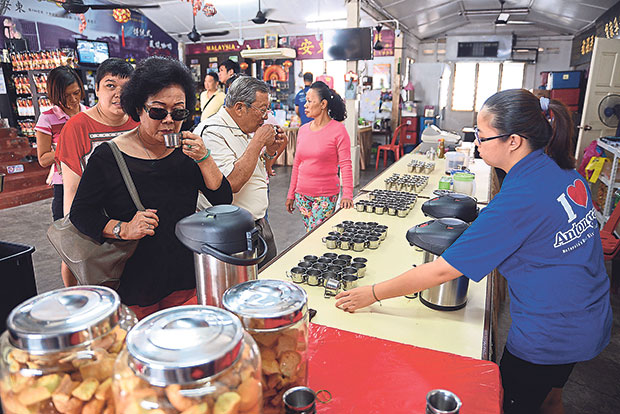
This is the Aun Tong Coffee Mill, also known as Antong Coffee, at Assam Kumbang and it has been in operation since the early 1920s even though it was formally registered and trademarked only in 1933.
Now under the management of third-generation owner, Dr Thian Boon Chung, the coffee manufacturer still follows the traditional way of roasting, mixing and grinding the coffee beans to cater to local coffeeshops in Taiping.
In the approximately two-hour process, the coffee beans — a combination of Arabica and Robusta beans — are first roasted over a wood fire oven.
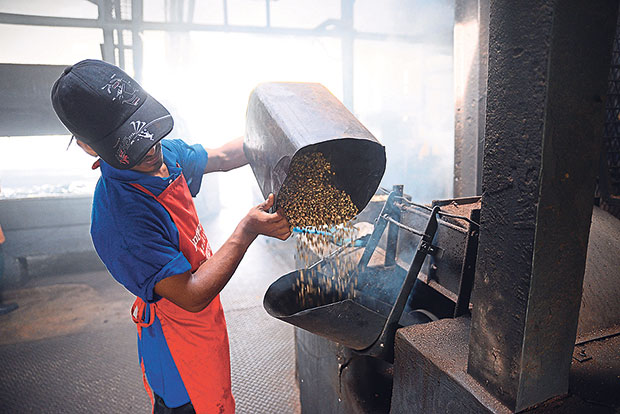
After the beans have been roasted, they are then manually put into another machine, shaped like two large turning wheels, to remove the husks.
A few feet away, two large vats are placed over wood fire ovens as the roasted and shelled beans are mixed with a thick syrup and cooked till it becomes a thick, sticky black mass.
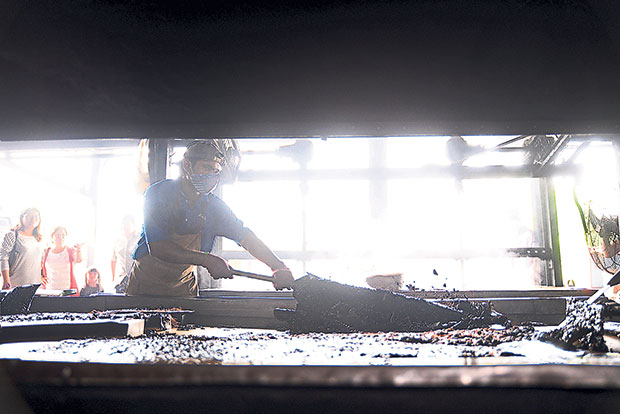
The sticky concoction is then spread out onto a wide flat surface to dry and once that has happened, workers manually break it into smaller pieces before pouring it into a grinder to break it into smaller pieces.
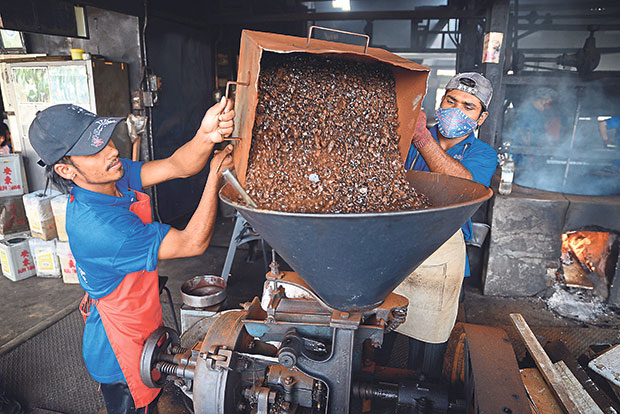
Finally, the fragments are poured into another grinder to ground it into a coarse coffee powder before it is packed into plastic lined tins.
This is the coffee powder used by local coffee shops to make the old style kopi-o (black coffee), often sweetened with sugar.
According to Desmond Lim, a worker at the coffee mill, many local coffeeshops prefer the traditionally roasted coffee to the ones mass produced in their modern factory behind the old factory.
“They can custom order according to their preferences, such as the ratio of sugar to coffee and the ratio of Arabica to Robusta beans,” he said.
Normally, the ratio is 50 per cent sugar (that is melted into a thick sticky syrup) and 50 per cent coffee beans but Lim said some coffee shops prefer different ratios such as 70 per cent sugar, 30 per cent coffee or 40 per cent sugar, 60 per cent coffee, all depending on how they want to prepare their coffee.
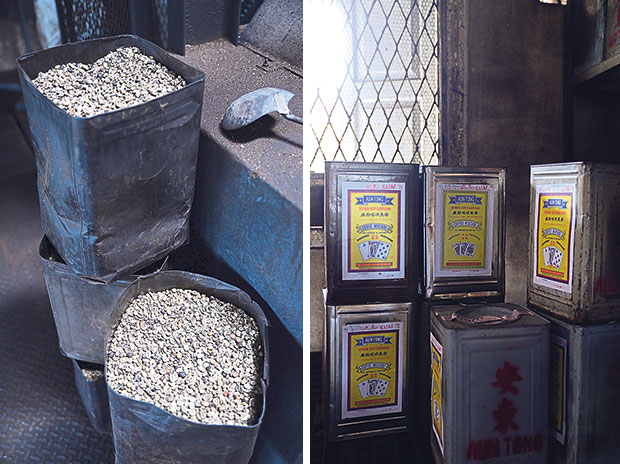
The modern factory mass produces traditional coffee using 100 per cent Arabica beans, most of which are Golden Mandheling beans, and they also produce roasted Brazil Santos beans for modern cafes to make espresso and various types of coffee.
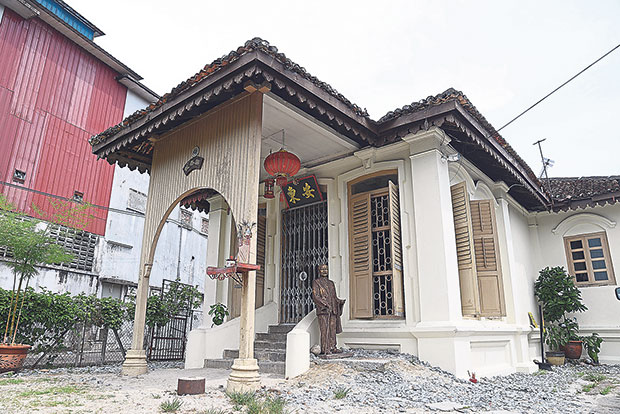
Coincidentally, the Aun Tong coffee mill is located right next to a heritage bungalow, a squat single-storey building where the founding father of modern China Dr Sun Yat-Sen and his companion, Chen Cuifen, once stayed during the 1911 Chinese Revolution.
The bungalow, known as the Chang Chun Pu bungalow or Evergreen Mansion, used to be the base for Dr Sun and Chen to raise funds during that period.
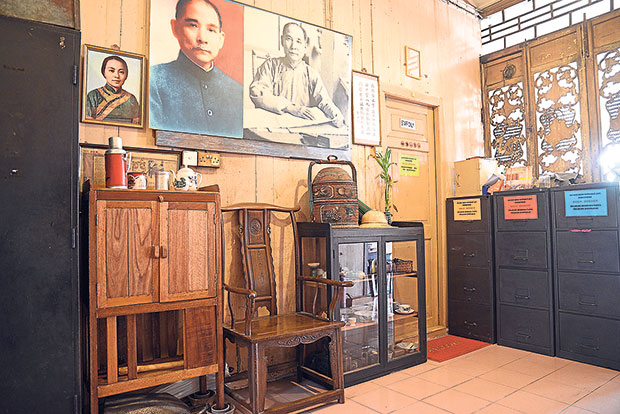
Now owned by Aun Tong Sdn Bhd, the building is kept in good condition and relics of its past are displayed inside for visitors.
The traditional coffee mill is open only on weekdays from 8.30am to 5pm while the showroom selling all of the factory’s products is open daily. The best time to visit the factory is in the morning when the beans are processed to meet orders from local coffee shops.
Antong Coffee (Aun Tong Sdn Bhd)
8A, Assam Kumbang, Taiping, Perak
Tel: 05-8075189
Email: [email protected]
Website: www.antong.my


