


COMMENTARY, Feb 17 — There is a particular rhythm to Chinese New Year gatherings.
They are, on the surface, noisy affairs: doors opening and closing, voices overlapping, chairs scraping.
Phones buzz with messages from other households, other reunions happening in parallel. Someone is always running late. Someone is always hungry first.
Yet, within all this constant motion, there are pockets of stillness that often go unnoticed.
I began thinking about this when the first course arrived at our reunion table: the requisite platter of yee sang.
Yes, it’s loh sang time again.
Ribbons of carrot and daikon carefully arranged, pale pomelo slivers catching the light, shards of crispy salmon skin resting at the centre like fragile ornaments.
When we tossed it, chopsticks clashing and voices rising, it became, as always, a joyful, thunderous tangle.
How many such moments pass us by each year, unnoticed?
For many of us, Chinese New Year has become an exercise in logistics. We keep pace with visits, greetings, social obligations and unspoken expectations.
Our schedules resemble production lines: eat, converse, laugh, exchange ang pows, take photographs, repeat.
We rarely pause to consider what we are truly experiencing.
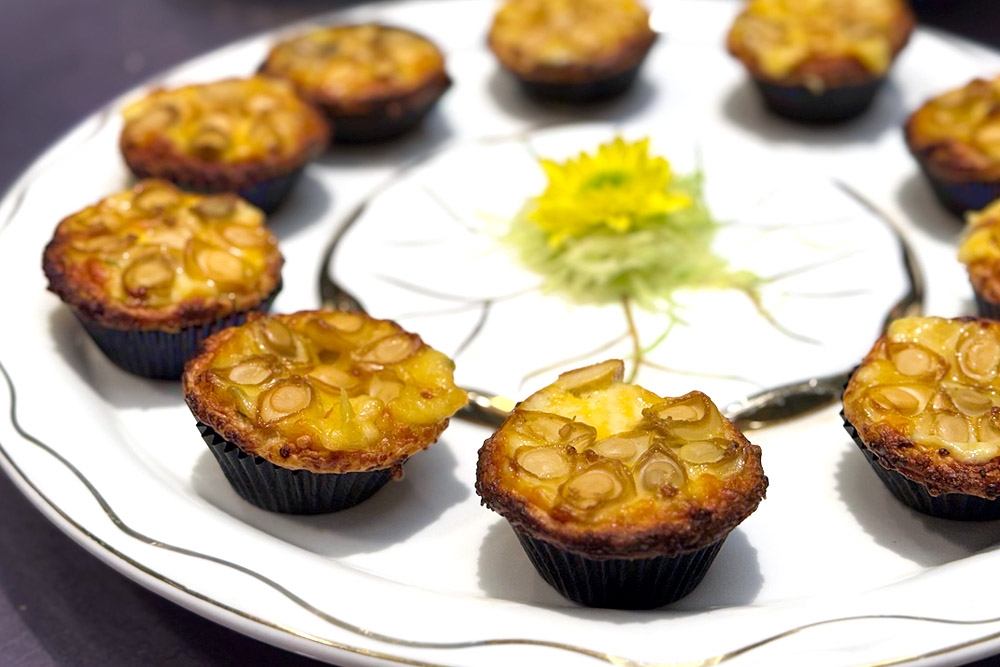
The baked cheese tarts with baby abalones arrived next, still warm. The pastry cups held the tiny morsels of molluscs delicately. Fine strands of pork floss clung to our fingertips.
Such a fleeting, simple pleasure.
Within minutes, it was subsumed by louder discussions: career trajectories, property prices, medical check-ups, the cost of living. These are important topics, of course.
But they often drown out the smaller, individual moments in the cacophony of everyone talking over one another, the chaos of a family catching up for the first time in months.
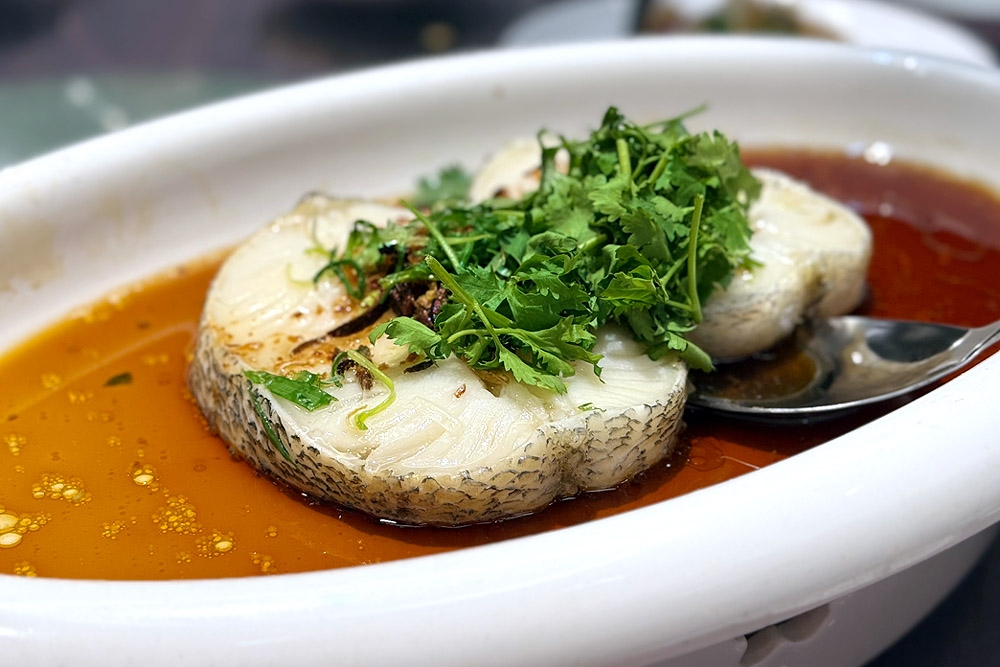
When the steamed Canadian cod was served, the table fell briefly silent. Even the most talkative paused.
The fish lay there, pearly and trembling, while dark slivers of aged tangerine peel released their bittersweet perfume as hot oil was poured over them.
Time was present in that dish: The cod had been cooked with care. The citrus had matured over decades.
It felt, briefly, like a rare metaphor at our table: something that valued patience over speed.
We respond instantly. We document everything. We share without much thought. Even expressions of thanks are compressed into emojis and forwarded messages.
At reunion dinners, we often perform togetherness rather than inhabit it.
We are present, but distracted. We listen, but don’t hear a thing. We eat, but scarcely taste.
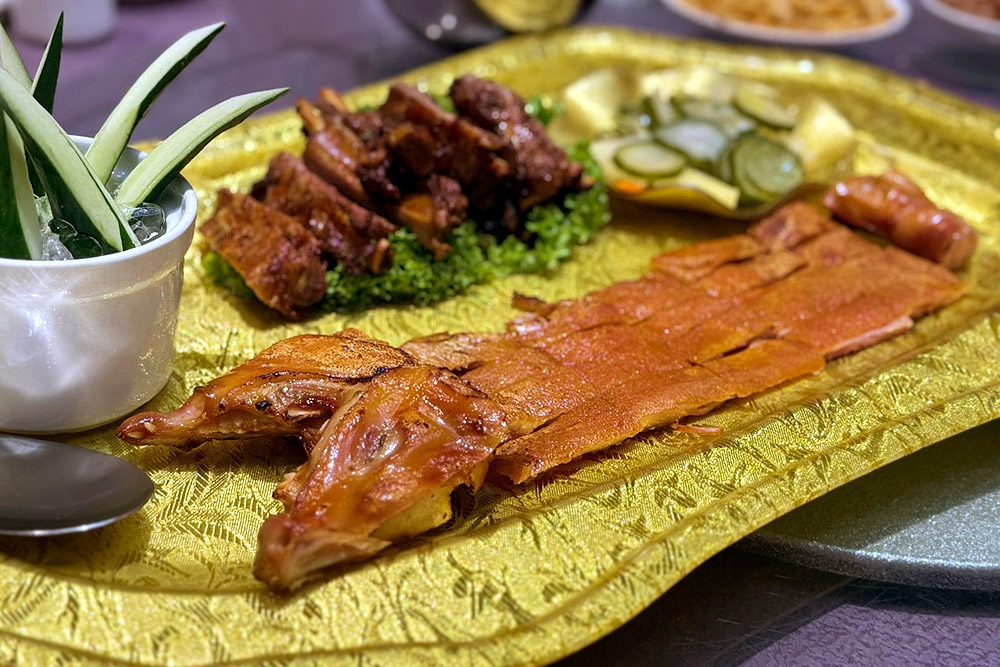
The arrival of the yin yang pork platter — half roast suckling pig, half grilled Iberico ribs — corrected this tendency at once. This was one dish to get everyone’s attention!
Crackling shattered, ribs glistened with char, juices pooled at the edge of the plate. Hands reached out without hesitation. Dietary resolutions were immediately set aside.
This was indulgence, yes, but also participation.
There is something honest about dishes that require a little mess. They resist politeness. They insist that you commit and relinquish composure. Risk greasy fingertips.
Families function in much the same way.
To belong fully is to be affected — by other people’s worries and disappointments, their habits and their histories. Over time, they cling to you as persistently as char siu glaze.
In truth, complexity is not an aberration. It is the default. What changes is our tolerance for it.
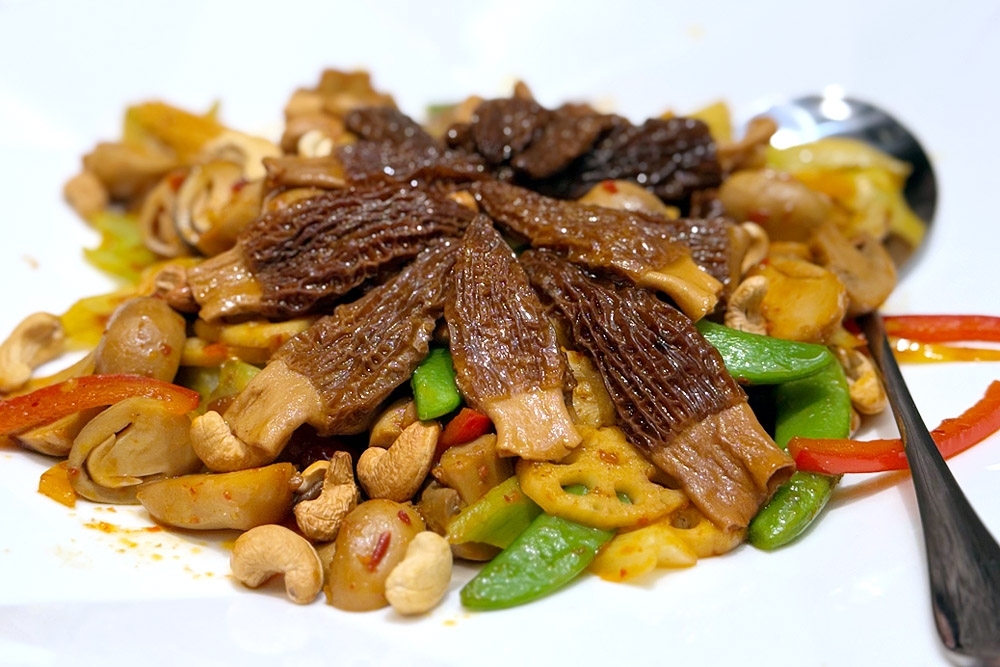
After the richness, the spicy morels with stir fried mixed vegetables was modest by comparison. Earthy mushrooms, crisp greens, a whisper of wok hei. It felt almost medicinal — restorative, grounding.
One of my nieces, who has become more health-conscious in recent years, reached for this first.
“Balance,” she said, but only half-jokingly.
As we get older, festivals become negotiations between pleasure and prudence. We worry about sugar levels, cholesterol, blood pressure.
This changes how we celebrate, and perhaps for the better.
We learn to savour rather than consume. To select carefully rather than pile our plates to the brim. To stop when satisfied, not when our bellies are bursting.
Perhaps this is another form of maturity: learning that abundance does not require excess.
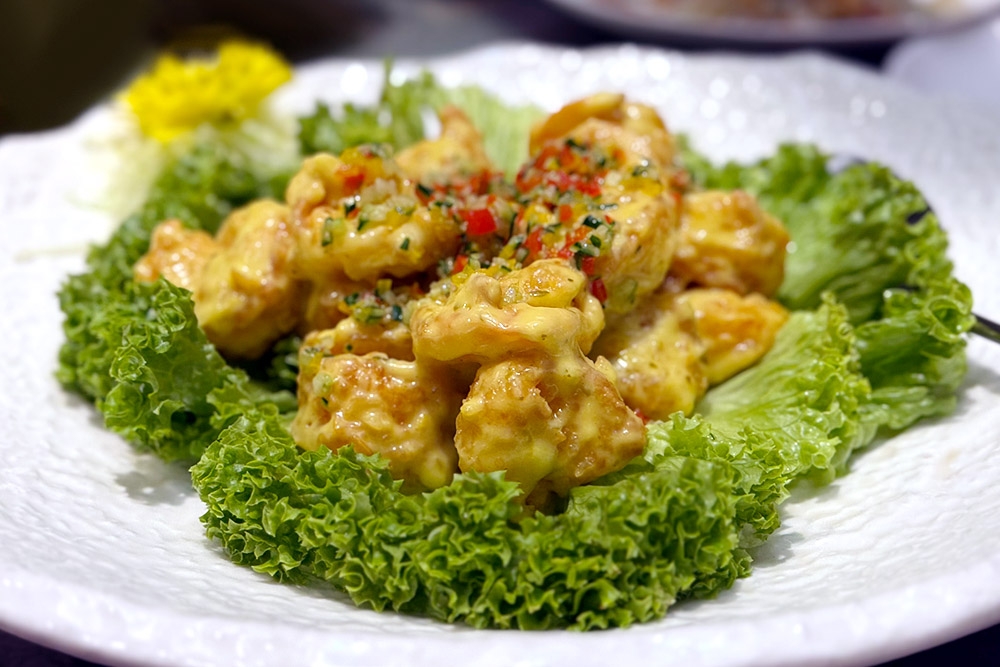
When the deep fried prawns appeared, someone made a predictable joke about “eating the rainbow” on account of the garnish of diced capsicums. (Which nutritionists have encouraged, as each colour is linked to a different nutrient.)
Balance, again.
Chinese New Year wishes often emphasise growth: more wealth, more success, more achievement. Rarely do we wish one another sufficiency or steadiness. Moderation.
Yet these are the qualities that endure.
A life in pursuit of “more” becomes precarious. It depends on perpetual affirmation and continuous comparison. One setback, and the structure trembles.
What we practise at the reunion table — alternating richness with restraint, indulgence with introspection — may be more instructive than we realise.
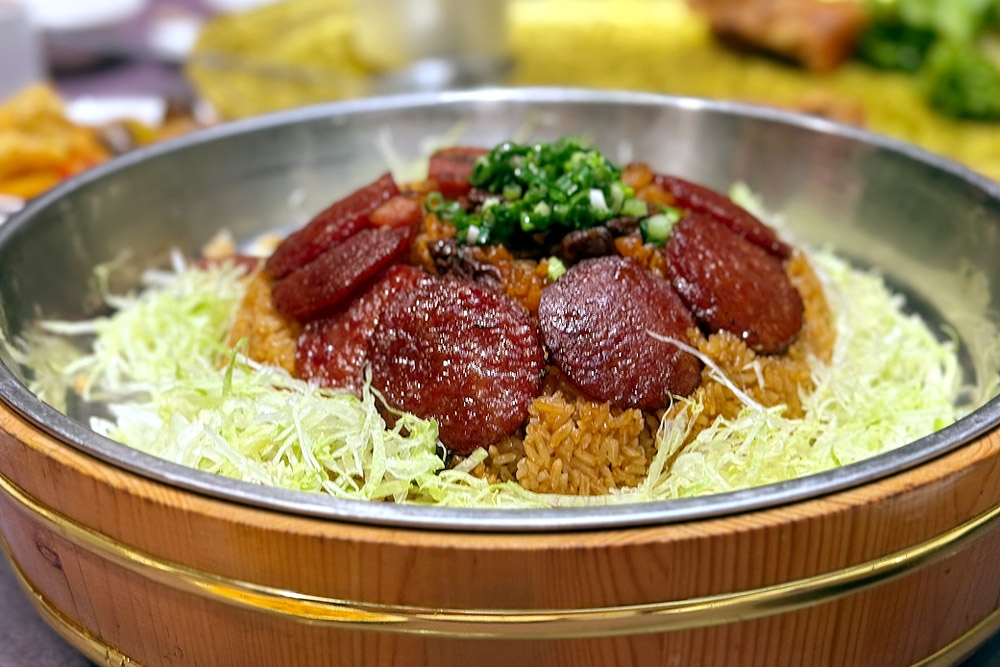
Finally, as always, the lap mei fan arrived.
Before it even reached us, its aroma announced its presence: sweet sausage and cured meat, rendered fat and heady soy. Each grain distinct, full of flavour.
This is the dish that completes our meal, just as every loved one’s presence completes our reunion table, our family.
No matter how full we claim to be, most of us accept at least a small bowl. We must. We are happy to.
Over time, I have come to see lap mei fan as a form of edible memory.
Individually, its components are unremarkable: the rice a staple, a slice of decadent sausage a luxury.
But together, over time, they become something deeper, more resonant than their parts.
Family experiences are similar.
A single conversation is soon forgotten. A single reunion fades. But layered across years — celebrations and disappointments, arguments and reconciliations — they form a narrative that sustains us.
Not always harmonious, no.
Not always orderly.
But meaningful. Always meaningful.
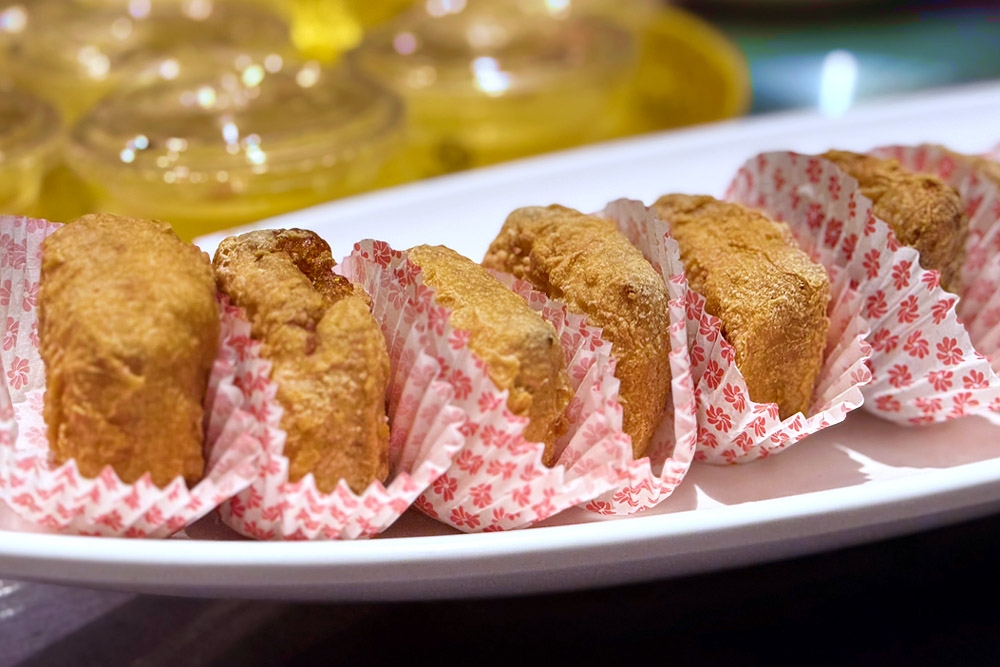
Something sweet to finish: sandwiches of nin gou (literally “New Year’s cake” in Cantonese), freshly fried, its batter crunchy but not greasy. We are celebrating a brand new year after, full of promise and possibilities.
As we sat back, cups of tea replacing bowls, phones reappearing in hands. We discussed departure times. Ride arrangements were negotiated. Servers started clearing plates.
Another reunion edged towards its conclusion.
Perhaps, in 2026 and beyond, as our lives move faster and grow more demanding, the real lesson of the Year of the Fire Horse is not to broadcast success or to display prosperity.
But to sit, briefly, between the rush and the stillness — and recognise that, in that tender space that we share, we are already very blessed. Very blessed, indeed.


