












DECEMBER 9 — Dental implants have transformed modern dentistry. Despite the cost, they look natural, feel stable, and – when well cared for – can last many years.
But there is one myth that needs to be broken: dental implants are not maintenance-free, nor are they guaranteed to last forever. Their long-term survival depends heavily on what happens after the implant is placed, in particular, the aftercare.
Many patients celebrate the end of surgery, thinking the hardest part is over: the cost, the appointments, the discomfort.
But in reality, the true success of an implant begins the very day it is restored and put into function. Without consistent maintenance, even a perfectly placed implant can fail.
The hidden threat: Peri-implant diseases
Just as natural teeth can “suffer” from gum disease, implants can also develop peri-implant diseases.
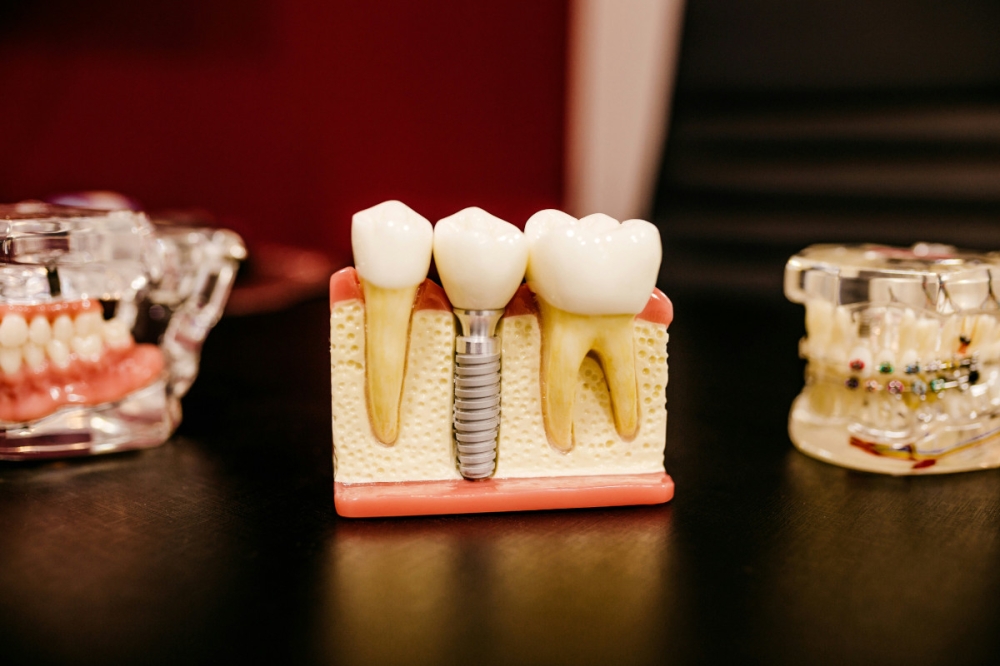
This is an inflammatory condition that affects the gum tissues and bone around an implant, eventually exposing the rough surface of the implant body (fixture).
Unlike other medical implants, a portion of the dental implant – the smooth collar -- is exposed to the oral environment, which harbours more than 700 species of bacteria.
If the collar is not brushed thoroughly, the dental plaque around it will harden into tartar, as it does around the teeth.
While it is easier to treat gum disease because of the smooth root surface, cleaning around an exposed implant body is challenging because of its threads.
Peri-implant diseases are far more common than most patients realise. Current research shows that peri-implant mucositis affects about 40 to 60 per cent of implant patients, while peri-implantitis can affect 15 to 30 per cent of implants, depending on the studied population.
This means at least 1 in 6 implants may experience destructive disease if preventive care is neglected.
Another study conducted in Sweden in 2022 showed that, while the cost of implant maintenance over eight years was slightly lower than that of a single-tooth implant, the cost of complications can be up to two-fold per event.
Dental implants are a long-term partnership
A dental implant is a significant investment – financially, emotionally, and physically.
The surgery may take a day or two, but maintaining it is a lifelong commitment. Like other expensive devices, it needs proper maintenance to ensure its longevity and survival.
Well cared for, an implant can function for many years, sometimes decades. Without it, even the most advanced implant system can fail.
Among the ways you can protect your dental implant:
- Maintain excellent daily oral hygiene: Brush twice daily and use interdental brushes or water flossers to clean around the implant.
- Attend regular maintenance visits, ideally every three to six months. Early detection of inflammation dramatically improves long-term outcomes.
- Stop or reduce smoking: Smoking cessation significantly improves not only your mortality but also implant survival rates.
- Manage your general health: Keep diabetes well controlled. If you have a medical condition, inform your dentist.
- Pay attention to symptoms: Like gum disease, bleeding, swelling, persistent bad breath, or “loose implant” feeling are red flags that must be assessed promptly.
Getting a dental implant is just the beginning. Protecting it is what truly matters.
Until now, a combination of excellent home care and routine professional maintenance has been the only proven strategy to prevent peri-implant diseases.
So, if you have a dental implant – or are considering one – remember: Dental implants are not forever. But with the right care, they can last a very long time.
* Dr Norul Husna Mohamad Hassan is a senior dental lecturer and periodontic and dental implant specialist in Faculty of Dentistry, Universiti Malaya, and may be reached at [email protected]
** This is the personal opinion of the writer or publication and does not necessarily represent the views of Malay Mail.