


OCTOBER 1 — When the government unveiled Budi95, many were quick to call it a step backwards. At RM1.99 per litre, the headline wasn’t deficit reduction but cheaper fuel for all Malaysians with nothing more than a MyKad swipe. To some, that looked like retreat — a government backtracking on its own promise of fiscal discipline.
But look closer, and you’ll see something else entirely. Budi95 is less about the 6 sen drop in pump price and more about planting the seed of a new system. It is the beginning of a cascade that could transform how Malaysia handles subsidies once and for all.
The great debate that came before
Earlier this year, the air was thick with speculation. Would subsidies be replaced with cash transfers? Would there be quotas on how many litres each Malaysian could claim? Would income testing cut off the wealthy while sparing the poor?
Each proposal had its supporters and its pitfalls. A straight float with cash handouts was clean on paper but politically explosive. Strict quotas risked punishing those who drive for a living. Income testing was riddled with data gaps and misclassifications.
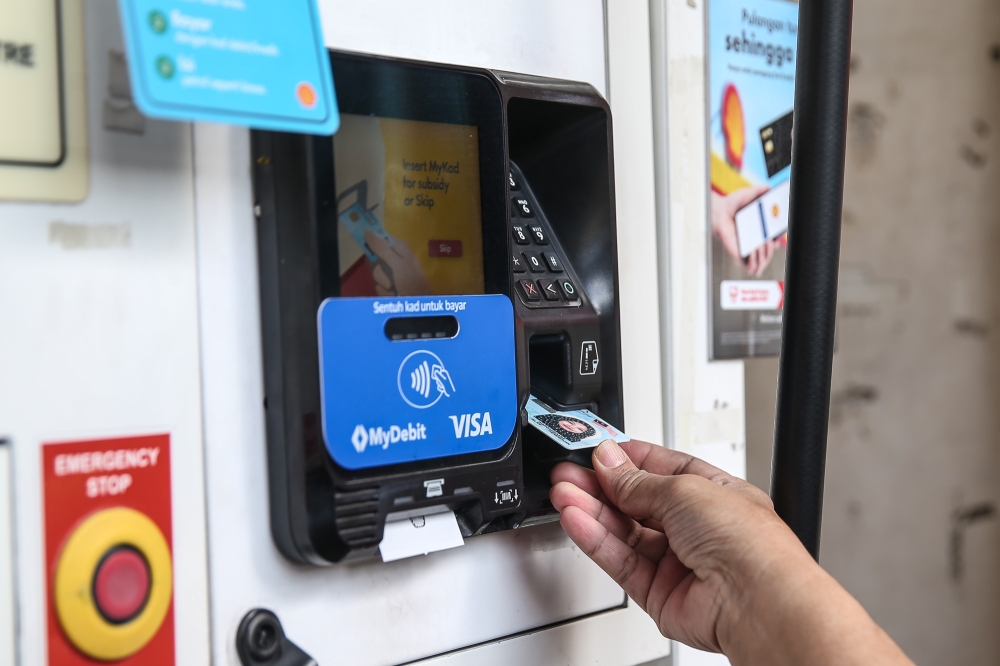
The government chose a middle path — not the cleanest, not the boldest, but the most survivable: tie the subsidy to identity, cap it at 300 litres, and cut foreigners out. In one stroke, they narrowed the leakages and trained Malaysians to get used to flashing their MyKad for fuel.
What the debate missed
In all the noise — the fiscal hawks lamenting slippage, the populists cheering cheaper petrol — something crucial went unnoticed. Budi95 is not really about the price at the pump.
It is about normalising identity as the gateway to subsidies. Malaysians are being acclimatised to a new habit: that benefits are no longer invisible, but conditional, logged, and capped. The real reform is cultural and infrastructural, not fiscal.
That shift is what will make future subsidy rationalisation possible. Without this first step, any sudden move to float prices or tighten quotas would have been political suicide. There was even a Singapore-based analyst that suggested that RON95 subsidy reform would be so politically challenging that it would not be implemented in this term of government. By focusing narrowly on six sen, critics and supporters alike missed the bigger play.
A clever setup, not a retreat
Seen this way, Budi95 isn’t subsidy largesse. It’s a rehearsal. The government is teaching Malaysians that subsidies are not infinite, that identity matters, and that limits exist.
This is clever political sequencing. To impose identity checks after announcing a painful price hike would have been chaos. By flipping the order — MyKad first, price later — the government bought itself breathing space. Malaysians are now acclimatising to the infrastructure without feeling the sting of higher prices… at least not yet.
What happens next
And that’s where the story really begins. Because Budi95 is not the endgame — it’s just the opening move. Once the pipes, pumps, and databases are humming smoothly, the government will be free to pull the next lever.
Phase One could be a tightening of the quota. That 300 litres might one day shrink, or be varied by vehicle type.
Phase Two could mean differential pricing. Small cars and motorbikes get one rate, luxury SUVs another. Commercial drivers might be carved out as their own class.
Phase Three is the holy grail — a full float, with direct cash assistance for the vulnerable. At that point, Malaysia will have crossed the Rubicon: fuel sold at true market price, subsidies flowing not at the pump but straight into pockets.
And beyond that lies transformation. Savings from subsidy reform can be poured into public transport, renewable energy, EV incentives. The very roads we drive on could be reshaped by this rpocket
It sounds ambitious. But without the MyKad scaffold of Budi95, none of this would even be technically feasible.
The die has been cast
This sequencing buys the government something precious: time. Subsidy reform is always tinder waiting for a spark — remember 2013, when protests erupted over a modest price hike? By easing Malaysians into the habit of MyKad-based verification before the sting of higher prices, the government blunts the outrage. Each small step softens the ground for the next.
But patience can cut both ways. Budi95 could calcify into a permanent halfway house, where subsidies are capped but never truly rationalised. The system might serve as political camouflage rather than fiscal reform, buying popularity but draining public coffers.
Or it could be the start of something irreversible. Once the system is accepted, once identity has become the key to subsidy, the government has already crossed its Rubicon. From here, the logic of reform pulls us forward: to rationalisation, to market pricing, to a leaner fiscal future.
Like Caesar at the river, the step looks small — a foot in the water, a minor adjustment at the pump. But the implications are historic. The die has been cast. The crossing has begun.
Alea iacta est.
* This is the personal opinion of the writer or publication and does not necessarily represent the views of Malay Mail.


