


APRIL 25 — The Malaysia Madani government was formed after the November 2022 general election. In less than six months the new government had declared two unscheduled public holidays.
The first unscheduled public holiday was on Monday, November 28, 2022 where the Prime Minister declared it in conjunction with the formation of a unity government and his appointment as the country’s 10th prime minister. The second unscheduled holiday was on Friday April 21 in conjunction with Hari Raya Aidilfitri. The moves have the attributes of populism.
Malaysia is among the countries which have the most public holidays. It is not uncommon that some states even take the slimmest excuses such as winning a football league to declare a state public holiday.
Generally, salary earners love to have holidays, the more the merrier, as their monthly salary is not affected. However, holidays are dreaded by those who earn daily wages. To them an unscheduled public holiday means no income for another day.
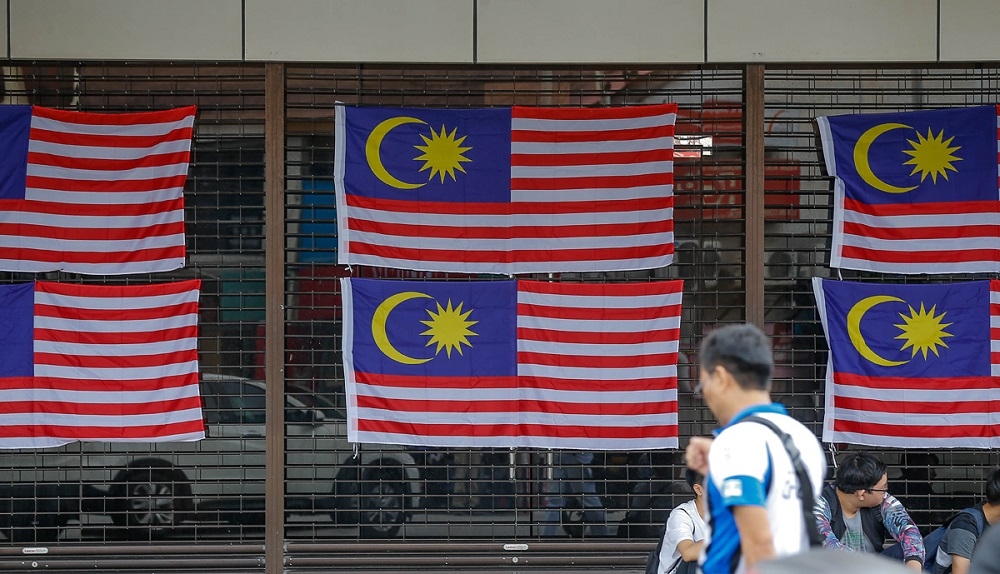
Though public holidays are seen as extra days to rejuvenate and spend time with family and friends, most employers are somewhat annoyed with the unscheduled public holidays.
Businesses that deal with services and manufacturing find a sudden public holiday a nuisance. This is because it affects planning and decisions across their entire manufacturing supply chain. The rescheduling of logistics and inventory services can be expensive.
There are companies which must meet tight delivery orders set by their foreign customers who may not be aware of an unscheduled public holiday in our country. The fulfilment of orders, contractual obligations, deliveries, and logistics are dependent on planning. These are disrupted by unscheduled holidays.
Malaysia is already a high-cost country in terms of basic manufacturing as we depend heavily on foreign labours. The frequent holidays make it more difficult for the country to compete with low-cost production countries.
With stiff competition from the emerging industrial economies in this region, our manufacturers have no choice but to keep their plants operating on unscheduled public holidays, even at the cost of sacrificing their profit margin to pay the overtime wage rates.
The productivity in Malaysia is already low. The government should maintain the 48 hours per week work instead of reducing it to 45 hours per week. The government should also review the number of public holidays and do away with the minor public holidays. The least the government could do is not to grant the following weekday a replacement holiday if a public holiday falls on the weekend.
Having too many public holidays is an extravagant practice that could significantly impact the economic management of the country.
* This is the personal opinion of the writer or publication and does not necessarily represent the views of Malay Mail.


