


DECEMBER 29 — Online shopping has become part of everyday life in Malaysia. A mobile phone accessory ordered for just a few ringgit; a household item shipped from overseas at a bargain price. Often, these parcels arrive without any tax being charged. Most consumers see this as a win.
This short-term gain comes at the cost of long-term harm to domestic businesses, as Malaysia’s market is flooded with cheap, below-cost everyday goods, displacing local manufacturers and crowding out higher-quality products.
Before we realise it, our local manufacturers and businesses, which are the key providers of employment for Malaysian workers, risk being marginalised or forced out of the market as a result of “race to the bottom” pricing strategies associated with low-value imported goods from e-commerce.
Besides that, the social, environmental, and public health risks arising from unsafe, hazardous, and counterfeit products extend far beyond purely economic considerations, imposing substantial remedial and regulatory costs on the government. For example, unsafe food products via e-commerce, such as ready-made meals, pose significant public health risks that are likely to result in substantial long-term healthcare costs.
Similarly, counterfeit pharmaceuticals and dietary supplements can lead to serious health complications or treatment failures, placing additional strain on healthcare systems. Hazardous toys or electronic devices with faulty wiring sold online can cause injuries or fires, increasing emergency response and consumer protection costs. Even contaminated cosmetics or personal care products can result in skin diseases or allergic reactions, requiring medical attention and regulatory interventions.
These “cheap deals” are made possible by a relatively obscure policy known as the de minimis rules, which apply to small consignments or low-value goods. Under these rules, low-value imported parcels can enter the country without incurring customs duties or sales tax. When first introduced, the policy was practical, as the cost of processing taxes on very small items often exceeded the revenue that would have been collected.
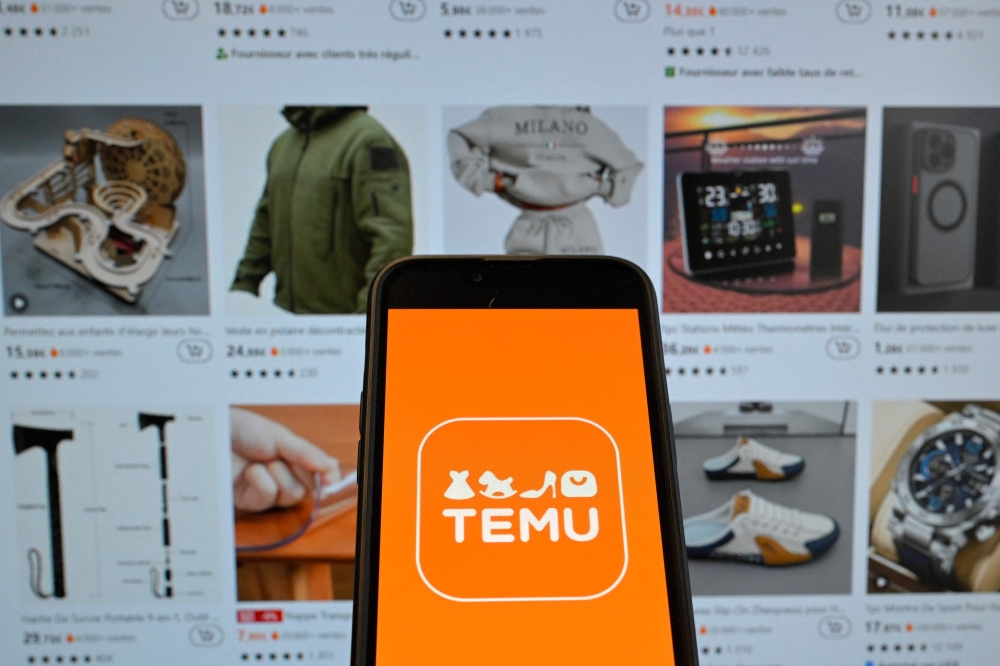
Originally designed to enhance customs efficiency, the de minimis rules are increasingly being questioned in the context of the rapid growth of e-commerce. Critics argue that they can lead to significant revenue losses and create unfair competition for domestic businesses, sparking ongoing discussions at the World Trade Organization (WTO).
Today, online platforms ship millions of small consignments across borders each year. What was once a rare exception has gradually evolved into a system that advantages foreign sellers over local businesses, particularly micro, small, and medium enterprises (MSMEs). A Malaysian retailer offering the same product must charge tax and bear additional costs such as rent, wages, and compliance with local regulations. In contrast, a foreign seller can deliver the product tax-free simply by keeping each parcel below the de minimis threshold.
To consumers, the price difference may seem minor; however, when multiplied across thousands or even millions of parcels received monthly, the cumulative effect is substantial. For local businesses, this creates a serious competitive disadvantage. However, the consequences extend beyond immediate financial losses.
As tax revenue is lost through the influx of numerous low-value imports, the government has fewer resources to fund essential public services such as healthcare, education, and infrastructure. Meanwhile, customs authorities are burdened with an overwhelming volume of parcels, reducing their capacity for thorough inspections and increasing the likelihood that unsafe or counterfeit products reach consumers.
This issue is not unique to Malaysia. Governments worldwide are re-evaluating de minimis rules: some have raised or eliminated thresholds, while others now require online platforms to collect taxes at the point of sale, ensuring that consumers pay fairly and transparently, just as they would when purchasing from a local store.
Crucially, this debate is not about restricting online shopping or penalising consumers. E-commerce delivers real benefits, including convenience, variety, and lower prices. The challenge lies in fostering digital trade in a manner that is fair, safe, sustainable, and equitable for all market participants.
When identical products are treated differently solely because one is purchased online from overseas, confidence in the tax system diminishes. Over time, this erosion of trust affects everyone. A small parcel arriving at your doorstep may seem insignificant, but when multiplied across millions of shipments, it determines who pays taxes, who profits, and who ultimately bears the cost in today’s digital economy.
Over time, foreign sellers have increasingly gained market advantages under the de minimis rules, gradually displacing local businesses. Consumers increasingly rely on a small number of dominant online platforms to access products, which concentrates market power in the hands of a few global companies. This concentration weakens competition, as smaller local businesses struggle to compete on price, visibility, and reach.
As a result, consumers face a more limited range of choices and may be exposed to higher prices, lower-quality goods, or less responsive customer service. Over time, this reliance on a few major platforms can reduce market diversity and innovation, further entrenching the dominance of foreign sellers.
When issues arise, such as unsafe or defective products, consumer protection becomes more difficult to enforce. What appears inexpensive today may ultimately prove costly in the long term. In response to these risks, many countries are revising their tax-free import regulations, recognising that the old rules no longer align with the realities of today’s e-commerce landscape.
This is why the de minimis rules merit public scrutiny — not merely as a technical tax matter, but as an issue of fairness that affects everyday life in the digital era.
* Hal Lai Keong and Dr Ong Tze Chin are from the Faculty of Law, Universiti Malaya. Dr Ong Tze Chin may be reached at [email protected].
**This is the personal opinion of the writer or publication and does not necessarily represent the views of Malay Mail.


