


KUALA LUMPUR, July 27 — Goh Liu Ying knows what it means to stand on the world stage.
An Olympic silver medallist and former badminton darling, she spent most of her life chasing glory under stadium lights and carrying the nation’s hopes.
These days, her court looks a little different.
“I played two to three times a week before I gave birth, sometimes for three hours,” she told Malay Mail in a recent interview.
But she wasn’t talking about badminton – she was talking about pickleball.
The fast-growing sport, a mix of tennis, ping pong and badminton, has quietly gained a cult following in Malaysia’s parks and community courts.
“You’re asking a badminton player,” Goh laughed when asked if it could rival her first love.
“Pickleball can be a social sport. But if it can enter the Olympics, I guess it has a chance,” she said.
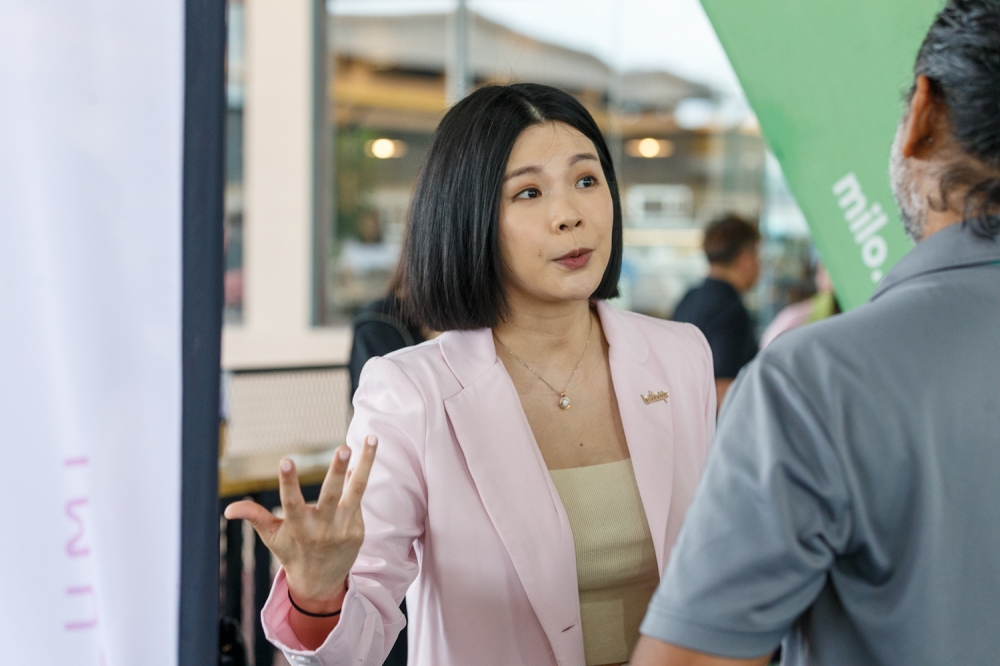
For career athletes like Goh, Olympic status still matters.
“All of our planning as athletes revolves around the Olympics. You can get pension money and salary if your sport is in. If it’s not, it’s tough,” she said.
Still, she’s drawn to pickleball’s relaxed, inclusive energy – a refreshing change from the grind of elite competition.
“You can go pro or just be social. That’s the advantage. You don’t even need to train hard, you can just show up and enjoy,” said the 36-year-old mother of two.
That same spirit of freedom is what lured Christian Didier Chin, once one of Malaysia’s brightest tennis prodigies.
“I didn’t find it so fun anymore,” Chin said of his tennis career.
“I didn’t find travelling fun because I didn’t have a team.”
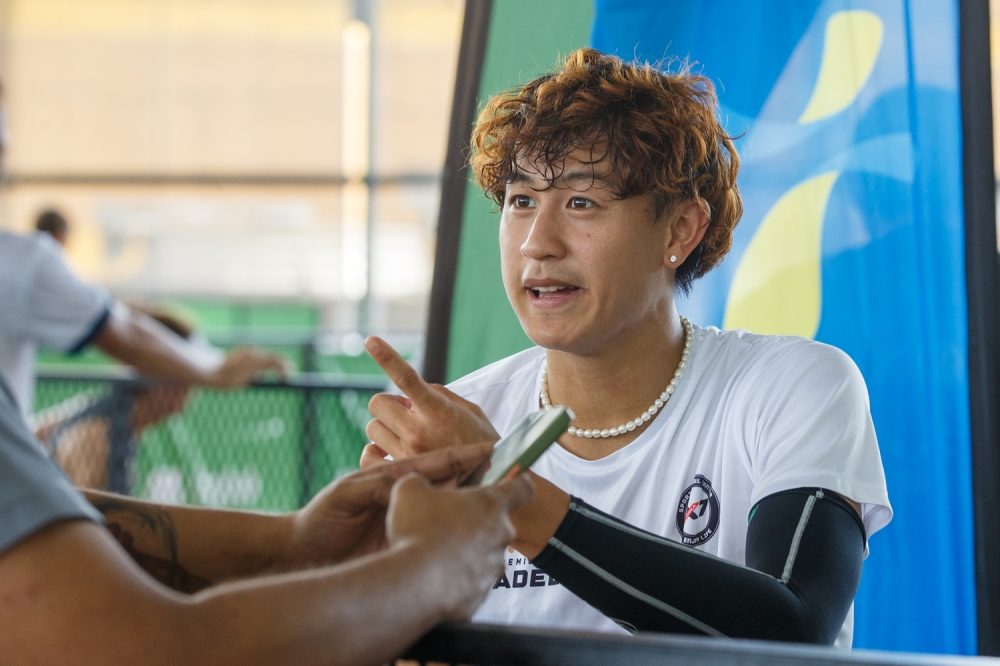
After leaving the pro circuit at just 22, Chin tried to revive local tennis by working with influencers to create buzz – like Dylan Gee of ‘Tennis with Dylan’ fame.
But a surprise entry into a paddle tournament changed his course entirely.
“We won. RM20,000 prize money. My whole life I played tennis in Malaysia, there was no money like that,” Chin recalled.
He now plays both pickleball and paddle professionally, and is currently ranked top three in Asia for paddle.
“Tennis is just my business now, to sustain myself. Pickle and paddle is my profession.”
What keeps him hooked is simple.
“Instead of taking it so seriously I play any sport now as long as I’m enjoying it.”
Another convert is Colin Wong Wei Ming, a former national junior tennis player.
After college tennis in the US and five years in finance, he stumbled upon pickleball early last year.
“I came from a very competitive background. Pickleball reignited that spark in me after my tennis career was done,” Wong said.
By August that year, he quit his job to go all in.
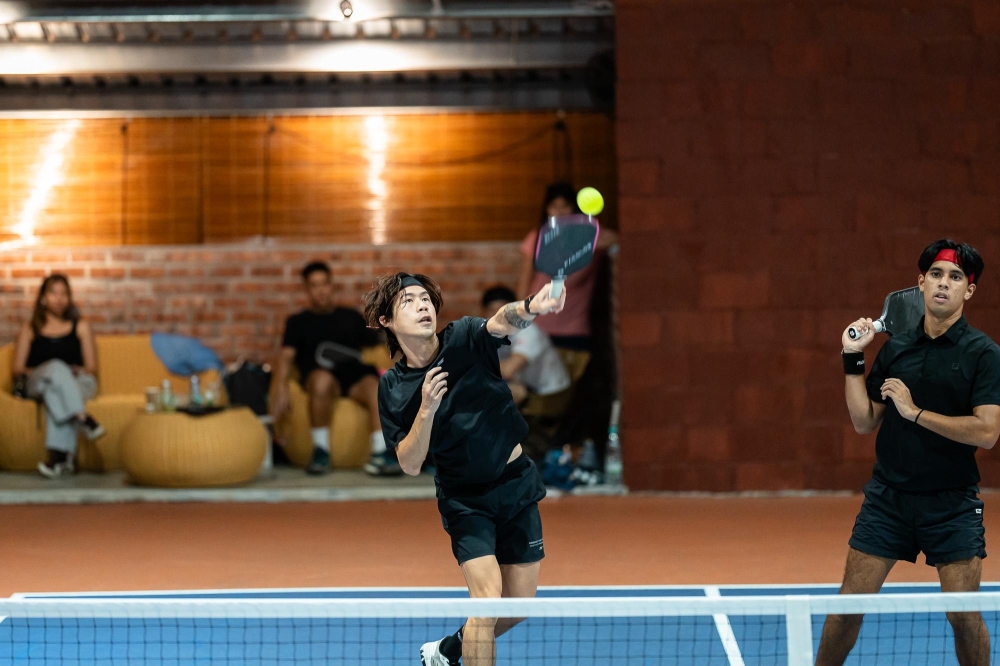
“I had to decide. I couldn’t keep juggling both. My friends and family told me this might be a once-in-a-lifetime chance so I decided to just go all out on pickleball,” he told Malay Mail.
Today, he trains like any serious athlete, with a manager, strength coach, physiotherapist and nutritionist.
His goal is simple – to push himself as far as he can.
“The good thing about pickleball is it’s more of socialising first then playing. The culture is nurturing and very welcoming,” he said.
“It’s so inclusive. Doesn’t matter your background and the games go by fast, so it’s easy to connect with people, to unwind. That’s what makes it special.”
Pickleball may not have the legacy or Olympic pedigree just yet.
But for a growing number of Malaysian athletes, it offers something just as valuable – a second act.
One that’s less about medals, and more about meaning.


