


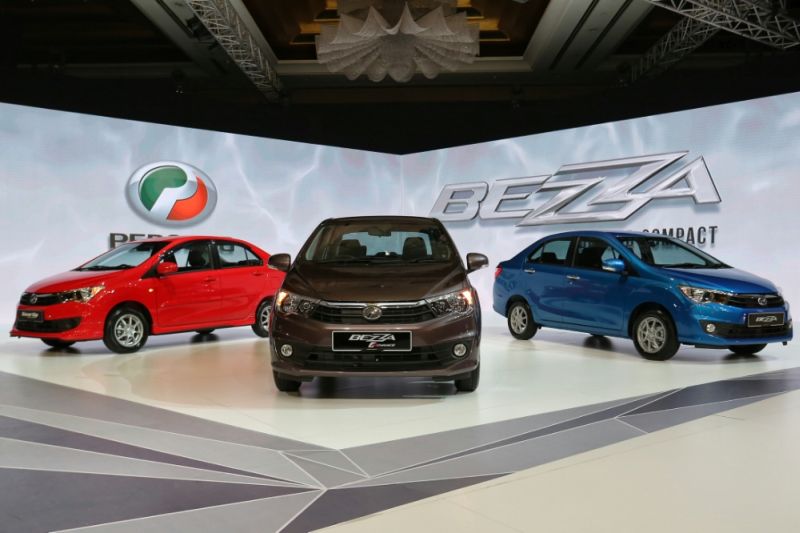
KUALA LUMPUR, Aug 15 — Malaysian car industry players must strengthen their technological capabilities to remain competitive as highlighted by the National Automotive Policy 2014 (NAP 2014), said Malaysian Automotive Institute (MAI) Chief Executive Officer, Mohamad Madani Sahari.
Mohamad Madani said NAP 2014 set the focus to enhance the competitive advantage, both efficiency and productivity, of local vendors and original equipment manufacturers (OEMs) to ensure their ability to participate and compete in the ASEAN Economic Community (AEC).
“As the NAP 2014’s 2020 target looms, it is important that the industry’s technological edge is strengthened in the key areas of engineering design, prototyping, product validation and process development.
“The global car ecosystem has created the need for shorter and cost-effective product development cycles, and our local industry is not spared from the need to cope with this trend in order to remain competitive,” he said at the 3rd Asian Automotive Manufacturing Summit in Tenggarang, Indonesia, here today.
The text of his speech was released here today.
Mohamad Madani said AEC opened up opportunities of bigger demand to local vendors for parts and components by OEMs within the region but also resulted in direct competition from vendors in other member countries for similar parts and components required locally. “The lower-tier manufacturers supplying specialised or half-finished parts and components to local assembling companies would have better business opportunities as the companies are expanding their markets to other member countries,” he said.
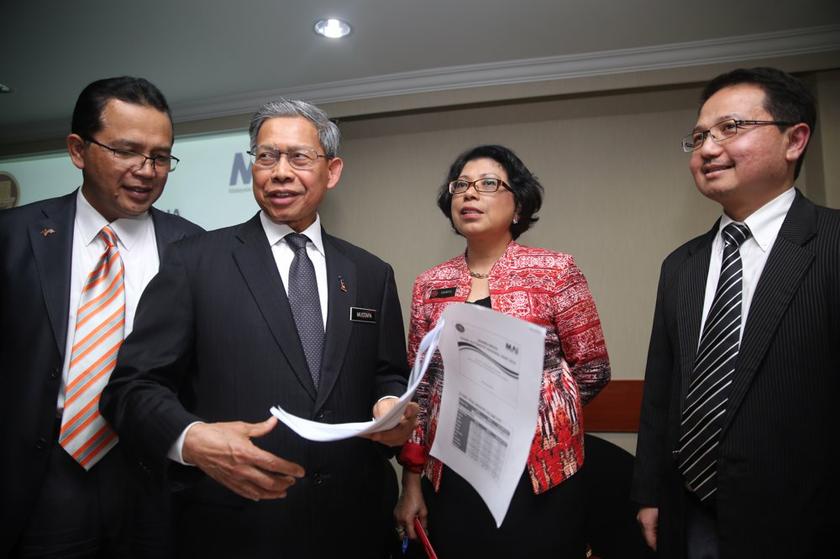
Nevertheless, he said, quality produced and lower cost would be the key parameters for the local car businesses to participate or to survive in the promising markets to be offered by the AEC.
He said as technology acquisition was a challenge for the local community, MAI has embarked on the implementation of the MAI Intelligent Technology Solution (MITS).
“MITS is an ambitious project that comprises an integrated technology solution for both the manufacturing and after-sales sectors, from product conceptualisation to vehicle after-sales support,” he said.
He said in the area of product and process development, the MITS’ Design Engineering and Prototyping (DEP) programme provided a platform through shared facilities of software and hardware to use the entire car community’s expertise in design and analyses.
“DEP has so far benefitted more than 100 parts and components manufacturers (vendors) and vehicle manufacturers like Perodua and Proton,” he said.
On after-sales sector, Mohamad Madani said, it would receive a technological boost through the implementation of two solutions, plugged into the MITS system.
The two solutions, namely, MAI Garage Information System (MAGIS) and CarBengkel, will provide service centres, spare parts distributors and consumers with a single interface to meet their after-sales needs.
Meanwhile, Mohamad Madani said supply of quality and highly skilled manpower was also vital to achieve high level of efficiency and productivity among the local vendors.
He said MAI, with the full support of Ministry of International Trade and Industry, has aggressively implemented on-the-job training programmes for young graduates and school leavers to develop their careers in the last few years. — Bernama


