SINGAPORE, May 25 — Emerging Asian currencies were tentative today as investors grappled with a range of factors, including easing oil prices, retreating US bond yields and US President Donald Trump's decision to scrap a planned summit with North Korea's leader.
Khoon Goh, head of Asia research for ANZ, said the pull back in US bond yields and lower oil prices have helped “stabilise Asian currencies somewhat today.”
Market sentiment remained fragile after Trump abruptly called off a planned summit with North Korean leader Kim Jong-un in June.
However, conciliatory comments from North Korean Vice Foreign Minister Kim Kye Gwan helped to ease fears of a renewed escalation in tension on the Korean peninsula.
Against a basket of six other currencies, the dollar index added 0.2 per cent to 93.907. In overnight trade, US Treasury yields fell on safety buying.
South Korea's won pushed up 0.2 per cent at 1077.3.
“Dollar-won has also retraced its initial surge to 1,085, but markets could stay cautious over potential outflows as the geopolitical risk premium is repriced higher for Korean assets,” Mizuho bank said in a note.
The Singapore dollar dipped 0.1 per cent.
Philippine peso
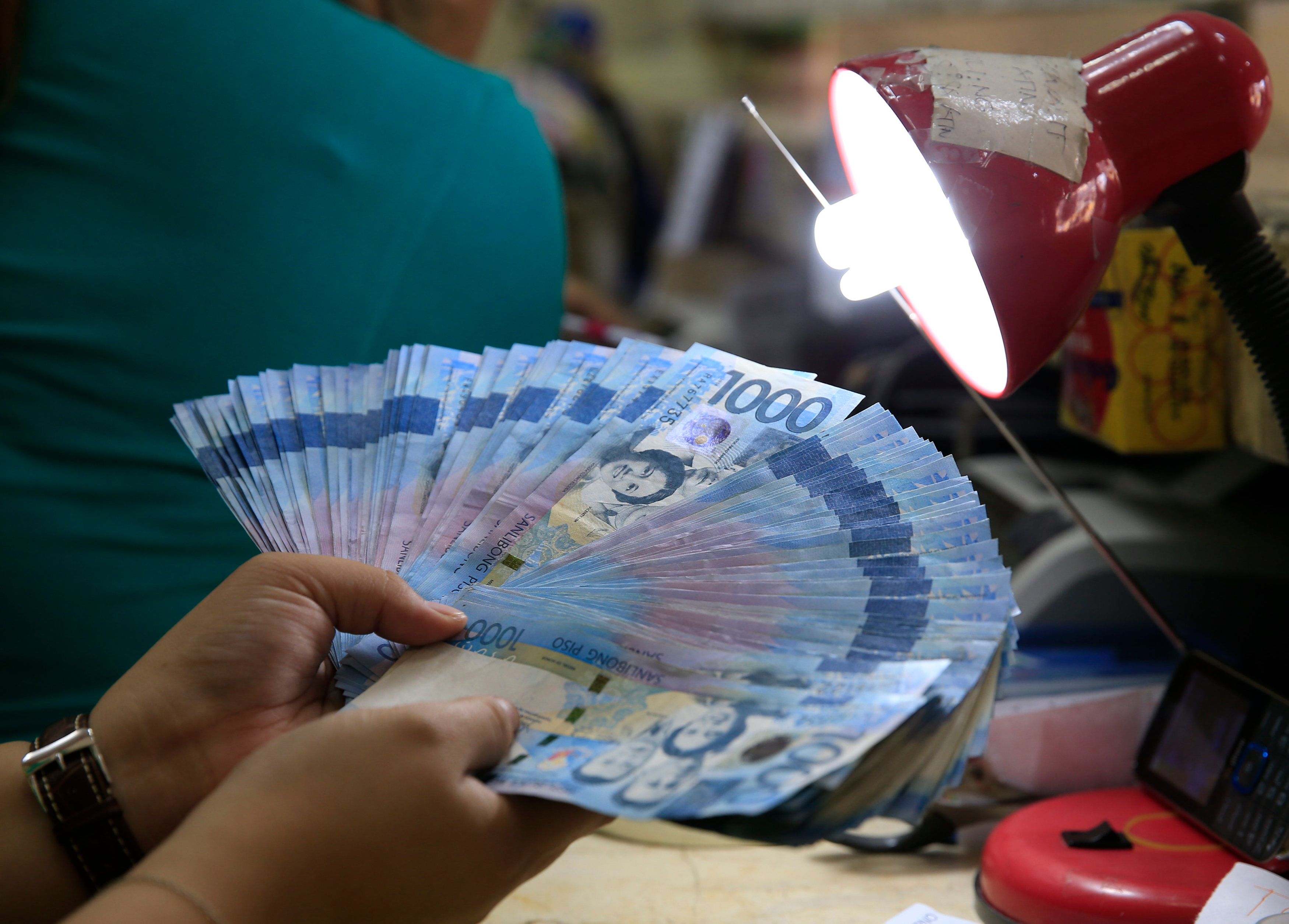
The Philippine peso slipped 0.1 per cent to 52.519 against the US dollar, a day after the country's central bank cut banks' reserve ratio.
The 1 percentage point cut is expected to add around 100 billion pesos (RM144 million) in liquidity to the financial system, analysts said, in turn putting more pressure on the peso which hit fresh 12-year lows earlier Friday.
“The RRR cut is designed to replace some of the liquidity lost through the Bangko Sentral ng Pilipinas intervention, so it's not seen as an easing” in monetary policy, ANZ's Goh said.
“The external position is the main driver for the peso weakness for the time being and it's not expected to change anytime soon.”
Indian rupee
The Indian rupee was a shade firmer at 68.245, as oil prices fell further from the November 2014 high's of US$80 (RM318) per barrel touched last week, providing some relief to the world's third largest importer of oil.
“The rupee has been hit hard in the last few weeks, but we are seeing a bit of a respite on the back of (lower) oil prices,” Goh said.
However, “the external account pressure will continue” remains a risk for the rupee and will act as a dampener, he said.
The rupee is on course to weaken for a seventh straight week. — Reuters