


KUALA LUMPUR, Jan 25 — For the many strata property residents, fire safety may not be as assured as it seems, with nearly two in four premises inspected by the Fire and Rescue Department Malaysia (Bomba) last year being flagged for potential fire hazards.
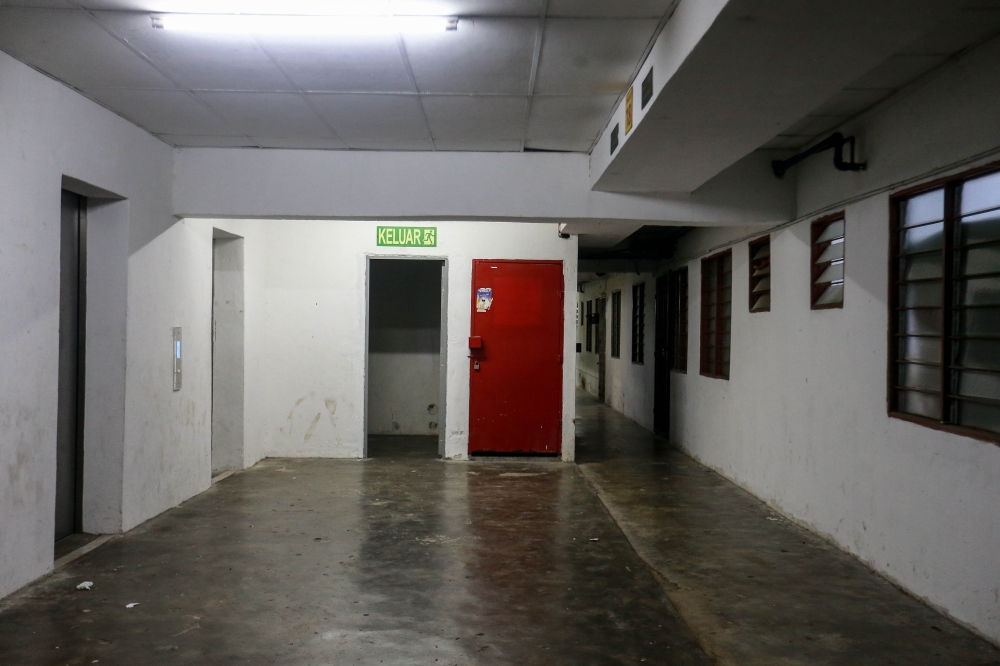
In many cases, the problems were plain to see — whether it was missing fire-fighting equipment or fire safety installations that had clearly not been maintained.
Per Section 8 of the Fire Services Act, the Fire and Rescue Department of Malaysia (Bomba) can issue a fire-hazard abatement (MBK) notice for any of six defined fire hazards provided under Section 2 of the same Act.
“Whether a building posed a high fire hazard risk would depend on how their fire extinguishment and safety systems are maintained.
“Non-compliant of either one of the six fire-hazards already puts the premises at risk, what more when a premises is served multiple MBK notices for numerous fire-hazards discovered,” Bomba director-general Datuk Seri Nor Hisham Mohamad said in a recent interview.

Malay Mail wanted to know the fire risk for Malaysians living in high-rises following the nightmare blaze at the Wang Fuk Court apartment complex in Wai Po, Hong Kong last November that burnt for nearly two days and claimed the lives of 161 people, most of them residents in seven out of the eight blocks, as well as a firefighter on duty.
According to Nor Hisham, Bomba’s latest findings highlight the importance of staying vigilant about fire hazards, particularly in high-density strata properties where neglected fire safety and extinguishment systems can turn a fire into a serious threat.
Condos, apartments at heightened risk
Last year, strata properties, including condominiums, topped the list with 3,123 MBK notices issued, highlighting existing fire risks that could hinder emergency responders by delaying equipment deployment or restricting personnel access.
“That is an average of 16 MBK notices issued per premises alone with the majority being unmaintained fire extinguishment and safety systems.
According to Bomba’s data, a total of 453 strata properties were inspected nationwide last year, with 192 of them — or 42 per cent — receiving at least one MBK notice.
“Bear in mind that for each fire-hazard discovered during inspection, one MBK notice is served.
“Malfunctioning lifts and water pump systems pose the most serious fire hazards, as both are vital for effective firefighting — after all, how can you fight a fire at its most critical without access and water?” he said.
Apart from scheduled inspections, Nor Hisham said his department also responded to public complaints regarding premises posing heightened fire-hazard risks.
Up until November, the department received 70 complaints nationwide, leading to unscheduled inspections and the issuance of 1,210 MBK notices.
This was an increase of 46 per cent from 2024, when the department had issued 825 MBK notices from 164 complaints received.
Nor Hisham said the rectification period for MBK notices ranges from 24 hours to 180 days, depending on the required abatement work, adding that non-compliance may lead to fines, imprisonment, or even a court-ordered closure of the premises.
Silver lining
While the number of MBK notices served has increased despite reduced public complaints received in the past year, Nor Hisham explained that this was attributed to heightened public awareness on fire-hazards risk in their premises.
“Because the increase in MBK notices served means that there are now more people coming forward and getting in touch with Bomba for an inspection instead of complaints being lodged against them.
In fact, many premises owners or occupants know which systems require maintenance but neglect them, underestimating the dire consequences during an emergency.
“They are aware of their fire safety and extinguishment system shortcomings but now need the department’s expertise to determine how extensive these weaknesses are,” he added.


