


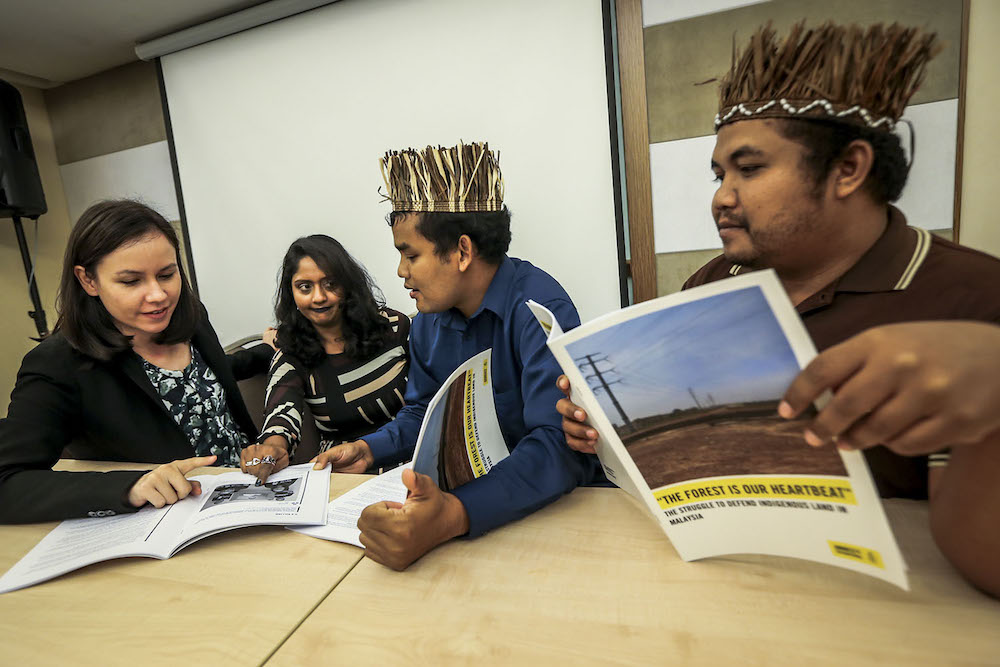
PETALING JAYA, Nov 29 — Amnesty International (AI) Malaysia today said the government’s decision not to ratify the International Convention on the Elimination on Racial Discrimination (ICERD) could have an adverse impact on marginalised communities like the Orang Asli.
The group said that most of Malaysia’s indigenous peoples are already left out of mainstream policy decisions, giving them little legal and social protection that otherwise could have been rectified if the country had adopted the ICERD.
The international human rights advocacy group released today a report documenting systemic discrimination against the Orang Asli, who despite being accorded special status in the Federal Constitution, continue to be victimised.
“These findings emerge as Malaysia’s new governing Pakatan Harapan coalition embarks on a reform agenda.
“The Malaysian government must carry out prompt, thorough and impartial investigations into attacks, threats and assaults against human rights defenders.
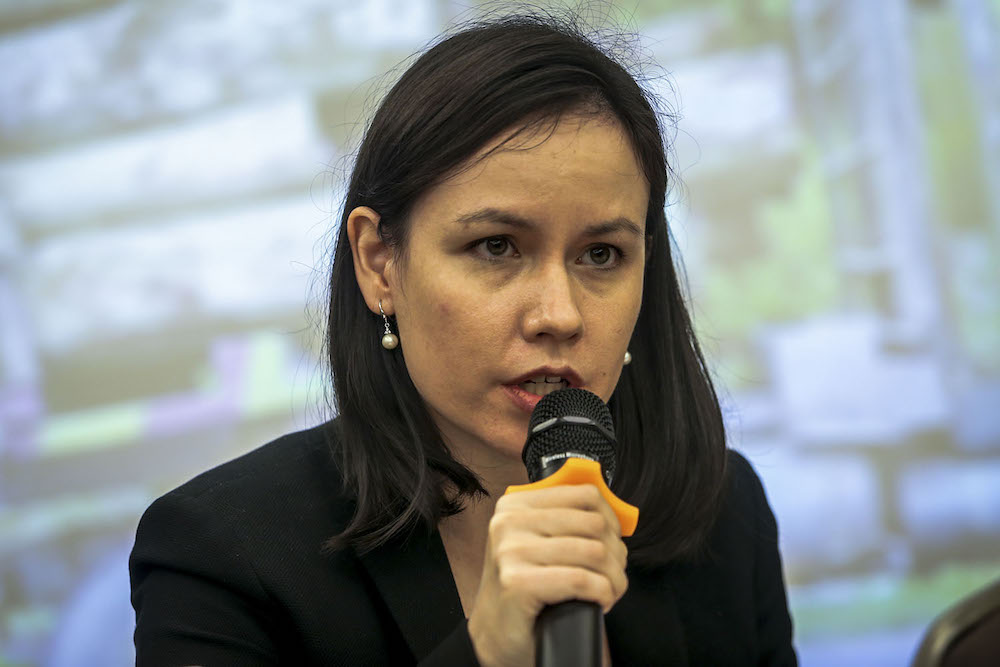
“It must also ratify key conventions to protect and promote indigenous peoples’ rights, including the International Covenant on Civil and Political Rights... Crucially, the government must also reverse its recent decision not to ratify the ICERD,” said AI activist Rachel Chhoa-Howard.
Orang Asli communities throughout the country are fighting tooth and nail to defend their ancestral land from development, almost always without any legal recourse.
Deforestation, typically for state-sanctioned mass logging or land clearing for agriculture, has left a trail of destruction that hurts the communities’ livelihood and culture, pushing the Orang Asli people into abject poverty.
The land clearing has destroyed wildlife, a crucial source of subsistence and income for a community that mostly relies on hunting and foraging to survive.
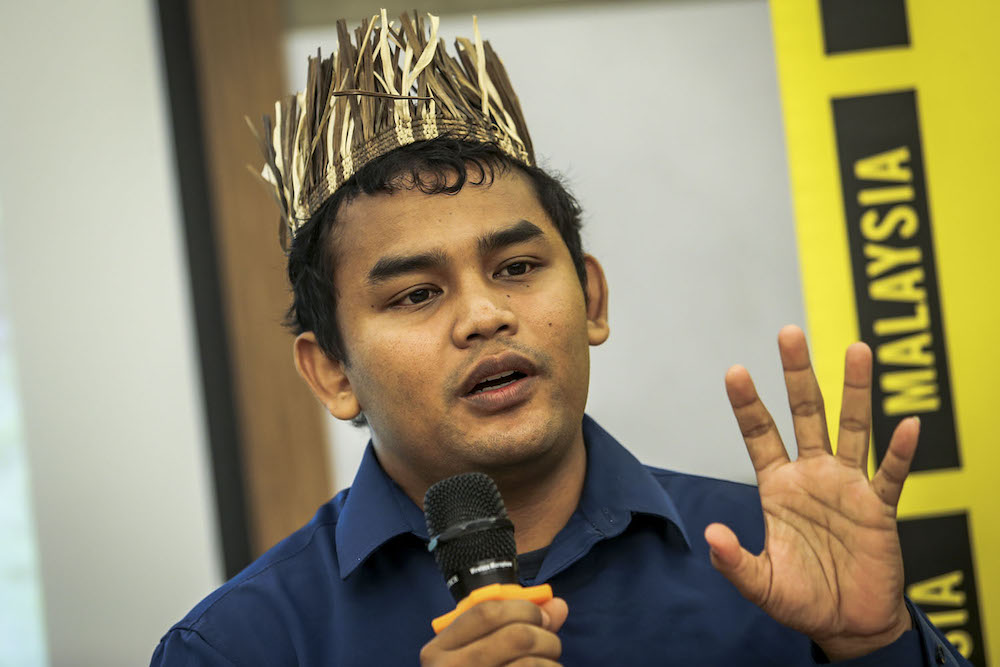
These activities are also integral to the Orang Asli identity, said Mustafa Along, a community activist who has fought to prevent loggers from entering land in Gua Musang, Kelantan.
“We used to be able to live on just RM300 with the resources available on our land,” he told the audience at the launch of AI’s report here.
“But because much of the land (and wildlife) is gone, life is harder for us now.”
The encroachment has forced indigenous people like the Temia, the community to which Mustafa belongs, to fight back, and AI noted that the battles have turned more aggressive in recent years.
In Gua Musang, for example, physical clashes were reported between members of the community and “gangsters” hired by loggers who wanted to dismantle the blockade erected to protect Temia land.
Several people, including activists and lawyers who fought on the side of the Temia, were arrested following the altercation.
The human rights group said the arrest proved the loggers had state backing, and AI said in its report that private companies often have the might of law and capital behind them thanks to their political connection.
“People described gangsters armed with swords or other weapons confronting, harassing and physically attacking community leaders and activists with impunity,” the organisation said.
“Other people that AI spoke to, told how police, government officials and agencies have threatened, arrested and investigated community members and human rights defenders across Malaysia.”
With a new administration in power, AI said it hoped for more space for reform and the inclusion of indigenous communities into policies.
But the jury is still out, said Chhoa-Howard. Following the decision not to rectify the ICERD, there may be cause for concern that pledges may be mere rhetoric.
“We don’t want all talk and no action,” she said.


