















KUANTAN, Sept 27 — Taking a multi-pronged approach against those engaged in the illegal wildlife trade will produce the best results, according to panellists at the ”Combating Obstacles in Wildlife Crime Prosecution” workshop.
They also urged wildlife trafficking be treated as a trans-boundary criminal activity as opposed to isolated crimes of opportunity, and public help sought in intelligence gathering.
Participants were shown images and videos on how poachers operated and the tools they employed, including firearms and deadly homemade snares.
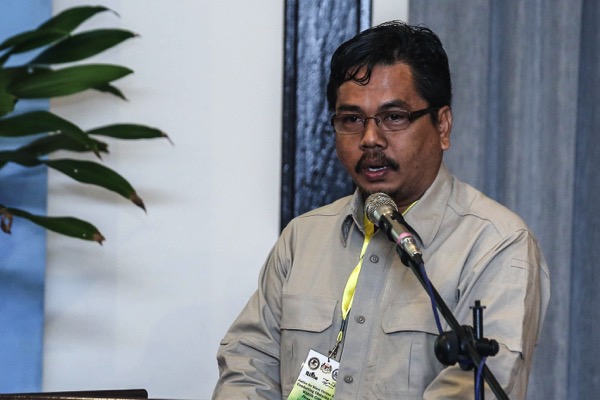
Department of Wildlife and National Parks (Perhilitan) deputy director Fakhrul Hatta Musa said among the greatest challenges faced by the department was lack of information.
“We welcome tip-offs in our intelligence gathering to complement our staff who are working to track down these syndicates,” he said.
“Whether it is something you see in a pet shop or an exotic animal for sale online, tell us. Do not keep quiet and hope someone else will do it.”
US Embassy legal adviser Karyn Kenny, who has an extensive background in prosecuting terrorism cases, said the full significance of the illegal wildlife trade was not appreciated.
“Non-state actors such as insurgents, terrorists and various armed groups rely on a variety of illegal fund-raising activities,” she said.
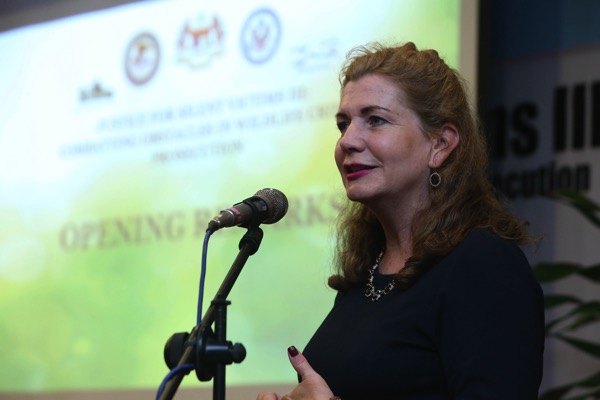
“Often the methods used by drug, arms and human traffickers are familiar to poachers who make use of the same support networks to launder funds and move contraband.”
Chief Judge of Malaya Tan Sri Ahmad Maarop said such workshops were valuable in drawing the judiciary, enforcement agencies and non-state actors together.
“The illegal wildlife trade is a threat to our natural treasures and the trend among the syndicates doing this is towards greater sophistication and is growing in scope,” he said.
“Everyone involved, whether legal experts, NGOs or enforcement officials, must understand each other’s role and how we can best cooperate.”