


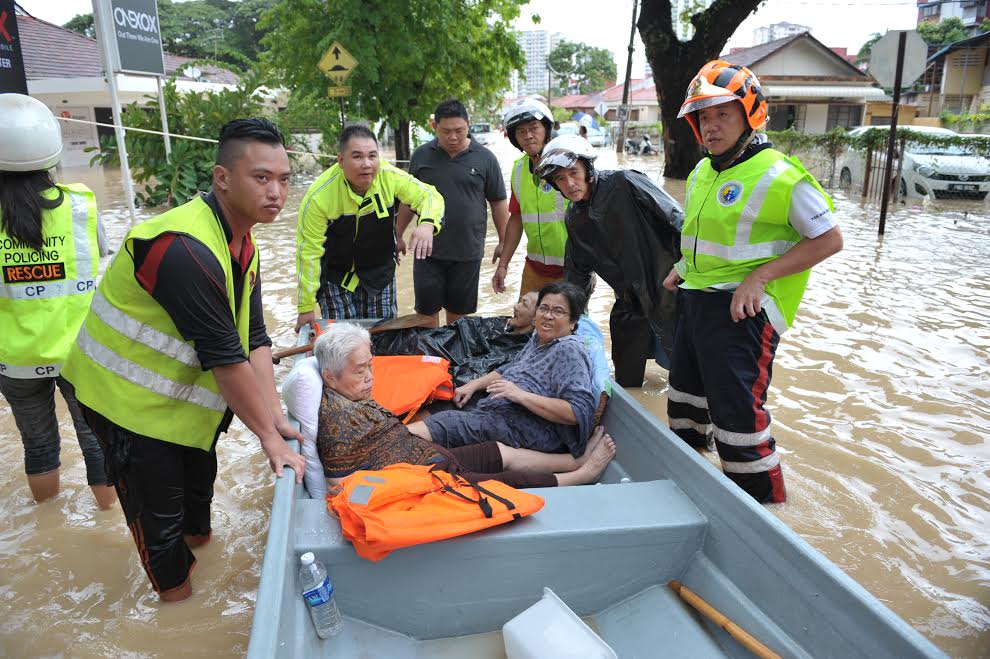
GEORGE TOWN, Sept 15 — The Penang government has identified 47 hotspots in the state to implement high impact flood mitigation projects to resolve flooding issues, state executive councillor Chow Kon Yeow said today.
The local government, traffic management and flood mitigation committee chairman said several factors including high rainfall, high tide and pollution had contributed to the massive floods that hit the state this morning.
"The existing rivers and drainage systems in existing residential areas and villages were not able to support the high amount of rainfall and there are a lot of utility infractructures that were built across rivers and main drainage systems that blocked the water flow," he said in a press conference together with Penang Chief Minister Lim Guan Eng at Komtar here.
He added that there are still a lot of domestic, industrial and agricultural wastes being dumped into rivers and monsoon drains, clogging up the systems and causing malfunctions in the drainage systems especially at pump stations.
Flood waters started rising after continuous rainfall since last night while high tide came in at 5am today.
All districts in the state, both on the island and the mainland, were hit with floods from 5am. The waters started to recede only after 10am.
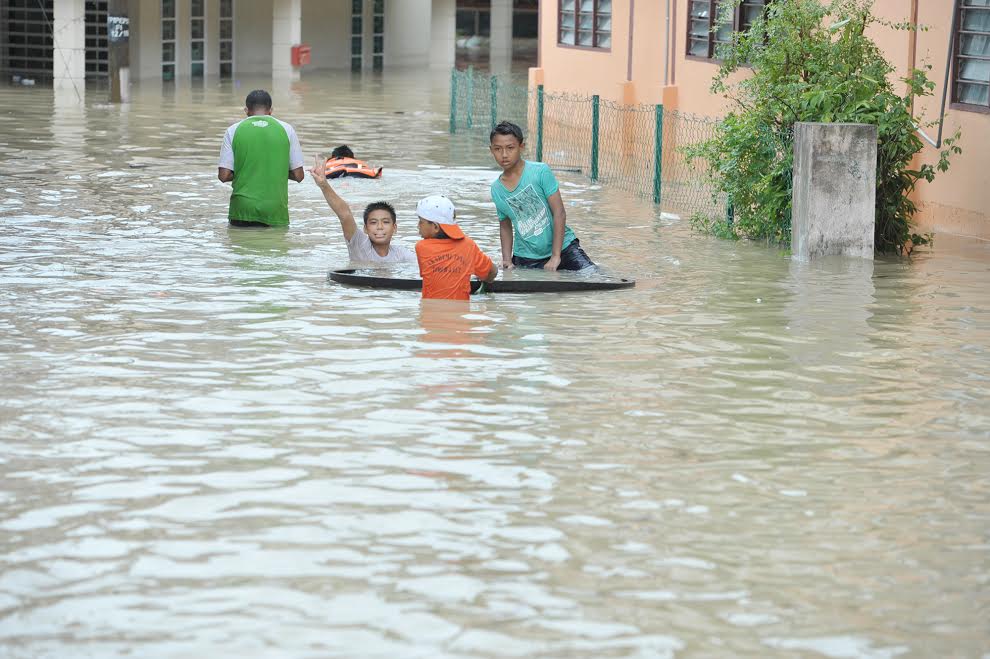
The Air Itam Dam station recorded a rainfall of 270mm, the highest ever in Penang’s history while the Teluk Bahang Dam recorded a rainfall of 180mm.
Chow said the rain is caused by the inter-monsoon which will see the northern states experiencing continuous rainfall.
He said the state government will continue to take steps to prevent floods.
The state government, through the Drainage and Irrigation Department and local authorities, will continue to implement flood mitigation projects at flood hotspot areas on the island with a total allocation of RM300 million.
"These projects are scheduled to start in the fourth quarter of this year and will take two to three years to complete while maintenance works will continue to ensure existing drainage systems are in good conditions," he said.
Chow said the state will also continue with environmental awareness campaigns to stop the public from dumping waste into the rivers and drains.
"We will identify parts of the river and drainage systems that have "bottlenecks" due to utility infrastructures that were not built in accordance with guidelines provided by the local authorities," he said.
He said utility companies involved will be ordered to remove these infrastructure at their own costs.


