


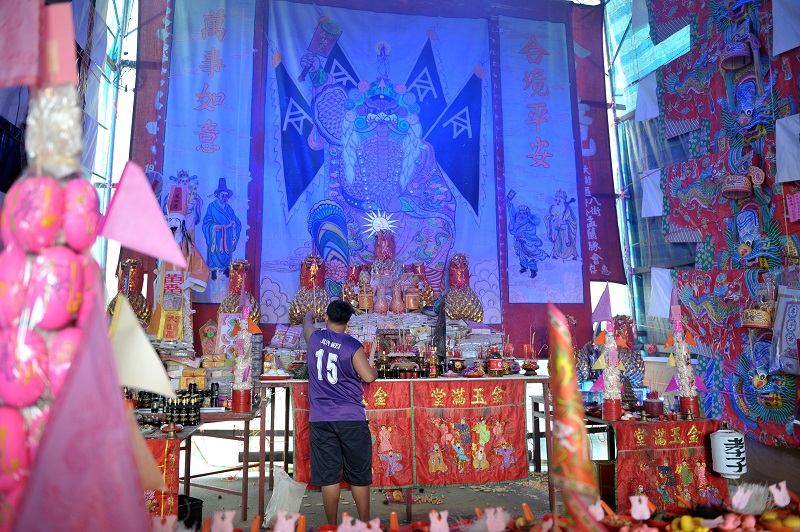
GEORGE TOWN, Sept 8 — Each year, during the seventh lunar month of the Chinese calendar, the gates to hell will open and ghosts will flood the human realm, according to Taoist and Buddhist beliefs.
To make sure these stray spirits do not harm humans, offerings are made and stage shows set up to provide entertainment for them.
Rituals relating to this month, called the Hungry Ghost Month, are something most Taoists and Buddhists in Penang have practised for over a century.

The Hungry Ghost festival is taken very seriously in Penang which is why there is an association specifically for the festival — the Penang Teong Guan Association.
“The Hungry Ghost Festival has been practised here since the arrival of our forefathers to Malaya more than 100 years ago, possibly even up to 200 years ago,” said association chairman Datuk Heng Yak Hoi.
It is for this very reason that Heng feels that the festival should be recognised as an important intangible heritage in Penang.
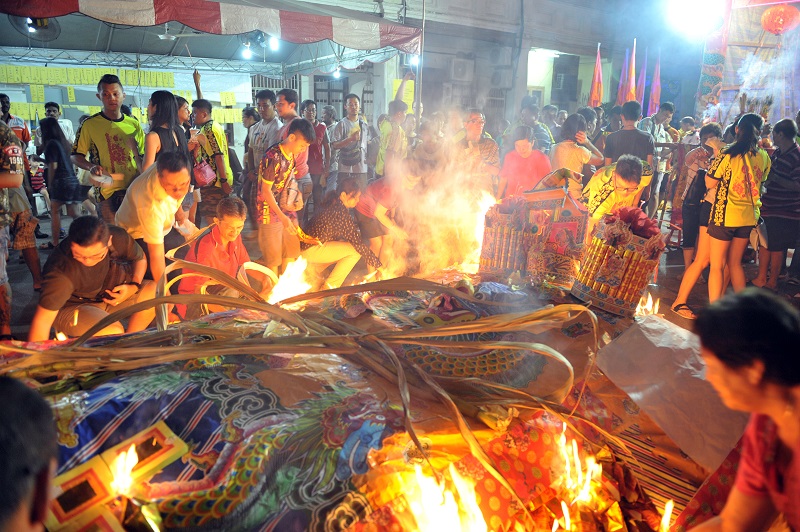
“Only in Penang that we can see altars set up and offerings being burnt at almost every street corner. We can say Penang’s Hungry Ghost Festival is the largest such festival in the whole country,” he added.
He said the association had proposed to the state government to apply for Unesco listing for the festival as an intangible heritage and culture.
“Most states are losing this culture due to modernity and youths ignoring such traditions and culture but in Penang, it is still being celebrated the way it was more than a hundred years ago,” he said.
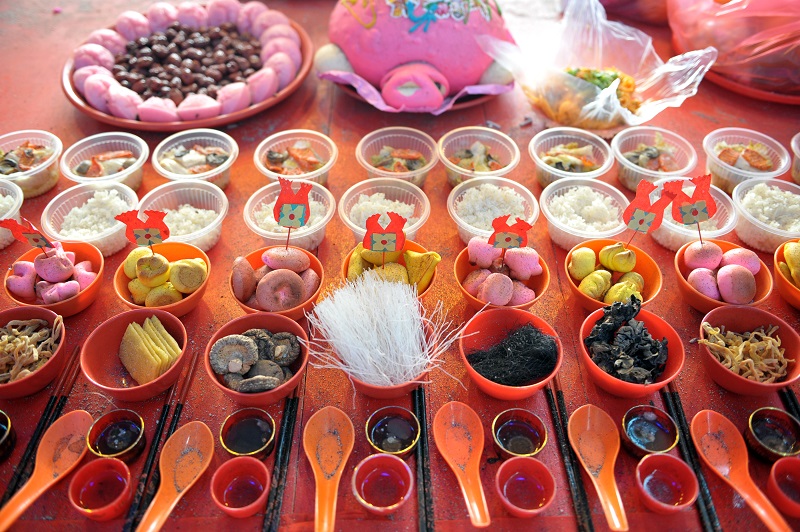
In fact, he believes it is becoming bigger and more elaborate as the years go by because in accordance to tradition, the items offered to the King of Hades, known as Tai Su Yeah, either has to remain the same or more than in previous years.
“Offerings and even the size of the King of Hades effigy must either be the same or bigger, we can’t reduce anything… that’s a no-no,” he said.
Right from the start of the seventh lunar month which falls on August 22 this year, believers will burn offerings by the roadside while altars and stages are set up at street corners and in residential areas all over the state, particularly in areas with predominantly ethnic Chinese residents and businesses.
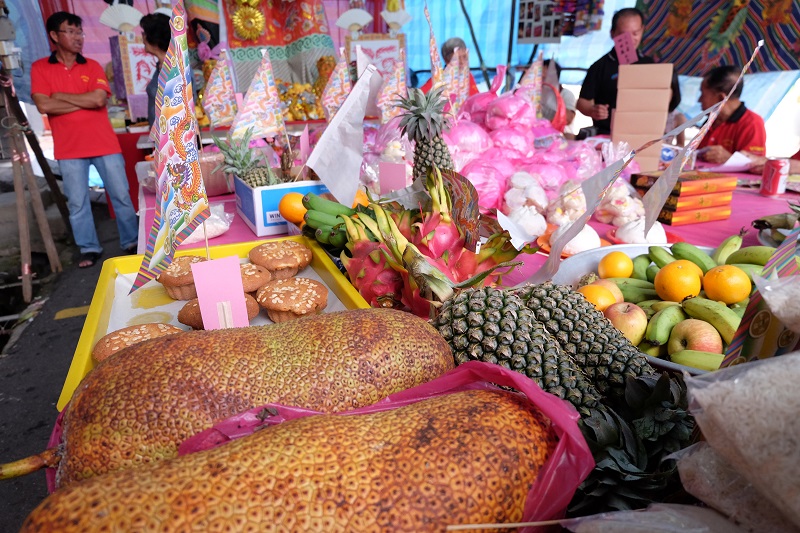
“This year, there are 280 altars and stages for the whole of the Hungry Ghost month but not all are set up at the same time, it will be set up in stages in accordance to tradition and the approval of the gods,” Heng said.
The Penang Teong Guan Association is an umbrella organisation that oversees the hundreds of Phor Thor committees in the state.
Phor Thor committees are made up of residents and traders that come together to organise Hungry Ghost Festivals in their respective areas or streets.
The Phor Thor committees set up altars for Tai Su Yeah and his two generals, Tua Pek and Zhi Pek while across from the altars are stages set up for performances as entertainment for the hungry ghosts.
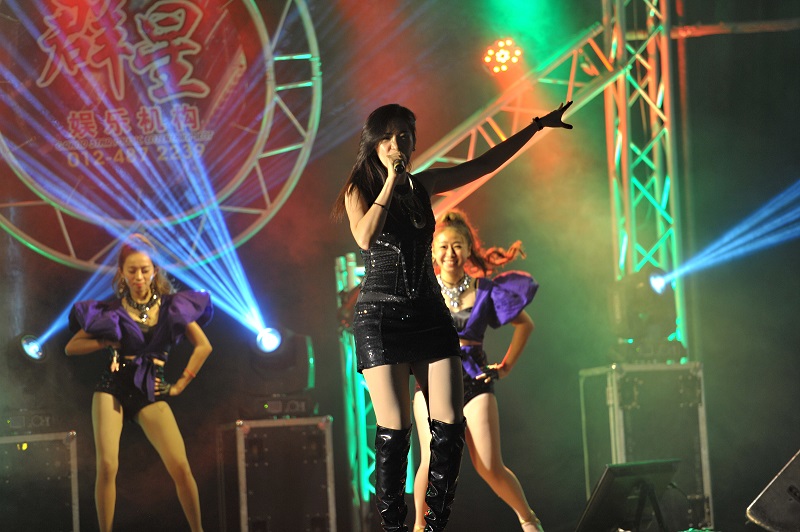
These altars and stages are usually set up for a period of between three to seven days for prayers and offerings to be made to Tai Su Yeah.
At the end of the prayers period, the respective committees will organise charity dinners in aid of Chinese vernacular schools.
“We have been raising tens of thousands of ringgit for schools since the association was established in 1973,” Heng said.
The Hungry Ghost Festival ends on the last day of the seventh lunar month which falls on September 20 this year.


