


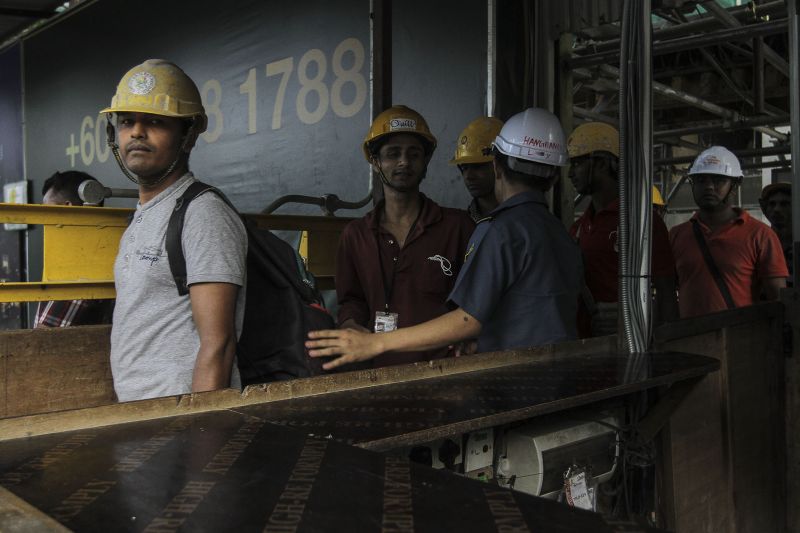
KUALA LUMPUR, Feb 18 — Claims by local NGOs that the intake of 1.5 million Bangladeshis into the country would open the floodgates to terrorism and rape could lead to sporadic violence against foreign workers here, a rights group cautioned.
Women’s Aid Organisation (WAO) executive director Sumitra V said the statement made by the president of Pertubuhan Rapat Malaysia (Rapat) was clearly “xenophobic”, adding that racism and xenophobia has no place in a multiracial society like Malaysia’s.
“It’s simply xenophobic and xenophobia has no place in a civil discourse,” Sumitra told Malay Mail Online.
“The issue that should have been raised is that there is a population of undocumented foreign workers here and that we should work towards getting them within the legal framework, which would then give them protection and rights.
“Such views can open them to xenophobic attacks, a trigger for (violent) action so we have to be really careful with what we say,” she added.
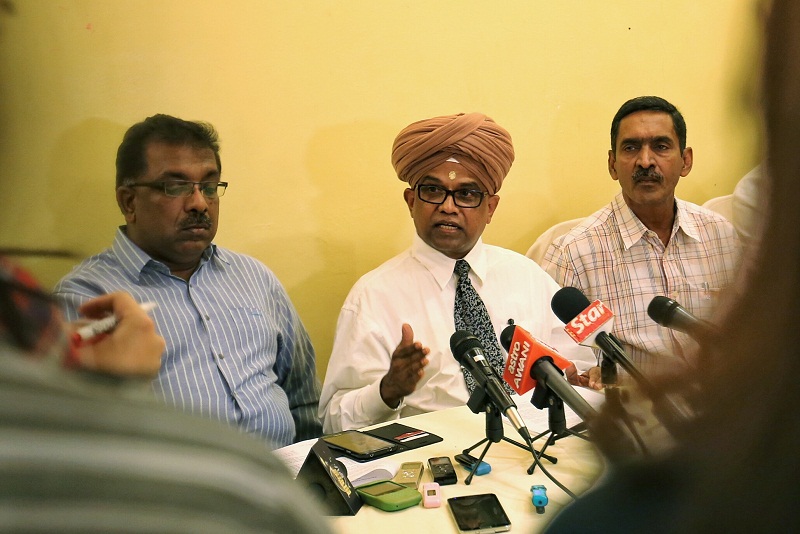
At a press conference yesterday, Pertubuhan Rapat Malaysia (Rapat) president A. Rajaretinam said the influx of migrant workers here was a major threat to national security and health, and that these foreigners could promote terror activities like the Islamic State (IS).
The coalition of non-government organisations also warned of dire socio-economic repercussions, including a spike in terror activities, rape cases and loss of business opportunities for locals.
Later, the same view was repeated by the Malay Consultative Council (MPM), another coalition that is said to represent over 50 Malay-Muslim NGOs.
At MPM’s press conference, the group’s secretary-general Datuk Dr Hasan Mad alleged that some foreign workers bring with them new diseases, which he warned could spread to locals during their term of employment in Malaysia.
Dismissing the allegations as absurd, Sumitra said that many Malaysians appear unaware that xenophobia has also contributed to growing violence against migrant women workers in Malaysia.
At the same time, Migrant Working Group (MWG) coordinator Jessica Low said that Rapat had failed to produce data to support its claim that the influx of foreign workers coincides with a spike in rape or any other crime here.
“Rapat has made a lot of allegations but not providing any supporting proof to back it up. Ex-deputy home affairs minister had on July 9, 2013 said in Parliament that only 1 per cent of crimes are committed by foreigners while 99 per cent by Malaysians.
“If he has proof that things have changed drastically, he should share it so we are all enlightened,” Low told a brief interview with Malay Mail Online.
The MWG coordinator also noted that potential foreign workers are mandated to go through a health screening process.
“If his claims are true, then he should advocate for the relevant government agencies to improve on this process and not simply accuse them of spreading diseases,” she said.
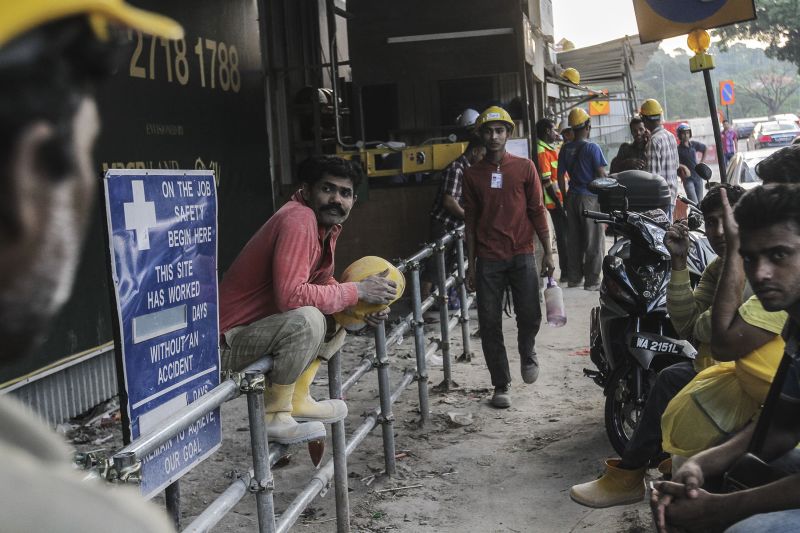
Low said locals have the right to oppose the government’s plan to bring in the 1.5 million Bangladeshi workers but should refrain from demeaning and dehumanising anyone in the process.
“That is just wrong,” she said.
Putrajaya’s planned intake of 1.5 million Bangladeshis has met stiff opposition from both workers groups and industry players here.
Despite the protest, the government has insisted that the move was necessary to fill a void in industries seen as dirty, dangerous and difficult, namely in the plantation, manufacturing, construction, and cleaning service sectors.
Businesses, manufacturers and developers have also called on the government to utilise the undocumented migrant workforce by extending their visas instead of bringing in more workers.
Low echoed the view, saying a working permit extension policy could easily meet market demand for labourers.
“People may be confused as we already have 2.1 million documented workers currently and the government recently announced that employers can now register undocumented workers directly with the home ministry online.
“So why the need for additional 1.5 million workers?” asked Low.
*A previous version of this story wrongly named Sumitra V as executive director of the Migrant Working Group (MWG), which has since been corrected.


