


KUALA LUMPUR, Oct 22 ― The earnings of the poorest 40 per cent in Malaysia increased at a quicker pace than the wealthiest 20 per cent over the past five years, a minister said today.
Minister in the Prime Minister’s Department Datuk Seri Abdul Wahid Omar, who is in charge of the Economic Planning Unit, said the income level of the bottom 40 per cent increased by 12.7 per cent from 2009 to 2014 during Prime Minister Datuk Seri Najib Razak’s administration.
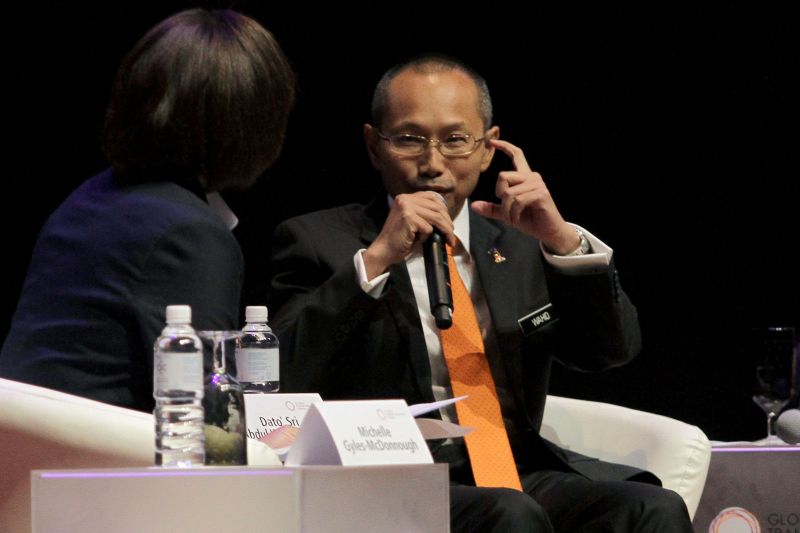
“Between 2009 and 2014, we’ve seen the growth of income of the bottom 40 per cent households increase faster than the top 20 per cent,” Wahid said at the Global Transformation Forum here organised by the BFR Institute, a subsidiary of government agency Pemandu.
The minister attributed the income growth of the poorest 40 per cent to a minimum wage policy, education and vocational and skills training, as well as a cash aid policy.
“As we move forward towards 2020, we’ve set an even more stretched target to double the income of the bottom 40 per cent,” he added.
The Najib administration has been giving annual cash handouts of several hundred ringgit under the Bantuan Rakyat 1 Malaysia (BR1M) initiative to households earning less than RM4,000 monthly.
Critics like former prime minister Tun Dr Mahathir Mohamad have criticised the initiative, however, saying the government should focus on improving productivity to turn Malaysia into a developed nation instead of giving direct cash assistance.
Wahid also said today that the diversity of Malaysia’s economic structure and exports has helped the country withstand a global drop in commodity prices and oil.
“Only 18 per cent of the GDP is contributed by the commodities sector, mining and agriculture. That was the time when 40 per cent of our revenue came from oil and gas.
“We felt that wasn’t sustainable, so we brought it down to 30 per cent last year, and this year, it will be down even more,” he said.


